As How to Soundproof Your Bedroom on a Budget takes center stage, this opening passage beckons readers into a world crafted with good knowledge, ensuring a reading experience that is both absorbing and distinctly original. Discover the foundational principles of sound reduction tailored for your personal sanctuary, understanding the distinct types of noise like airborne and impact sounds that can be effectively mitigated.
We will pinpoint common bedroom noise sources that can be tackled with accessible, cost-effective methods, setting the stage for a more peaceful environment.
This comprehensive guide delves into practical strategies and readily available materials to enhance your bedroom’s acoustic comfort without straining your finances. You will learn about the science behind soundproofing, exploring how to block or absorb unwanted noise, and identify specific areas within your bedroom that are most prone to sound leakage. Our aim is to equip you with the knowledge and techniques to create a serene personal space, proving that tranquility is achievable even on a modest budget.
Understanding the Basics of Bedroom Soundproofing

Soundproofing a bedroom on a budget is about strategically reducing the amount of sound that enters or leaves the space. This is achieved by understanding how sound travels and implementing cost-effective methods to block or absorb it. The goal is to create a more peaceful and private environment without significant financial investment.The fundamental principles of sound reduction involve increasing mass, sealing gaps, and adding absorptive materials.
Mass helps to block sound waves, preventing them from vibrating through surfaces. Sealing air gaps is crucial because sound travels very effectively through even small openings. Absorptive materials, on the other hand, help to dampen sound waves, reducing echoes and reverberation within the room.
Types of Sound Mitigation
Sound can be broadly categorized into two main types that are relevant to bedroom soundproofing: airborne sound and impact sound. Understanding these distinctions is key to choosing the most effective budget-friendly solutions.Airborne sound is what we typically think of as noise – voices, music, traffic, or the hum of appliances. It travels through the air and can penetrate walls, windows, and doors.
Budget-friendly methods focus on blocking these airborne sound waves.Impact sound, also known as structure-borne sound, is generated by physical contact. Examples include footsteps from an upstairs apartment, a door slamming, or objects being dropped. This type of sound travels through the building’s structure. While complete elimination of impact sound can be challenging on a budget, certain measures can significantly reduce its transmission.
Common Bedroom Noise Sources and Budget Solutions
Many everyday noises can disrupt the tranquility of a bedroom. Fortunately, several common sources can be effectively addressed with affordable soundproofing techniques.The primary sources of noise that can be mitigated with budget-friendly methods include:
- External Noise: Traffic, neighborhood sounds, and even distant sirens.
- Internal Noise: Noises from other rooms in the house (e.g., living room TV, kitchen appliances), hallway conversations, or plumbing.
- Noises from Above/Below: Footsteps, moving furniture, or loud activities from adjacent apartments or floors.
To address these, consider the following:
Addressing Airborne Noise
Airborne noise is often the most noticeable and disruptive. Fortunately, several accessible methods can significantly reduce its intrusion into your bedroom.The most effective budget strategies for airborne noise involve increasing the mass of your surfaces and sealing air leaks.
- Mass Addition: While professional soundproofing involves adding dense materials like mass-loaded vinyl or multiple layers of drywall, budget-friendly alternatives can still make a difference. This can include hanging heavy curtains, using thick rugs or carpets, and even strategically placing furniture like bookshelves filled with books against shared walls. The idea is to add layers that sound waves have to work harder to penetrate.
- Sealing Gaps: Air gaps are sound’s best friend. Small cracks around doors, windows, and electrical outlets can allow a surprising amount of noise to enter.
- Doors: Use weatherstripping around door frames and install a door sweep at the bottom. These are inexpensive and easy to apply.
- Windows: Seal any visible gaps around window frames with caulk. Heavy, thick curtains can also act as a barrier.
- Electrical Outlets and Light Switches: Use acoustic putty or foam gaskets behind the cover plates of outlets and switches on shared walls.
Addressing Impact Noise
Impact noise can be particularly challenging to manage on a tight budget, as it travels through the building’s structure. However, some measures can help to absorb and dampen these vibrations.Focusing on adding soft, absorptive layers to your floors and ceilings is the most practical approach for impact noise reduction.
- Flooring: A thick rug or carpet with a dense underpad is one of the most effective ways to reduce impact noise from footsteps. Even if you have hard flooring, adding a substantial rug can make a noticeable difference.
- Ceiling (if applicable): If noise is coming from above, and you own the property or have permission to make alterations, hanging thick blankets or acoustic panels on the ceiling can help absorb some of the sound. For renters, this might be less feasible, but focusing on floor treatments remains key.
The Role of Acoustic Absorption
While soundproofing is primarily about blocking sound, acoustic absorption plays a crucial role in improving the sound quality within your bedroom and reducing echoes, which can make noise seem louder and more intrusive.Acoustic absorption involves using materials that soak up sound waves rather than reflecting them. This creates a quieter, more comfortable atmosphere.
- Soft Furnishings: Upholstered furniture, thick curtains, tapestries, and even a collection of pillows can all contribute to absorbing sound. The more soft surfaces you have, the less sound will bounce around the room.
- Bookshelves: As mentioned earlier, bookshelves filled with books are not only good for adding mass but also for breaking up sound waves and absorbing some of the energy. The irregular surfaces of books create diffusion, which can help scatter sound.
- DIY Acoustic Panels: For a more targeted approach, you can create budget-friendly acoustic panels using inexpensive materials like dense foam or fiberglass insulation wrapped in fabric and mounted on the walls. These can be strategically placed in areas where sound seems to echo the most.
Budget-Friendly Soundproofing Materials and Techniques
Achieving a quieter bedroom environment doesn’t necessitate a hefty investment. This section explores cost-effective materials and practical DIY techniques to significantly reduce unwanted noise, transforming your sanctuary into a peaceful retreat without breaking the bank.
The principles of soundproofing, even on a budget, revolve around blocking, absorbing, and dampening sound. By strategically applying readily available and affordable materials, you can create a more serene atmosphere.
Cost-Effective Sound Dampening Materials
Several common and inexpensive materials can effectively absorb and block sound waves. These are often readily available at hardware stores or even around your home.
- Mass-Loaded Vinyl (MLV): While not the cheapest option, MLV is a dense, flexible vinyl sheet that adds significant mass to walls, floors, and ceilings, effectively blocking sound transmission. Even a thin layer can make a noticeable difference.
- Acoustic Foam Panels: These specially designed foam panels are excellent at absorbing sound within a room, reducing echo and reverberation. They are relatively inexpensive and come in various shapes and sizes.
- Thick Blankets and Moving Pads: Heavy, dense blankets or moving pads can be hung on walls or draped over doors and windows to absorb sound. Their effectiveness is proportional to their thickness and density.
- Egg Cartons: While often cited, the soundproofing capabilities of egg cartons are largely a myth. Their thin cardboard structure offers minimal sound absorption or blocking.
- Cardboard: Similar to egg cartons, standard cardboard offers very limited soundproofing benefits due to its lack of density and absorption properties.
- Weatherstripping and Door Sweeps: These inexpensive seals are crucial for preventing sound leaks around doors and windows, which are common entry points for noise.
- Caulk: A simple tube of acoustic caulk or even regular latex caulk can seal small gaps and cracks in walls and around fixtures, preventing sound from escaping or entering.
- Thick Rugs and Underlayment: Carpeting a room, especially with a thick rug and a dense underlay, significantly dampens impact noise from footsteps and reduces airborne sound within the room.
DIY Sound Insulation Methods
Implementing sound insulation doesn’t require professional installation. Many effective DIY methods can be employed using readily available materials and basic tools.
Improving the sound insulation of your walls, ceiling, and floor can be achieved through several accessible techniques. These methods focus on adding mass, density, and decoupling to minimize sound transmission.
Wall Sound Insulation Techniques
Walls are often the primary pathways for noise. Here are budget-friendly ways to enhance their soundproofing:
- Adding Mass: Hang heavy, dense materials like thick blankets, tapestries, or even strategically placed bookshelves filled with books directly against the walls. The added mass will absorb and block sound.
- Sealing Gaps: Use acoustic caulk or even standard latex caulk to seal any visible cracks, gaps, or holes in the walls, especially around electrical outlets, light fixtures, and window frames. These small openings can significantly compromise soundproofing.
- Temporary Wall Hangings: For a less permanent solution, consider hanging heavy, sound-absorbing curtains or moving blankets on the walls. Ensure they cover a significant portion of the wall surface.
- Double Layering (if applicable): If you have a hollow-core door, consider attaching a layer of MLV or a thick piece of MDF (medium-density fiberboard) to the inside of the door to add mass.
Ceiling Sound Insulation Techniques
Noise from above can be particularly intrusive. While full ceiling soundproofing can be complex, these methods offer improvement:
- Acoustic Ceiling Tiles: While professional acoustic tiles can be costly, some DIY-friendly, budget-oriented options are available that can be adhered to an existing ceiling. These primarily absorb sound within the room.
- Thick Rugs on Upper Floors: If noise is coming from a floor above, the most effective budget solution is to encourage occupants of that floor to use thick rugs and underlayment to dampen impact noise.
- Hanging Absorbers: Large, thick fabric hangings or even strategically placed acoustic panels suspended from the ceiling can help absorb sound waves that would otherwise reverberate.
Floor Sound Insulation Techniques
Reducing noise transmission from your floor, or to the space below, is achievable with these methods:
- Thick Carpeting and Underlayment: This is one of the most effective and budget-friendly ways to soundproof a floor. Install a thick carpet with a dense rubber or felt underlay. The underlay is crucial for absorbing impact noise.
- Area Rugs: Even if you have hard flooring, placing thick area rugs with a good quality rug pad underneath can significantly reduce impact noise and absorb some airborne sound.
- DIY Soundproofing Mats: Create your own soundproofing mats by layering dense materials like old blankets or carpet scraps and encasing them in a durable fabric. These can be placed under furniture or in high-traffic areas.
Effectiveness of Common Household Items for Temporary Soundproofing
Certain common household items can offer a degree of temporary sound reduction, particularly for absorbing sound within the room rather than blocking it completely. Their effectiveness is generally limited but can be helpful in a pinch.
- Heavy Curtains: Thick, heavy curtains, especially those made of velvet or blackout material, can absorb some sound and reduce echo within a room. Hanging them across windows or even on walls can offer a slight improvement.
- Upholstered Furniture: Sofas, armchairs, and other upholstered furniture are excellent at absorbing sound. The more soft furnishings you have in a room, the less sound will reverberate.
- Bookshelves Filled with Books: A large, dense bookshelf filled with books can act as a sound barrier. The irregular surfaces of the books and the sheer mass of the shelf help to scatter and absorb sound waves.
- Pillows and Blankets: While not a primary soundproofing solution, strategically placed pillows and blankets can absorb sound and reduce echo, especially in corners or against walls.
- Duvets and Comforters: Similar to thick blankets, duvets and comforters can be hung on walls or draped over surfaces to provide a temporary layer of sound absorption.
Comparison of Budget-Friendly Soundproofing Materials
To help you make informed decisions, here is a comparison of various budget-friendly materials and their general effectiveness in sound blocking and absorption. It’s important to note that “blocking” refers to preventing sound from passing through a barrier, while “absorption” refers to reducing sound reflections within a space.
| Material | Primary Function | Estimated Cost (per sq ft) | Sound Blocking Effectiveness | Sound Absorption Effectiveness | Notes |
|---|---|---|---|---|---|
| Mass-Loaded Vinyl (MLV) | Blocking | $2 – $5 | High | Low | Adds significant mass; best for walls and floors. |
| Acoustic Foam Panels | Absorption | $1 – $3 | Low | High | Reduces echo and reverberation; best for walls and ceilings. |
| Thick Blankets/Moving Pads | Absorption/Moderate Blocking | $0.50 – $2 | Moderate | Moderate to High | Density is key; can be hung or draped. |
| Thick Rugs with Dense Underlayment | Absorption/Blocking (Impact Noise) | $1 – $4 | Moderate (Impact) | High | Excellent for floors; underlayment is critical. |
| Weatherstripping/Door Sweeps | Blocking (Air Gaps) | $0.10 – $0.50 | Low (Directly) | Low | Crucial for sealing gaps around doors/windows. |
| Acoustic Caulk | Blocking (Small Gaps) | $0.05 – $0.20 per linear foot | Low (Directly) | Low | Essential for sealing minor cracks and holes. |
| Egg Cartons | Absorption (Minimal) | Very Low | Very Low | Very Low | Largely ineffective for significant soundproofing. |
| Standard Cardboard | Absorption (Minimal) | Very Low | Very Low | Very Low | Offers negligible soundproofing benefits. |
Addressing Sound Leaks: Doors and Windows
Even with the best sound-absorbing materials on your walls, sound can easily find its way into your bedroom through gaps and cracks around your doors and windows. These are often the weakest points in a room’s soundproofing. Fortunately, addressing these leaks is usually one of the most effective and budget-friendly ways to significantly improve your bedroom’s acoustics.Doors and windows, by their very nature, are designed to open and close, creating inevitable pathways for sound.
Air, and therefore sound, will travel through any opening, no matter how small. Understanding where these leaks commonly occur and how to seal them is crucial for effective soundproofing.
Common Sound Leak Points Around Bedroom Doors and Windows
Sound leaks around doors and windows typically occur at the perimeters where they meet the wall, and also through the door itself or the window panes. Identifying these specific areas is the first step to sealing them effectively.
- Door Gaps: The most common leak points are the gaps between the door and the door frame, especially at the bottom. Sound can also escape through the sides and top of the door frame if it’s not perfectly sealed against the wall.
- Window Frame Gaps: Similar to doors, windows can have gaps between the window frame and the wall. Old or poorly fitted windows are particularly prone to this.
- Glass Panes: While the glass itself can transmit sound, leaks around the edges of the glass within the frame are more significant for budget soundproofing.
- Hardware: Gaps around door knobs, locks, and hinges can also allow sound to pass through.
Practical, Low-Cost Solutions for Sealing Door Gaps
Sealing the gaps around your bedroom door is a straightforward process that can make a noticeable difference. The goal is to create an airtight seal without compromising the door’s functionality.
- Door Sweeps: For the gap at the bottom of the door, a door sweep is an excellent and inexpensive solution. These can be adhesive-backed or screwed on and attach to the bottom edge of the door. They effectively block sound from passing underneath.
- Door Frame Seals: Adhesive-backed foam or rubber weatherstripping can be applied to the door frame where the door meets it when closed. This creates a cushion and seals any small gaps.
- Acoustic Sealant: For larger or irregular gaps between the door frame and the wall, acoustic sealant (a flexible caulk specifically designed for soundproofing) is highly effective.
- Draft Stopper: A fabric draft stopper filled with sand or other dense material can be placed at the bottom of the door as a temporary or supplementary solution.
Methods for Improving Existing Window Sound Insulation
Replacing windows with soundproof alternatives can be expensive. Fortunately, there are several budget-friendly methods to enhance the sound insulation of your existing windows.
- Heavy Curtains: Thick, heavy curtains made of dense materials like velvet or blackout fabric can absorb and block a significant amount of sound. Ensure they extend beyond the window frame and reach the floor for maximum effectiveness.
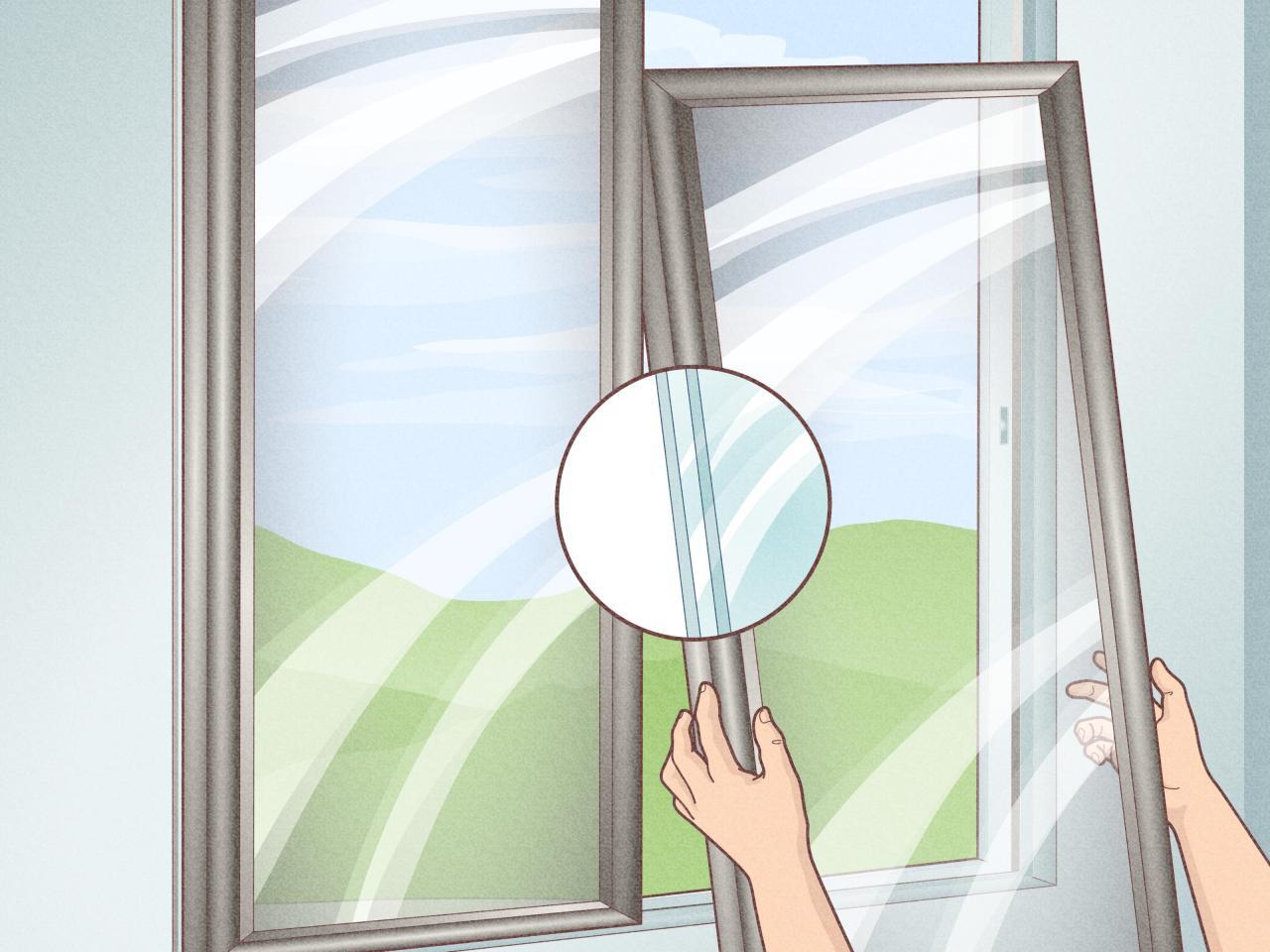
- Window Inserts: These are custom-made panels, often made of acrylic or glass, that fit inside your existing window frame, creating an additional layer of insulation. While not as cheap as curtains, they are significantly less expensive than full window replacement.
- Seal Window Frame Gaps: Similar to door frames, use weatherstripping or acoustic sealant to fill any gaps between the window frame and the wall.
- Apply Window Film: While primarily for privacy or UV protection, some thicker window films can offer a marginal improvement in sound dampening by adding a small layer to the glass.
Step-by-Step Guide for Applying Weatherstripping and Acoustic Sealant to Door Frames
This guide will walk you through the process of sealing your door frame to minimize sound leaks.
Applying Weatherstripping:
- Clean the Surface: Thoroughly clean the door frame where the weatherstripping will be applied. Ensure it is free of dust, dirt, and old adhesive.
- Measure and Cut: Measure the length of each side of the door frame that will come into contact with the door. Cut the weatherstripping to the appropriate lengths.
- Apply the Weatherstripping: Peel off the backing of the adhesive weatherstripping and carefully apply it to the door frame, pressing firmly to ensure good adhesion. Start at one corner and work your way around. Ensure the weatherstripping is positioned so it compresses slightly when the door is closed.
- Test the Seal: Close the door and check for an even compression of the weatherstripping. If there are any areas that feel too tight or too loose, adjust as needed.
Applying Acoustic Sealant:
- Prepare the Area: Identify any larger gaps or cracks around the door frame where it meets the wall. Clean these areas thoroughly.
- Cut the Sealant Nozzle: Cut the tip of the acoustic sealant tube at a 45-degree angle to create a bead of the desired width.
- Apply the Sealant: Insert the sealant tube into a caulk gun. Apply a continuous bead of sealant into the gaps, ensuring it fills the entire space. Work in manageable sections.
- Smooth the Sealant: Use a damp cloth, a putty knife, or your finger (dipped in water) to smooth the sealant, creating a neat and even finish. This also helps ensure good contact with both surfaces.
- Allow to Cure: Let the acoustic sealant dry and cure according to the manufacturer’s instructions. This is crucial for its effectiveness and flexibility.
Improving Wall and Ceiling Sound Insulation on a Shoestring
Effectively soundproofing your bedroom often involves addressing the walls and ceiling, as these are significant pathways for sound transmission. Fortunately, achieving better insulation in these areas doesn’t require a substantial financial outlay. By employing clever techniques and utilizing affordable materials, you can significantly reduce the amount of noise entering or leaving your sanctuary. This section will explore practical, budget-friendly methods to enhance your bedroom’s acoustic performance.
Adding Mass and Density to Walls
Increasing the mass and density of your walls is a fundamental principle in soundproofing. Denser materials are harder for sound waves to vibrate, thus impeding their transmission. While professional soundproofing materials can be expensive, several common and affordable items can effectively add this much-needed mass.
- Drywall Installation: Adding an extra layer of drywall is a highly effective method. Standard 5/8-inch thick drywall is denser than typical interior walls. For even better results, consider using a “green glue” or similar viscoelastic damping compound between the two layers of drywall. This compound dissipates vibrational energy, significantly reducing sound transfer.
- Mass Loaded Vinyl (MLV): This is a thin, dense, flexible vinyl sheet specifically designed for soundproofing. While it has a cost, its thin profile means it can be added without significantly reducing room space. MLV can be attached directly to existing walls or between studs before new drywall is applied.
- Plywood or OSB: While not as dense as MLV, adding a layer of plywood or oriented strand board (OSB) over existing drywall can contribute to mass. This is particularly useful if you plan to cover the walls with other decorative elements afterwards.
Decoupling Surfaces for Reduced Sound Transmission
Decoupling refers to creating a physical separation between two structures, preventing vibrations from traveling directly from one to the other. This is a highly effective, albeit sometimes more involved, method for soundproofing walls and ceilings.
- Resilient Channels: These metal strips are attached to the studs of a wall or ceiling joists. Drywall is then screwed into the resilient channels, creating a flexible connection that absorbs vibrations. This creates an air gap and a less rigid connection, significantly reducing sound transmission.
- Sound Isolation Clips: Similar in principle to resilient channels, these clips are often used in conjunction with furring channels. They offer a robust decoupling solution for both walls and ceilings, providing a significant improvement in sound isolation.
- Staggered Stud Walls: Instead of attaching drywall to opposite sides of the same studs, a staggered stud wall uses a wider frame where studs alternate, attaching drywall to different sets of studs. This creates a more substantial air gap and prevents direct vibration transfer.
Utilizing Heavy Fabrics and Textiles for Sound Absorption
While mass is crucial for blocking sound, absorption is key to reducing echoes and reverberation within the room. Heavy fabrics and textiles can act as excellent sound absorbers, especially for mid to high-frequency sounds.
- Thick Curtains: Opt for heavy, blackout curtains, velvet drapes, or even moving blankets. Hang them generously, ensuring they cover the entire window area and extend beyond the frame. Layering curtains can further enhance their sound-absorbing capabilities.
- Wall Hangings and Tapestries: Large, thick tapestries, rugs hung on the wall, or even quilted wall hangings can significantly absorb sound. The more surface area covered with soft, dense fabric, the more sound will be absorbed.
- Upholstered Furniture: While not strictly a wall or ceiling treatment, having upholstered furniture like sofas, armchairs, or ottomans contributes to sound absorption within the room.
Applying Acoustic Foam Panels or DIY Alternatives
Acoustic foam panels are designed to absorb sound and reduce echo. While professional acoustic foam can be an investment, there are budget-friendly options and DIY alternatives that can offer similar benefits.
- Acoustic Foam Tiles: These are typically wedge or pyramid-shaped foam tiles that can be adhered to walls and ceilings. They are most effective at absorbing mid to high-frequency sounds. When purchasing, look for panels with a good NRC (Noise Reduction Coefficient) rating.
- DIY Egg Carton Panels: While their effectiveness is debated and generally less than professional foam, strategically placed and densely packed egg cartons can offer some minor sound absorption. The irregular surface can help diffuse sound waves. For better results, consider covering them with a layer of fabric.
- DIY Fabric-Covered Panels: Create simple panels by stretching thick fabric (like burlap or dense cotton) over a wooden frame filled with an absorbent material such as mineral wool or fiberglass insulation (handle with appropriate safety precautions). These DIY panels can be custom-sized and positioned where needed.
- Placement Strategy: For both commercial acoustic foam and DIY panels, strategic placement is key. Focus on areas where sound tends to reflect, such as opposite hard surfaces, near your bed, or in corners. Avoid covering entire walls, as this can lead to over-absorption and a deadened sound.
Mitigating Floor Noise and Vibrations
Floors, whether you’re above or below another living space, can be a significant source of unwanted noise and vibrations. Impact noise, such as footsteps or dropped objects, travels easily through solid structures. Fortunately, there are several cost-effective strategies to dampen these disturbances and create a more peaceful bedroom environment.Addressing floor noise requires a multi-pronged approach, focusing on absorbing sound and isolating the floor from its surroundings.
The goal is to interrupt the path that sound waves take, preventing them from entering your bedroom or reducing their intensity.
Reducing Impact Noise from Adjacent Floors
Impact noise is particularly challenging because it’s generated by direct physical contact. This type of noise is best managed by introducing materials that absorb the energy of these impacts before they can travel through the floor structure.
- Thick Rugs and Carpets: The simplest and often most effective budget solution is to cover your floor with thick rugs or wall-to-wall carpeting. These soft materials absorb a significant amount of impact sound. The denser and thicker the material, the better its sound-dampening capabilities.
- Underlayments: Beneath rugs or carpets, a good quality underlayment can dramatically improve sound absorption. These are typically made of foam, felt, or rubber.
- Foam Underlayments: Lightweight and affordable, foam underlayments offer a good level of cushioning and some sound absorption.
- Felt Underlayments: Denser than foam, felt provides better impact sound reduction and is quite durable.
- Rubber Underlayments: Often made from recycled tires, rubber underlayments are excellent for absorbing impact noise and vibrations due to their density and resilience. They are a top choice for serious sound dampening.
Adding Sound-Absorbing Layers Without Replacing Flooring
If you have existing hard flooring like laminate, tile, or hardwood, you don’t necessarily need to rip it up to improve soundproofing. Layering is key to adding sound absorption without major renovations.
- Area Rugs with Thick Padding: Even if you have a beautiful hardwood floor, placing large area rugs over them, especially with a thick rug pad underneath, can significantly reduce noise. The rug pad acts as a crucial sound-absorbing layer.
- Layering Rugs: For an extra boost, consider layering a smaller, softer rug on top of a larger, denser rug. This creates multiple sound-absorbing surfaces.
Using Rugs, Carpets, and Underlayments for Sound Dampening
The effectiveness of rugs, carpets, and underlayments in sound dampening relies on their ability to absorb sound energy and decouple surfaces. Soft, porous materials are ideal for this purpose.
“The principle of soundproofing is to interrupt the path of sound waves. For impact noise, this means absorbing the initial vibration energy.”
Comparing Soundproofing Benefits of Different Budget-Friendly Floor Coverings
When selecting floor coverings with soundproofing in mind, consider their density, thickness, and the presence of an underlayment.
| Floor Covering | Sound Dampening Effectiveness (Budget) | Notes |
|---|---|---|
| Thin Area Rug | Low | Minimal impact, primarily decorative. |
| Thick Area Rug | Moderate | Good for absorbing footsteps and general noise. |
| Wall-to-Wall Carpet (Standard Pile) | Moderate to High | Covers the entire floor, providing consistent absorption. |
| Wall-to-Wall Carpet with Thick Underlayment | High | Significantly enhances impact noise reduction. |
| Hardwood/Laminate with Thick Rug and Rubber Underlayment | High | Excellent for mitigating impact noise while preserving existing flooring. |
Soundproofing Furniture and Decor Choices
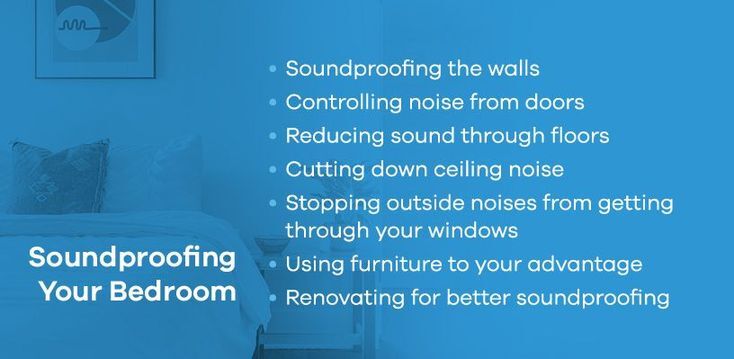
Beyond structural modifications and material applications, your bedroom’s existing furnishings and decorative elements can play a surprisingly significant role in sound management. Strategic placement and thoughtful selection of these items can effectively absorb and diffuse sound waves, contributing to a quieter and more peaceful environment without requiring extensive renovations. This section explores how to leverage your furniture and decor for enhanced soundproofing.The way sound interacts with a room is heavily influenced by the objects within it.
Hard, flat surfaces tend to reflect sound, creating echoes and reverberation, while soft, irregular surfaces absorb and scatter sound. By understanding these principles, you can arrange and choose your bedroom’s contents to minimize unwanted noise transmission and improve internal acoustics.
Furniture Placement for Sound Absorption
The strategic positioning of furniture can create natural sound barriers and absorption zones within your bedroom. By understanding how sound waves travel, you can orient your furniture to intercept and dampen them effectively.Placing larger, solid pieces of furniture like wardrobes and bookshelves against shared walls or walls facing noisy areas can act as a significant sound buffer. These items, especially when filled, provide mass and surface area that absorb and block sound.
Consider the following placement strategies:
- Wardrobes and Tall Cabinets: Position these against walls that are the source of external noise or shared with noisy neighbors. The dense material and sheer volume of these units will absorb a considerable amount of sound. Ensure they are filled with clothing or other soft items for maximum effect.
- Bookshelves: Similar to wardrobes, filled bookshelves offer excellent sound absorption. Their irregular surfaces, created by the books themselves, help to diffuse sound waves, preventing them from reflecting directly back into the room. Place them against walls that receive the most noise.
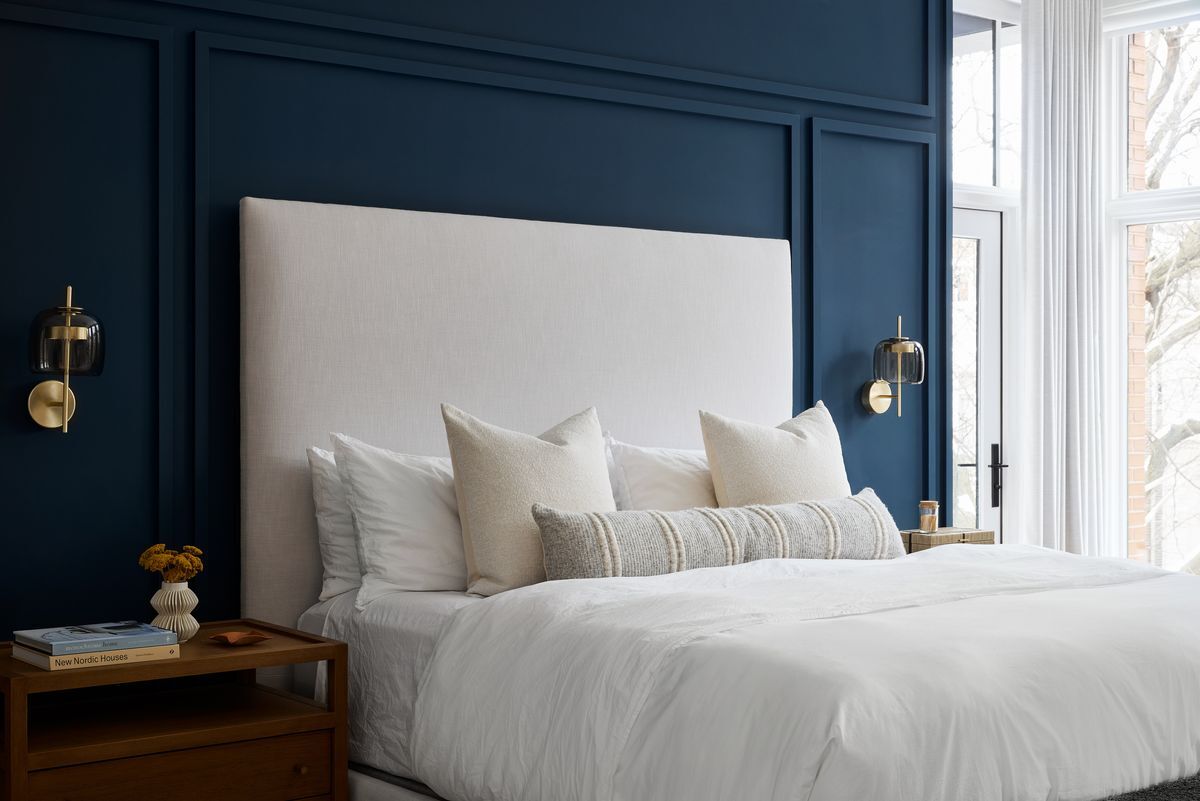
- Headboards: A substantial, upholstered headboard can help absorb sound that might otherwise reflect off the wall behind your bed, particularly useful if this wall is shared or faces a noisy area.
- Room Dividers: If your bedroom is a large, open space, consider using tall furniture pieces or decorative screens as room dividers. These can help to break up sound paths and create quieter zones within the room.
Utilizing Soft Furnishings for Sound Absorption
Soft furnishings are your allies in the battle against noise. Their porous and flexible nature allows them to absorb sound energy, converting it into heat rather than reflecting it. Incorporating a variety of soft elements can significantly reduce echo and dampen ambient noise.The key is to maximize the surface area covered by absorbent materials. This includes everything from your bedding to your window treatments and any decorative soft elements.
Curtains and Their Sound-Dampening Properties
Curtains are a highly effective, and often overlooked, element for soundproofing. The material, thickness, and density of your curtains directly impact their ability to absorb sound.Heavier, thicker fabrics are generally better at absorbing sound. The more layers and the denser the material, the more sound energy it can capture.
- Heavy Velvet and Velour Curtains: These are excellent choices for sound absorption due to their thick pile and dense weave. They can absorb a significant amount of sound, especially mid to high frequencies.
- Lined Curtains: Curtains with a thermal or blackout lining add an extra layer of mass and density, further enhancing their sound-dampening capabilities.
- Multiple Layers: Using two sets of curtains, one sheer and one heavy, can create a layered effect that traps sound more effectively.
- Pleating: Properly pleated curtains offer a larger surface area for sound absorption compared to flat drapes.
Upholstery and Soft Decor
Beyond curtains, other upholstered items and soft decor contribute to the overall sound absorption of your bedroom.
- Upholstered Furniture: Sofas, armchairs, and ottomans made with plush fabrics and deep cushioning are natural sound absorbers. If you have such items in your bedroom, ensure they are placed strategically to intercept sound.
- Rugs and Carpets: A thick, plush rug or carpet on the floor is crucial for absorbing impact noise from above and reducing echo within the room. The thicker the pile, the better the sound absorption.
- Wall Hangings and Tapestries: Fabric wall hangings, tapestries, or even large framed fabric art pieces can help to break up flat wall surfaces and absorb sound, similar to how curtains do.
- Decorative Pillows and Throws: While their individual impact is small, a generous collection of throw pillows and blankets on your bed and seating areas adds to the overall sound absorption of the room.
Designing a Bedroom Layout for Enhanced Acoustics
When arranging your bedroom, consider how the placement of furniture and decor can create a more acoustically balanced environment. The goal is to break up parallel surfaces and introduce soft, sound-absorbing materials in key areas.A well-designed layout maximizes the natural sound-absorbing qualities of your room’s contents. This involves a combination of furniture placement and the strategic use of soft furnishings.Consider the following layout principles:
- Break Up Parallel Surfaces: Avoid placing large, flat, hard surfaces directly opposite each other. For instance, if you have a large wardrobe on one wall, try not to have a large, bare wall directly opposite. Instead, place a bed with an upholstered headboard or a tall bookshelf there.
- Create Absorption Zones: Designate specific areas for sound absorption. For example, place your bed with a thick mattress and headboard against a wall that might be a source of noise. Position wardrobes and bookshelves on other key walls.
- Maximize Floor Coverage: Ensure that a significant portion of your floor is covered with soft flooring, such as a thick rug or carpet. This is particularly important for reducing noise transmission to floors below and for internal room acoustics.
- Incorporate Soft Window Treatments: Always opt for substantial, lined curtains for your windows, especially those facing outside or adjacent to noisy areas.
- Utilize Vertical Space for Absorption: Tall furniture like wardrobes and bookshelves, when filled, effectively absorb sound at different heights within the room.
By thoughtfully integrating these furniture and decor choices into your bedroom, you can significantly enhance its soundproofing qualities, creating a more serene and comfortable personal sanctuary.
Practical Considerations and Maintenance for Budget Soundproofing
Implementing effective soundproofing on a budget requires careful planning and ongoing attention. This section delves into how to confirm your efforts are paying off, how to keep your soundproofing solutions in good working order, and common mistakes to steer clear of.
Assessing Soundproofing Effectiveness
Determining whether your soundproofing measures are successful is crucial for making informed adjustments. This involves a combination of subjective listening and, where possible, more objective evaluation.
Begin by conducting a thorough listening test. Play a consistent source of noise, such as music or white noise, at a controlled volume both inside and outside your bedroom. Pay close attention to the reduction in sound transmission. Note any specific frequencies or types of noise that are still penetrating. This subjective assessment is often the most immediate indicator of success.
For a more quantitative approach, consider using a decibel meter app on your smartphone. While not professional-grade, these apps can provide a comparative measurement. Record the decibel level of your noise source in a controlled environment, then measure the decibel level inside your bedroom with the soundproofing measures in place. The difference will give you an indication of the sound reduction achieved.
Repeat this process at different locations around the room to identify any weak spots.
Another practical method is to enlist a friend. Have them generate noise outside your bedroom while you are inside, and vice versa. Discuss the perceived level of sound intrusion from both sides. This provides a dual perspective on the soundproofing’s performance.
Maintaining Budget Soundproofing Solutions
The longevity of your budget-friendly soundproofing solutions depends on regular care and minor upkeep. Unlike professional installations, DIY methods may require more frequent attention to ensure they continue to perform optimally.
It is important to regularly inspect the seals around doors and windows. Over time, weatherstripping and acoustic sealant can degrade, crack, or become dislodged, creating new sound leaks. Gently press along these seals to check for any gaps or areas that feel loose. If you notice any issues, reapply sealant or replace worn-out weatherstripping promptly. This simple maintenance can prevent a significant reintroduction of noise.
For sound-absorbing materials like acoustic foam panels or heavy curtains, periodically check for dust accumulation or damage. Dust can reduce the effectiveness of porous materials. Vacuum them gently or follow the manufacturer’s cleaning instructions. Ensure that any hanging elements, such as blankets or tapestries, remain securely in place and are not sagging, as this can compromise their sound-dampening capabilities.
If you’ve used mass-loaded vinyl (MLV) or other heavy materials, ensure they are still securely attached. Vibrations can sometimes loosen adhesives or fasteners over time. A quick visual inspection and a gentle tug can reveal any areas that need reinforcement. For any temporary solutions, like using old mattresses or rugs to block noise, check their positioning and ensure they are still effectively blocking the intended sound paths.
Potential Pitfalls to Avoid in DIY Soundproofing
Embarking on a DIY soundproofing project on a budget is commendable, but awareness of common pitfalls can save you time, money, and frustration. Understanding these potential issues allows for proactive problem-solving.
- Over-reliance on single solutions: Expecting a single material or technique to solve all your soundproofing needs is unrealistic. Effective soundproofing is typically a multi-layered approach addressing different types of sound transmission.
- Ignoring flanking paths: Sound doesn’t just travel through walls; it can travel through shared structural elements, ventilation systems, and gaps in adjoining rooms. Focusing solely on one wall without considering these flanking paths will limit your success.
- Underestimating the importance of mass: While absorption is important for reducing echoes, mass is crucial for blocking sound. Budget solutions that only focus on absorption without adding density will have limited effectiveness against airborne noise.
- Improper sealing: Even the most robust soundproofing materials are rendered ineffective if there are significant air gaps. Meticulous attention to sealing all edges, corners, and penetrations is paramount.
- Aesthetic compromises that reduce effectiveness: While budget is a concern, sacrificing functional soundproofing elements for aesthetics can backfire. For instance, leaving large gaps around decorative panels to make them look more appealing will create sound leaks.
- Using inappropriate materials: Not all soft materials are good sound absorbers. Using thin, lightweight fabrics or low-density foam will not significantly reduce noise transmission.
Soundproofing Inspection and Reinforcement Checklist
A systematic approach to checking and reinforcing your soundproofing efforts will ensure their continued effectiveness. This checklist provides a framework for regular maintenance.
It is recommended to conduct a comprehensive inspection of your soundproofing measures at least every six months. More frequent checks, perhaps quarterly, might be beneficial in areas with significant temperature fluctuations or high humidity, as these conditions can accelerate material degradation.
- Door and Window Seals:
- Visually inspect weatherstripping for cracks, tears, or signs of compression.
- Press firmly along all edges of the door and window frames to detect any looseness or gaps.
- Check the door sweep for wear and tear, ensuring it makes full contact with the floor.
- Test the effectiveness by opening and closing the door/window and listening for changes in ambient noise.
- Wall and Ceiling Treatments:
- Examine any applied mass-loaded vinyl or heavy fabric panels for sagging or detachment.
- Check acoustic foam or panels for dust accumulation or physical damage. Gently clean if necessary.
- Ensure any gaps or seams between panels are minimized and, if applicable, sealed.
- Floor Noise Mitigation:
- Inspect rugs or carpets for any signs of wear that might reduce their sound-dampening properties.
- Check the placement of any sound-absorbing mats or furniture, ensuring they are not shifting.
- Furniture and Decor:
- Ensure bookshelves are fully loaded and strategically placed.
- Verify that curtains or drapes are hanging correctly and covering the entire window area without gaps.
- Check the positioning of upholstered furniture, ensuring it is not creating new resonant spaces.
- Electrical Outlets and Fixtures:
- Inspect around light switches and electrical outlets for any visible gaps where sound might be entering or escaping.
- Consider adding acoustic putty pads behind outlet and switch plates for an extra layer of sealing.
Based on your inspection, reinforce any areas identified as weak. This might involve reapplying sealant, re-securing panels, adding extra layers of material where feasible, or adjusting the placement of furniture. Prioritize addressing any newly discovered sound leaks immediately.
Outcome Summary
In conclusion, transforming your bedroom into a haven of quietude is an attainable goal, even when working with limited resources. By implementing the budget-friendly techniques and material suggestions discussed, you can significantly reduce intrusive noise and create a more peaceful atmosphere. Remember, consistent application and occasional maintenance of these simple solutions will ensure the lasting tranquility of your personal retreat, making your bedroom a true sanctuary for rest and relaxation.