Welcome to our comprehensive guide on How to Deal with Sleep Anxiety and Fear of Not Sleeping. This topic touches upon a common yet often challenging aspect of well-being, and we’re here to explore it with you in a way that is both informative and supportive. Understanding the nuances of sleep anxiety is the first step towards reclaiming peaceful nights.
This guide delves into the intricate physiological and psychological factors that contribute to sleep anxiety, exploring its common triggers, symptoms, and the frustrating cycle it can create. We will also uncover the deeper roots of this fear, examining how past experiences, thought patterns, and lifestyle choices can influence your ability to fall asleep. By shedding light on these elements, we aim to equip you with the knowledge needed to address this issue effectively.
Understanding Sleep Anxiety and the Fear of Not Sleeping
Sleep anxiety, often referred to as the fear of not sleeping, is a pervasive and distressing condition that can significantly disrupt an individual’s well-being. It’s characterized by an intense worry and apprehension surrounding the act of sleeping itself, leading to a self-perpetuating cycle of sleeplessness and heightened anxiety. Understanding its multifaceted nature is the first crucial step in effectively managing and overcoming it.This condition is not simply about feeling tired; it involves a complex interplay of physiological and psychological responses that become activated when an individual anticipates or experiences difficulty falling asleep.
Recognizing these components is key to unraveling the roots of this anxiety and developing targeted strategies for relief.
Physiological and Psychological Components of Sleep Anxiety
Sleep anxiety manifests through a combination of bodily reactions and mental distress. Physiologically, the body enters a state of heightened arousal, often described as a “fight-or-flight” response. This can include an increased heart rate, muscle tension, rapid breathing, and a general feeling of restlessness. These physical sensations are often interpreted by the anxious mind as further evidence that sleep is impossible, thereby intensifying the anxiety.
Psychologically, sleep anxiety involves persistent worries and catastrophic thoughts about the consequences of not sleeping. This can include fears of poor performance the next day, impaired cognitive function, or even more severe health implications. The mind becomes fixated on the perceived threat of sleeplessness, making it incredibly difficult to relax and transition into sleep.
Common Triggers and Contributing Factors
A variety of factors can contribute to the development and exacerbation of sleep anxiety. These often stem from a combination of learned associations and underlying vulnerabilities.Here are some of the most common triggers and contributing factors:
- Past experiences of insomnia: Repeated nights of poor sleep can create a strong association between bedtime and distress, leading to anticipatory anxiety.
- High stress levels: Significant life stressors, whether related to work, relationships, or finances, can keep the mind racing and prevent relaxation necessary for sleep.
- Poor sleep hygiene: Irregular sleep schedules, excessive caffeine or alcohol intake before bed, and exposure to screens in the bedroom can disrupt natural sleep patterns and fuel anxiety.
- Underlying mental health conditions: Anxiety disorders, depression, and other mood disorders are frequently co-occurring with sleep anxiety, as they share common pathways of arousal and worry.
- Medical conditions: Chronic pain, respiratory issues, or hormonal imbalances can directly interfere with sleep and indirectly contribute to anxiety about the inability to sleep.
- Perfectionistic tendencies: Individuals who strive for perfection may place excessive pressure on themselves to “sleep perfectly,” which paradoxically makes sleep more elusive.
Typical Symptoms of Sleep Anxiety
The experience of sleep anxiety is often characterized by a range of physical and mental symptoms that arise in the hours leading up to bedtime or when attempting to sleep. These symptoms can vary in intensity from person to person.Individuals experiencing sleep anxiety commonly report:
- Racing thoughts: A constant stream of worries, to-do lists, or replaying events of the day.
- Physical tension: Tightness in the chest, shoulders, or jaw, and a general feeling of being on edge.
- Difficulty relaxing: An inability to settle the body and mind, making it hard to find a comfortable position or quiet the internal dialogue.
- Increased heart rate and palpitations: A noticeable acceleration of the heartbeat, sometimes accompanied by a fluttering sensation.
- Restlessness and fidgeting: An urge to move around, change positions frequently, and an inability to stay still.
- Worry about the consequences of not sleeping: Anticipating a terrible day ahead due to anticipated sleeplessness, such as poor performance at work or school.
- Feeling of dread or panic: A sense of impending doom or overwhelming fear specifically linked to the prospect of being unable to sleep.
- Avoidance of bedtime: Procrastinating going to bed or actively seeking distractions to delay the inevitable attempt to sleep.
The Cyclical Nature of Sleep Anxiety and its Impact on Sleep Quality
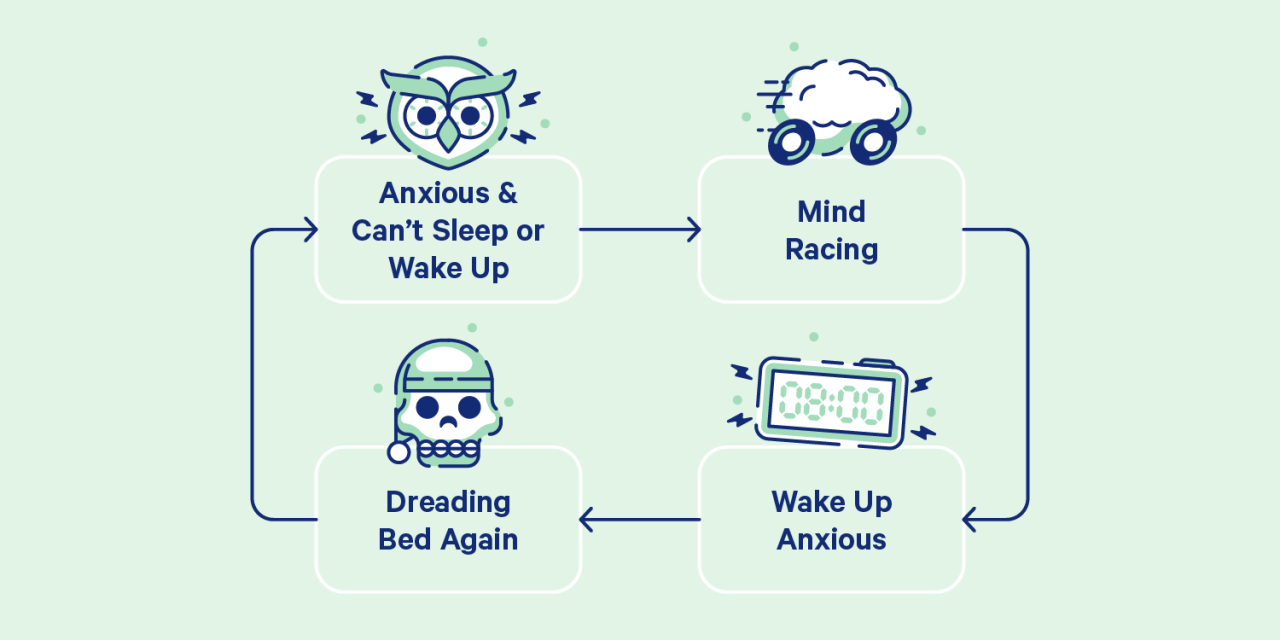
Sleep anxiety often creates a detrimental cycle that reinforces itself, leading to progressively poorer sleep quality. This cycle begins with an initial period of difficulty sleeping, perhaps due to stress or a temporary disruption. This leads to worry about not sleeping, which in turn increases physiological arousal and mental preoccupation with sleep, making it even harder to fall asleep.This self-perpetuating loop can be described as follows:
- Initial Sleep Disruption: An external factor (e.g., stress, noise) causes a night of poor sleep.
- Anticipatory Anxiety: The individual begins to dread the next night, fearing a repeat of the sleeplessness.
- Heightened Arousal: As bedtime approaches, the body and mind become physiologically and psychologically alert, making sleep difficult.
- Worry and Rumination: The individual focuses intensely on the inability to sleep, leading to catastrophic thoughts about the consequences.
- Reduced Sleep Quality: The anxiety prevents deep, restorative sleep, resulting in fragmented or insufficient sleep.
- Reinforcement of Fear: The poor sleep quality from the previous night confirms the individual’s fears, intensifying the anxiety for subsequent nights.
This cycle significantly degrades overall sleep quality, leading to daytime fatigue, irritability, impaired concentration, and a diminished ability to cope with daily challenges. The fear of not sleeping becomes a self-fulfilling prophecy, deeply impacting an individual’s physical and mental health.
Identifying the Roots of Sleep Anxiety
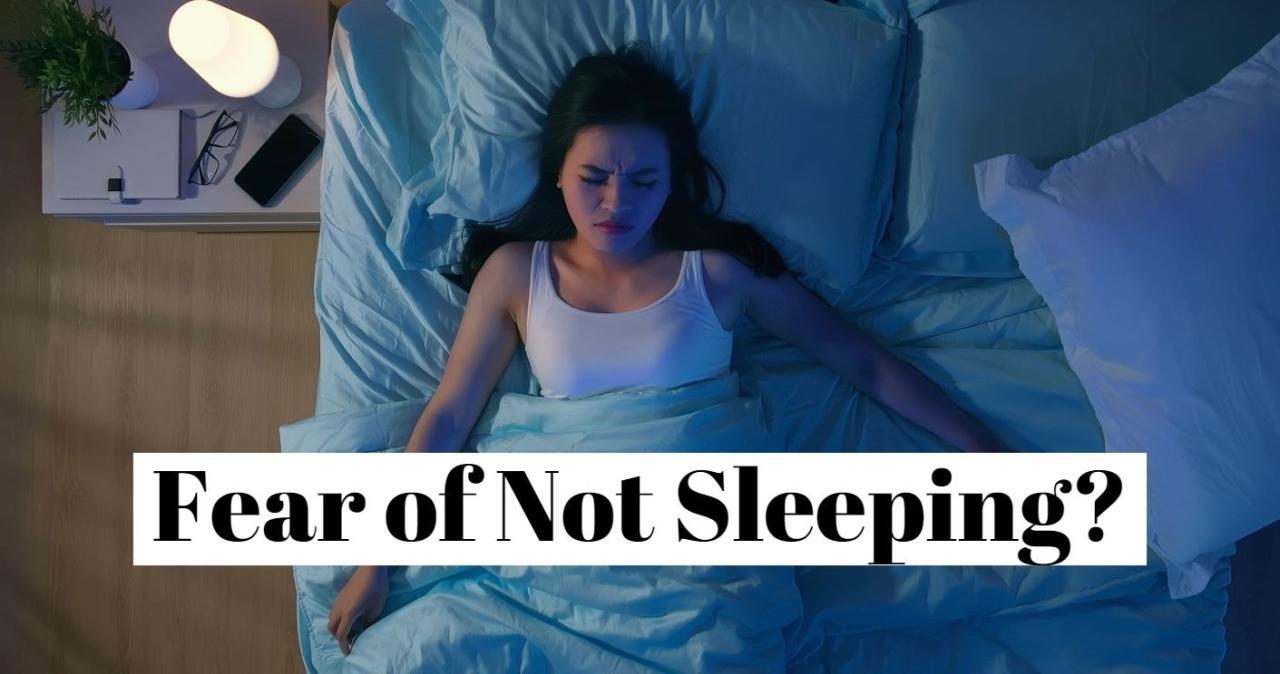
Understanding the origins of sleep anxiety is a crucial step in managing it effectively. Often, this anxiety doesn’t appear out of nowhere but rather stems from a combination of past experiences, ingrained thought patterns, and lifestyle habits. By delving into these underlying causes, we can begin to dismantle the cycle of fear and sleeplessness.This section will explore the various factors that contribute to the development and persistence of sleep anxiety, providing a clearer picture of why the fear of not sleeping takes hold.
Past Negative Sleep Experiences
Previous instances of poor sleep can create a powerful conditioning effect, leading to anticipation of future difficulties. When sleep has been consistently elusive or associated with distress in the past, the brain learns to associate the bedtime environment or the act of trying to sleep with negative outcomes. This learned association can trigger a physiological stress response, making it even harder to relax and fall asleep.
- Traumatic Sleep Events: A period of significant insomnia, a stressful event that disrupted sleep for an extended time, or even a single night of extreme sleep deprivation can leave a lasting imprint. The memory of struggling to sleep can resurface, triggering anxiety about repeating the experience.
- Association with Illness or Pain: If past sleep disturbances were linked to physical discomfort or illness, the bedroom or bedtime may become associated with these unpleasant sensations, leading to a subconscious avoidance of sleep.
- Perceived Lack of Control: Feeling powerless over one’s ability to sleep can be a significant source of anxiety. When individuals have tried various methods without success, a sense of helplessness can develop, making them fear future attempts to sleep.
Cognitive Distortions Perpetuating Sleep Fear
Our thoughts play a significant role in how we experience sleep. Cognitive distortions, which are irrational or exaggerated thought patterns, can amplify the fear of not sleeping and create a self-fulfilling prophecy. These distortions often involve taking minor issues and blowing them out of proportion, leading to excessive worry.
- Catastrophizing: This involves expecting the worst possible outcome. For example, believing that one bad night of sleep will lead to complete exhaustion, inability to function, and disastrous consequences for work or personal life.
- Overgeneralization: Taking a single negative event and applying it to all future situations. If someone has a few nights of poor sleep, they might conclude, “I will never be able to sleep well again.”
- All-or-Nothing Thinking: Viewing sleep in absolute terms – either getting perfect, restorative sleep or experiencing complete failure. This overlooks the reality that sleep quality can vary, and even less-than-perfect sleep can be sufficient.
- Magnification and Minimization: Exaggerating the importance of minor sleep disruptions (e.g., waking up once) while minimizing the positive aspects of sleep (e.g., feeling refreshed after a few hours).
“The fear of sleep is often more debilitating than the sleeplessness itself.”
Influence of Lifestyle Factors
Everyday habits and routines have a profound impact on our sleep architecture and our susceptibility to sleep anxiety. Certain lifestyle choices can directly interfere with the body’s natural sleep-wake cycle or increase physiological arousal, making it harder to fall asleep and fostering worry about the process.
- Caffeine and Stimulants: Consuming caffeine, especially in the afternoon or evening, can prolong the time it takes to fall asleep and reduce overall sleep quality. This can lead to frustration and anxiety about not being able to “switch off.”
- Screen Time Before Bed: The blue light emitted from electronic devices (smartphones, tablets, computers) can suppress melatonin production, the hormone that regulates sleep. Engaging with stimulating content can also increase mental arousal, making it difficult to transition to sleep.
- Irregular Sleep Schedules: Going to bed and waking up at vastly different times, particularly on weekends, can disrupt the body’s internal clock (circadian rhythm). This inconsistency can lead to feelings of jet lag and make it harder to fall asleep at a consistent time, fueling anxiety about bedtime.
- Late-Night Meals and Alcohol: Heavy meals close to bedtime can cause digestive discomfort, while alcohol, though it may initially induce drowsiness, often leads to fragmented sleep and early morning awakenings, contributing to the fear of a restless night.
Connection Between Stress, Worry, and Difficulty Falling Asleep
Stress and worry are perhaps the most significant drivers of sleep anxiety. When the mind is racing with concerns about daily life, work, relationships, or even about sleep itself, it enters a state of hyperarousal. This state is incompatible with the relaxation required for sleep.
- The “Stuck” Mind: During periods of stress, the brain’s fight-or-flight response can be activated. This means the body is prepared for action, not rest. Worrying thoughts can become a loop, constantly replaying problems or anticipating future challenges, preventing the mind from quieting down.
- Pre-Sleep Rumination: The hours leading up to bedtime are often when worries can escalate. The quiet of the night can amplify internal dialogue, and the pressure to fall asleep can become another source of anxiety, creating a vicious cycle.
- Physiological Arousal: Stress hormones like cortisol and adrenaline can keep the body on high alert, leading to a racing heart, tense muscles, and difficulty relaxing. This physical tension makes it challenging to drift off to sleep.
- Anticipatory Anxiety: The mere thought of going to bed can trigger anxiety because of the anticipation of struggling to sleep. This anticipatory anxiety can then become a self-fulfilling prophecy, making sleep difficult.
Strategies for Managing Racing Thoughts at Bedtime
When the mind races, sleep can feel like an elusive dream. This section focuses on practical strategies to calm the mental chatter and prepare your mind for rest, transforming bedtime from a battleground into a sanctuary. By implementing these techniques, you can actively work towards quieting anxious thoughts and fostering a more peaceful transition into sleep.
Designing Calming Bedtime Routines
A consistent bedtime routine acts as a powerful signal to your body and mind that it’s time to wind down. These rituals help to gradually decrease physiological arousal and create a sense of predictability, which can be very comforting when dealing with anxiety. The key is to select activities that you find genuinely relaxing and to perform them in a predictable order each night.Here are some elements that can be incorporated into a calming bedtime routine:
- Warm Bath or Shower: The rise and subsequent fall in body temperature after a warm bath can promote sleepiness. Adding Epsom salts or calming essential oils like lavender can enhance the relaxing effect.
- Reading a Physical Book: Opt for a book that is engaging but not overly stimulating. Avoid e-readers or devices that emit blue light, as this can interfere with melatonin production.
- Gentle Stretching or Yoga: Light physical activity can release tension accumulated throughout the day. Focus on poses that promote relaxation, such as child’s pose or gentle twists.
- Journaling: Writing down worries, to-do lists for the next day, or reflections on the current day can help to externalize anxious thoughts, making them feel less overwhelming.
- Listening to Calming Music or Podcasts: Choose instrumental music, nature sounds, or podcasts with a soothing narrative. Avoid content that is emotionally charged or intellectually demanding.
- Herbal Tea: Certain herbal teas, such as chamomile or valerian root, have natural calming properties that can aid in relaxation.
Cognitive Reframing Techniques for Anxious Sleep Thoughts
Racing thoughts often stem from negative and unhelpful beliefs about sleep. Cognitive reframing involves identifying these thoughts and challenging their validity, replacing them with more balanced and realistic perspectives. This process requires practice but can significantly reduce the power these anxious thoughts hold.Consider the following techniques to reframe anxious thoughts about sleep:
- Identify the Thought: Become aware of the specific thought that is causing anxiety. For example, “I’ll never fall asleep tonight,” or “If I don’t sleep, I’ll be useless tomorrow.”
- Challenge the Evidence: Ask yourself: “What evidence do I have that this thought is true?” and “What evidence do I have that this thought is
-not* true?” Often, we catastrophize without examining the actual facts. - Consider Alternative Explanations: Think about other possible outcomes. Instead of “I’ll be useless,” consider “Even if I don’t sleep perfectly, I can still manage my day, and I’ve gotten through days with less sleep before.”
- Decatastrophize: Ask yourself, “What is the worst-case scenario?” and then, “How likely is that scenario?” and “If it did happen, how would I cope?” Often, the imagined catastrophe is far worse than reality.
- Focus on What You Can Control: Acknowledge that you cannot force sleep, but you can control your bedtime routine, your environment, and your response to anxious thoughts.
- Schedule “Worry Time”: Designate a specific time earlier in the day to actively think about your worries. This can help to prevent them from intruding at bedtime.
“The mind is a powerful tool; learning to direct its focus is key to managing anxiety.”
Mindfulness and Meditation Exercises for Pre-Sleep Practice
Mindfulness and meditation are powerful tools for cultivating present-moment awareness and reducing mental rumination. By gently bringing your attention back to the present, you can disengage from anxious thoughts and promote a state of calm conducive to sleep. These practices are not about emptying the mind but rather about observing thoughts without judgment.Here are some mindfulness and meditation exercises suitable for pre-sleep practice:
- Body Scan Meditation: This involves systematically bringing your attention to different parts of your body, noticing any sensations without trying to change them. Start with your toes and slowly move up to the crown of your head, acknowledging any feelings of warmth, coolness, tension, or relaxation.
- Mindful Breathing: Focus on the sensation of your breath as it enters and leaves your body. Notice the rise and fall of your chest or abdomen. When your mind wanders, gently guide your attention back to your breath.
- Loving-Kindness Meditation (Metta): This practice cultivates feelings of warmth and compassion towards yourself and others. You can silently repeat phrases like, “May I be happy, may I be healthy, may I be at peace.”
- Guided Imagery: Imagine yourself in a peaceful and serene place, such as a beach, a forest, or a cozy cabin. Engage all your senses to make the experience vivid and calming.
- Mindful Observation of Thoughts: Instead of fighting anxious thoughts, observe them as if they were clouds passing in the sky or leaves floating down a stream. Acknowledge their presence without getting caught up in their narrative.
Simple Breathing Techniques to Reduce Physiological Arousal
Anxiety often manifests physically, leading to increased heart rate, shallow breathing, and muscle tension. Simple breathing exercises can effectively counteract these physiological responses, signaling to your nervous system that it is safe to relax and prepare for sleep.Explore these breathing techniques to calm your body before sleep:
- Diaphragmatic Breathing (Belly Breathing): This is the most fundamental and effective technique.
- Lie down comfortably on your back.
- Place one hand on your chest and the other on your abdomen, just below your rib cage.
- Inhale slowly through your nose, allowing your abdomen to rise as your diaphragm expands. Your chest hand should remain relatively still.
- Exhale slowly through your mouth, gently drawing your abdomen inward.
- Continue this for several minutes, aiming for a slow, rhythmic breath.
- 4-7-8 Breathing Technique: Developed by Dr. Andrew Weil, this technique is designed to promote relaxation and sleep.
- Exhale completely through your mouth, making a “whoosh” sound.
- Close your mouth and inhale quietly through your nose to a mental count of 4.
- Hold your breath for a count of 7.
- Exhale completely through your mouth, making another “whoosh” sound, to a count of 8.
- Repeat this cycle for at least four breaths.
- Box Breathing (Square Breathing): This technique involves equal counts for inhalation, holding, exhalation, and holding.
- Inhale slowly through your nose for a count of 4.
- Hold your breath for a count of 4.
- Exhale slowly through your mouth for a count of 4.
- Hold your breath for a count of 4.
- Repeat this cycle.
These breathing exercises can be practiced individually or integrated into your bedtime routine. Consistency is key to reaping their full benefits.
Creating a Conducive Sleep Environment
Your bedroom should be a sanctuary for rest, a place where your mind and body can naturally transition into sleep. A well-designed sleep environment can significantly reduce the stimuli that might trigger anxiety and make it easier to fall and stay asleep. This section will guide you through optimizing your bedroom for deep, restorative sleep.The physical aspects of your bedroom play a crucial role in signaling to your brain that it’s time to wind down.
By carefully controlling light, temperature, and sound, you create a powerful subconscious cue for sleep.
Optimal Bedroom Conditions for Restful Sleep
Achieving the ideal sleep environment involves a delicate balance of sensory inputs. Here are the key elements to focus on:
- Light: Darkness is paramount for melatonin production, the hormone that regulates sleep. Aim for a room that is as dark as possible. This includes using blackout curtains or blinds to block external light sources like streetlights or early morning sun. Even small amounts of light from electronic devices can disrupt sleep, so ensure all visible LEDs are covered or removed.
- Temperature: A slightly cooler room is generally more conducive to sleep. The ideal temperature range for most people is between 60-67 degrees Fahrenheit (15-19 degrees Celsius). Experiment to find what feels most comfortable for you, as individual preferences can vary. A cooler environment helps your body’s core temperature to drop, a natural process that signals sleep.
- Sound: While complete silence isn’t always achievable or desirable for everyone, minimizing disruptive noises is key. Consider using earplugs if your environment is particularly noisy. Alternatively, a white noise machine or a fan can provide a consistent, soothing background sound that masks sudden or jarring noises, creating a more predictable auditory environment.
Comfortable Bedding and Pillows
The comfort of your bed directly impacts your ability to relax and drift off. Investing in quality bedding and pillows that suit your personal preferences can make a significant difference.When selecting bedding, consider the materials and their breathability. Natural fibers like cotton, linen, or bamboo tend to be more breathable than synthetic materials, helping to regulate body temperature throughout the night.
Your mattress should provide adequate support for your body, aligning your spine properly. Pillow choice is highly personal and depends on your sleeping position. Side sleepers often benefit from thicker pillows that fill the gap between the head and shoulder, while back sleepers may prefer thinner, more supportive pillows. Stomach sleepers might find flatter pillows or no pillow at all most comfortable.
Clutter-Free and Calming Bedroom Aesthetic
Your bedroom’s visual environment can either promote relaxation or contribute to feelings of stress and overwhelm. A cluttered space can translate to a cluttered mind, making it harder to switch off.Create a serene atmosphere by decluttering regularly. Keep surfaces clear of unnecessary items, and store belongings out of sight in drawers or cabinets. Opt for calming colors on your walls, such as soft blues, greens, or neutral tones, which are known to promote tranquility.
Incorporate elements that bring you peace, like a few well-chosen pieces of art or plants. The goal is to make your bedroom a place that feels like a retreat.
Minimizing Distractions from Electronic Devices
Electronic devices are a significant source of light and stimulation that can interfere with sleep. The blue light emitted from screens can suppress melatonin production, delaying sleep onset.It is highly recommended to establish a “digital curfew” at least one hour before bedtime. This means putting away smartphones, tablets, laptops, and televisions. If you must use a device, consider using blue light filters or night mode settings.
Avoid using your bedroom for activities that involve screens, such as working or watching intense movies, to help your brain associate the bedroom solely with sleep and relaxation.
“The bedroom should be a temple of sleep, free from the distractions of the day.”
Behavioral Approaches to Overcome Fear of Not Sleeping
Building upon our understanding and management of sleep anxiety, this section delves into practical behavioral strategies designed to directly address the fear of not sleeping. These techniques are grounded in established therapeutic principles and aim to retrain your brain’s response to bedtime and sleep itself. By actively engaging in these approaches, you can gradually dismantle the cycle of anxiety and reclaim restful nights.
Stimulus Control Therapy Principles
Stimulus Control Therapy is a cornerstone behavioral intervention for insomnia. Its primary goal is to re-establish a strong association between the bedroom and sleep, while weakening the link between the bedroom and wakefulness or frustration. This therapy operates on the principle that specific environmental cues and behaviors can either promote or inhibit sleep. By manipulating these stimuli, individuals can learn to fall asleep more easily and reduce the time spent awake in bed.The core principles of Stimulus Control Therapy include:
- Go to bed only when sleepy: This reinforces the feeling of sleepiness as the primary cue for entering the sleep environment.
- Use the bed only for sleep and intimacy: All other activities, such as reading, watching TV, working, or worrying, should be avoided in bed. This helps to break the association between the bed and stimulating or anxiety-provoking activities.
- Leave the bedroom if unable to fall asleep (or fall back asleep) within approximately 15-20 minutes: The intention is to prevent the bedroom from becoming a place of frustration and wakefulness. Returning to the bedroom only when feeling sleepy helps to re-establish the desired association.
- Maintain a consistent wake-up time every day, regardless of how much sleep was obtained: This is a critical component for regulating the body’s internal clock.
- Avoid daytime naps, especially in the late afternoon or evening: Naps can reduce the drive for sleep at night, making it harder to fall asleep. If naps are necessary, they should be short (20-30 minutes) and taken earlier in the day.
Sleep Restriction Therapy Process and Benefits
Sleep Restriction Therapy is another powerful behavioral technique that works by intentionally limiting the time spent in bed to match the actual amount of time an individual is sleeping. This approach is counterintuitive to what many people with insomnia feel they should do, but it is highly effective in improving sleep efficiency and reducing sleep onset latency. The underlying principle is to create a moderate sleep deprivation, which paradoxically increases the drive for sleep and leads to more consolidated and restorative sleep.The process of Sleep Restriction Therapy typically involves the following steps:
- Calculate the average sleep time: For one to two weeks, keep a detailed sleep diary to accurately record the total time spent asleep each night.
- Set a fixed time in bed: Based on the average sleep time, a specific window of time in bed is established. For example, if the average sleep time is 5.5 hours, the time in bed might be set to 6 hours.
- Maintain a consistent wake-up time: This is paramount. The wake-up time remains the same every single day, even on weekends or after a particularly poor night’s sleep.
- Gradually increase time in bed: As sleep efficiency (the percentage of time in bed actually spent asleep) improves and consistently stays above 85%, the time in bed is incrementally increased, usually by 15-30 minutes, until the desired amount of sleep is achieved.
The intended benefits of Sleep Restriction Therapy are significant:
- Increased sleep efficiency: By reducing time spent awake in bed, the body learns to fall asleep more quickly and stay asleep longer.
- Reduced sleep onset latency: The time it takes to fall asleep is significantly decreased.
- Consolidated sleep: Sleep becomes more continuous and less fragmented.
- Reduced time spent awake in bed: This diminishes the negative association with the bedroom and frustration.
- Improved daytime alertness: As sleep quality improves, so does daytime functioning.
Techniques for Gradual Desensitization to the Bedroom
For individuals experiencing anxiety specifically tied to their bedroom, a gradual desensitization process can be highly effective. This involves systematically reducing the anxiety triggers associated with the bedroom and reintroducing it as a place of calm and rest. The goal is to break the learned association between the bedroom and feelings of panic, worry, or fear of not sleeping.Techniques for gradual desensitization include:
- Relaxation exercises outside the bedroom: Practice deep breathing, progressive muscle relaxation, or guided imagery in a comfortable space
-outside* of the bedroom. Once these techniques are mastered and evoke a sense of calm, they can then be brought into the bedroom. - Introducing positive associations: Begin by spending short, pleasant periods in the bedroom during the day while fully awake. This could involve reading a light book, listening to calming music, or engaging in a quiet hobby. The key is to associate the bedroom with enjoyable, non-sleep-related activities.
- Mindfulness and grounding techniques: When in the bedroom, focus on sensory experiences that are calming and grounding, such as the feel of soft bedding, the gentle hum of a fan, or the visual simplicity of the room. This shifts attention away from anxious thoughts.
- Cognitive restructuring within the bedroom: If anxious thoughts arise, gently acknowledge them without judgment and then consciously redirect your attention to a calming thought or sensation. This is not about suppressing thoughts but about changing your relationship with them.
- Gradual increase in time spent in the bedroom before sleep: Once the bedroom starts to feel more neutral or positive, gradually increase the time spent there before attempting to sleep. This might start with just sitting in the room for a few minutes, then reading for 10 minutes, and so on, always ensuring the activity is relaxing and not anxiety-provoking.
Importance of Establishing a Consistent Wake-Up Time
The consistent wake-up time is arguably the most critical component of behavioral interventions for insomnia, including Stimulus Control and Sleep Restriction Therapy. It acts as the anchor for your body’s natural sleep-wake cycle, also known as the circadian rhythm. Regardless of how poor your sleep was the previous night, adhering to a fixed wake-up time helps to regulate your internal biological clock, making it more likely that you will feel sleepy at an appropriate time and fall asleep more easily.The importance of a consistent wake-up time is underscored by several factors:
- Circadian Rhythm Regulation: Your body has an internal clock that dictates when you feel alert and when you feel sleepy. A consistent wake-up time sends a strong signal to this clock, reinforcing the timing of your sleep-wake cycle.
- Sleep Drive: The longer you are awake, the stronger your “sleep drive” or homeostatic sleep pressure becomes. By waking up at the same time each day, you ensure that this sleep drive builds consistently, leading to increased sleepiness at bedtime.
- Avoiding Sleep Debt Amplification: Sleeping in after a bad night can disrupt the circadian rhythm and reduce the sleep drive for the following night, potentially creating a cycle of worsening insomnia. A consistent wake-up time helps to prevent this amplification of sleep debt.
- Improved Sleep Onset: When your circadian rhythm is well-regulated, you are more likely to experience a natural and timely onset of sleep.
- Reduced Anxiety about Sleep: Knowing that you will wake up at a set time, regardless of sleep duration, can reduce the anxiety associated with trying to “catch up” on sleep or worrying about the consequences of a sleepless night.
For example, if someone typically wakes up at 7 AM, even after a night of only sleeping for 4 hours, they should still get out of bed at 7 AM. This consistent action helps to reinforce the 7 AM wake-up time as a biological signal, ultimately making it easier to fall asleep at their intended bedtime on subsequent nights.
Lifestyle Adjustments for Improved Sleep
Making conscious choices about our daily habits can significantly impact our ability to fall asleep and stay asleep. These adjustments are not merely suggestions but rather fundamental pillars that support a healthy sleep-wake cycle, directly addressing the anxiety and fear associated with not sleeping. By integrating these practices, we can proactively cultivate an environment conducive to restful sleep.This section delves into practical, actionable lifestyle changes that can mitigate sleep anxiety.
We will explore the influence of common stimulants, the profound benefits of physical activity, the role of nutrition and hydration, and the strategic management of daytime naps.
Stimulant Impact on Sleep Patterns
Understanding how common stimulants affect our sleep is crucial for making informed choices. These substances can interfere with the natural processes that regulate sleep, leading to difficulties in falling asleep and reduced sleep quality.Here is a comparison of the effects of caffeine and nicotine on sleep patterns:
| Stimulant | Mechanism of Action | Impact on Sleep | Duration of Effect |
|---|---|---|---|
| Caffeine | Blocks adenosine receptors, a neurotransmitter that promotes sleepiness. It also stimulates the central nervous system. | Increased alertness, difficulty falling asleep, more awakenings during the night, reduced total sleep time, and lighter sleep. | Can last for 6-8 hours, with peak effects occurring shortly after consumption. |
| Nicotine | Acts as a stimulant, increasing heart rate and blood pressure. It also has withdrawal effects that can disrupt sleep. | Difficulty falling asleep, increased awakenings, reduced REM sleep, and restlessness. Withdrawal symptoms, such as irritability and cravings, can further disrupt sleep. | The stimulating effects can last for a few hours, but the withdrawal effects can persist throughout the night and into the morning. |
Benefits of Regular Physical Activity and Timing
Engaging in regular physical activity is a powerful tool for improving sleep quality and reducing sleep anxiety. Exercise helps to reduce stress, expend energy, and regulate the body’s natural sleep-wake cycle. However, the timing of physical activity is also a critical factor.The benefits of regular physical activity include:
- Stress Reduction: Exercise is a natural stress reliever, helping to calm the mind and reduce the rumination that often fuels sleep anxiety.
- Improved Mood: Physical activity releases endorphins, which have mood-boosting effects, potentially alleviating the negative emotions associated with not sleeping.
- Deeper Sleep: Regular exercisers often experience more time in deep, restorative sleep stages.
- Circadian Rhythm Regulation: Consistent exercise can help to synchronize the body’s internal clock, making it easier to fall asleep and wake up at consistent times.
Regarding the timing of exercise, it is generally recommended to:
- Engage in moderate to vigorous exercise earlier in the day. This allows sufficient time for the body to wind down before bedtime. Exercising too close to bedtime, especially with intense activities, can raise core body temperature and release stimulating hormones, making it harder to fall asleep.
- Consider light stretching or yoga in the evening. These activities can promote relaxation and prepare the body for sleep without being overly stimulating.
For instance, a brisk walk or a gym session in the late afternoon or early evening is often ideal. Conversely, engaging in a high-intensity interval training (HIIT) workout just an hour before bed might lead to increased alertness and difficulty settling down.
Impact of Diet and Hydration on Sleep Quality
What and when we eat and drink can have a significant influence on our sleep. A balanced diet and adequate hydration are essential for overall health, including the promotion of restful sleep.Key considerations for diet and hydration include:
- Balanced Meals: Consuming balanced meals throughout the day, rich in whole grains, lean proteins, and healthy fats, supports stable blood sugar levels, which can prevent nighttime awakenings due to hunger or energy dips.
- Avoid Heavy Meals Before Bed: Eating large, heavy, or spicy meals close to bedtime can lead to indigestion, heartburn, and discomfort, all of which can disrupt sleep. Aim to finish your last substantial meal at least 2-3 hours before going to sleep.
- Limit Sugary Foods and Refined Carbohydrates: These can cause blood sugar spikes and crashes, leading to disrupted sleep.
- Moderate Fluid Intake in the Evening: While staying hydrated is crucial, excessive fluid intake in the hours leading up to bedtime can lead to frequent nighttime awakenings for urination. Sip water throughout the day and reduce intake in the 1-2 hours before sleep.
- Caffeine and Alcohol: As discussed, caffeine should be avoided in the afternoon and evening. While alcohol may initially induce drowsiness, it disrupts sleep architecture later in the night, leading to fragmented sleep and reduced quality.
Strategies for Managing Daytime Naps
Daytime naps can be beneficial for some individuals, providing a restorative break. However, if not managed correctly, they can interfere with nighttime sleep, exacerbating sleep anxiety.Effective strategies for managing daytime naps include:
- Keep Naps Short: Aim for naps of 20-30 minutes. Longer naps can lead to grogginess (sleep inertia) and may disrupt your ability to fall asleep at night.
- Nap Earlier in the Day: The best time for a nap is typically in the early afternoon, between 1 pm and 3 pm. Napping too late in the day can make it difficult to fall asleep when you want to at night.
- Establish a Consistent Nap Schedule: If you choose to nap, try to do so at the same time each day. This helps to regulate your body’s natural sleep-wake cycle.
- Create a Sleep-Conducive Nap Environment: Just like for nighttime sleep, ensure your napping space is dark, quiet, and cool.
- Avoid Napping When Sleep-Deprived and Anxious: If you are experiencing significant sleep anxiety, it might be more beneficial to avoid naps altogether and focus on establishing a robust nighttime sleep routine. The temptation to nap when feeling tired can reinforce the cycle of daytime sleepiness and nighttime worry.
For example, a person who struggles with falling asleep at night might find that a 20-minute nap around 2 pm has no negative impact, whereas a 2-hour nap after lunch could make them feel wide awake at 11 pm.
When to Seek Professional Help
While many individuals can effectively manage sleep anxiety and the fear of not sleeping through self-help strategies and lifestyle adjustments, there are specific indicators that suggest professional intervention is necessary. Recognizing these signs is crucial for timely and effective treatment, preventing the escalation of sleep disturbances and their impact on overall well-being.Persistent and severe sleep difficulties, despite consistent application of self-help techniques, are a primary signal to seek professional guidance.
This includes experiencing significant distress, impairment in daily functioning, or a notable decline in quality of life due to sleep problems.
Indicators for Professional Intervention
Several signs and symptoms point towards the need for professional assistance with sleep anxiety and the fear of not sleeping. These indicators often suggest that the condition may be more complex or deeply rooted, requiring expert evaluation and tailored treatment plans.
- Chronic Insomnia: Difficulty falling asleep, staying asleep, or experiencing non-restorative sleep for at least three nights per week for three months or longer.
- Significant Daytime Impairment: Experiencing excessive daytime sleepiness, fatigue, irritability, difficulty concentrating, memory problems, or mood disturbances that interfere with work, school, or social activities.
- High Levels of Distress: Intense worry, anxiety, or dread specifically related to sleep or the inability to sleep, leading to significant emotional distress.
- Development of Maladaptive Behaviors: Engaging in behaviors that, while intended to promote sleep, actually worsen the problem, such as excessive time spent in bed awake, or constantly checking the clock.
- Co-occurring Mental Health Conditions: Sleep anxiety often coexists with other mental health issues like depression, generalized anxiety disorder, or post-traumatic stress disorder, which require integrated treatment.
- Physical Symptoms: Experiencing physical symptoms like headaches, digestive issues, or muscle tension that are exacerbated by sleep deprivation or anxiety about sleep.
Healthcare Professionals for Sleep Disorders and Anxiety
A range of healthcare professionals are equipped to diagnose and treat sleep disorders and anxiety. The type of professional you consult may depend on the specific nature and severity of your symptoms.
- Primary Care Physicians: Your first point of contact for any health concern. They can conduct an initial assessment, rule out underlying medical conditions, and provide referrals to specialists.
- Sleep Specialists: Physicians or other medical professionals with specialized training in sleep medicine. They can diagnose and treat a wide array of sleep disorders, including insomnia, sleep apnea, and restless legs syndrome, often through sleep studies.
- Psychiatrists: Medical doctors who specialize in mental health. They can diagnose and treat anxiety disorders and depression, and prescribe medication if necessary. They are also trained in various psychotherapies.
- Psychologists: Mental health professionals who provide psychotherapy and counseling. They are skilled in cognitive behavioral therapy (CBT) and other evidence-based approaches for anxiety and sleep disorders.
- Therapists/Counselors: Licensed professionals who offer talk therapy. They can help individuals develop coping mechanisms for anxiety and address the psychological factors contributing to sleep problems.
Therapeutic Approaches by Sleep Specialists and Therapists
Professionals employ various therapeutic approaches to address sleep anxiety and its underlying causes. These methods are often evidence-based and tailored to individual needs.
Cognitive Behavioral Therapy for Insomnia (CBT-I)
CBT-I is considered the gold standard treatment for chronic insomnia. It focuses on changing the thoughts and behaviors that perpetuate sleep problems.
- Cognitive Restructuring: Identifying and challenging negative or irrational thoughts about sleep (e.g., “If I don’t sleep well tonight, I won’t be able to function tomorrow”). Replacing these with more balanced and realistic thoughts.
- Sleep Restriction Therapy: Temporarily limiting the time spent in bed to consolidate sleep and increase sleep drive, thereby improving sleep efficiency. This is done under professional guidance.
- Stimulus Control Therapy: Re-establishing the bed and bedroom as cues for sleep by associating them only with sleep and sexual activity, and avoiding activities like reading or watching TV in bed. This involves getting out of bed if unable to sleep.
- Sleep Hygiene Education: While not a standalone treatment, it is often incorporated to ensure a healthy sleep environment and habits are maintained.
Other Therapeutic Modalities
In addition to CBT-I, other therapeutic approaches may be beneficial, especially when sleep anxiety is intertwined with broader anxiety or mood disorders.
- Mindfulness-Based Stress Reduction (MBSR): Teaches techniques to increase awareness of the present moment, which can help reduce rumination and anxiety related to sleep.
- Acceptance and Commitment Therapy (ACT): Focuses on accepting difficult thoughts and feelings (like anxiety about sleep) without judgment, and committing to actions aligned with personal values.
- Psychodynamic Therapy: Explores unconscious patterns and past experiences that may be contributing to current anxiety and sleep difficulties.
Medical Treatments for Underlying Conditions
In some cases, sleep anxiety may be a symptom of an underlying medical or psychiatric condition that requires specific medical treatment. Addressing the root cause is essential for resolving sleep disturbances.
- Medication for Anxiety Disorders: Antidepressants (SSRIs, SNRIs) or anxiolytics (like benzodiazepines, though typically for short-term use due to dependence risk) may be prescribed by a psychiatrist or physician to manage generalized anxiety, panic disorder, or other anxiety conditions that contribute to sleep problems.
- Treatment for Depression: If depression is the primary driver of sleep anxiety, treatment may involve antidepressant medication, psychotherapy, or a combination of both.
- Management of Medical Conditions: Underlying medical issues such as thyroid disorders, chronic pain, restless legs syndrome, or sleep apnea need to be diagnosed and treated by appropriate medical specialists. For example, continuous positive airway pressure (CPAP) therapy is used for sleep apnea.
- Sleep Medications: While not a long-term solution for sleep anxiety, prescription sleep aids (hypnotics) may be used cautiously and for short durations under strict medical supervision to break a cycle of severe insomnia, often in conjunction with behavioral therapies.
Ending Remarks
In conclusion, navigating the challenges of sleep anxiety and the fear of not sleeping is a journey that involves understanding its origins, implementing effective management strategies, and making mindful lifestyle adjustments. By embracing the techniques and insights shared, you can foster a healthier relationship with sleep and cultivate a more restful existence. Remember, seeking professional guidance is also a valuable step when needed, ensuring you have the support to achieve lasting sleep improvement.