Embark on a journey to transform your personal space into a haven of tranquility with our comprehensive guide, “How to Create a ‘Sleep Sanctuary’ in Your Home.” This exploration delves into the art and science of crafting an environment where rest and rejuvenation are not just possibilities, but guaranteed outcomes. Prepare to discover how small adjustments can lead to profound improvements in your well-being.
We will meticulously explore the foundational concept of a sleep sanctuary, uncovering its essential elements and dispelling common myths. Our focus will then shift to optimizing your bedroom’s sensory experience, from managing light and sound to curating the perfect temperature and aroma. Furthermore, we will guide you through selecting furniture and bedding that promote ultimate comfort, and provide strategies for decluttering and organizing your space for maximum serenity.
Finally, we’ll touch upon the power of pre-sleep rituals and how to overcome common challenges to ensure your sanctuary remains a steadfast source of restorative sleep.
Defining Your Sleep Sanctuary

Creating a “sleep sanctuary” is about intentionally designing a space within your home that is optimized for rest, relaxation, and rejuvenation. It’s more than just a bedroom; it’s a dedicated haven where you can escape the stresses of the day and prioritize the quality of your sleep. This intentional approach acknowledges the profound impact that sleep has on our overall well-being, from cognitive function and emotional regulation to physical health.The benefits of cultivating such a space are extensive and can significantly improve your quality of life.
A well-designed sleep sanctuary can lead to falling asleep faster, experiencing fewer awakenings during the night, and waking up feeling more refreshed and energized. This, in turn, can boost productivity, enhance mood, strengthen the immune system, and contribute to long-term health.It is common to hold misconceptions about what truly constitutes a sleep sanctuary. Some may believe it requires extensive renovations or expensive furnishings, but this is not the case.
A sleep sanctuary is primarily about creating an environment that promotes tranquility and minimizes distractions, regardless of budget. Others might think any bedroom automatically functions as a sanctuary, overlooking the crucial elements that differentiate a mere sleeping area from a space dedicated to optimal rest.There are several essential elements that collectively contribute to the creation of a peaceful and effective sleep space.
These components work in synergy to signal to your brain that it is time to wind down and prepare for sleep, fostering a sense of calm and security.
The Core Concept of a Sleep Sanctuary
A sleep sanctuary is fundamentally a designated area within your home, typically a bedroom, that has been thoughtfully curated to foster an environment conducive to deep, restorative sleep. It is a personal retreat, a physical manifestation of your commitment to prioritizing sleep as a vital component of your health and well-being. This space is designed to be free from the demands and distractions of daily life, allowing for a seamless transition into a state of rest.
The emphasis is on creating an atmosphere that promotes relaxation, comfort, and a sense of peace, signaling to your mind and body that it is safe and appropriate to sleep.
Benefits of a Dedicated Sleep Space
The advantages of establishing a dedicated sleep sanctuary extend far beyond simply getting more hours of sleep. By creating a space optimized for rest, individuals can experience a cascade of positive effects on their physical, mental, and emotional health. This intentional approach to sleep hygiene yields tangible improvements in daily functioning and long-term well-being.
- Improved Sleep Quality: A sleep sanctuary minimizes disturbances, making it easier to fall asleep and stay asleep, leading to deeper, more restorative sleep cycles.
- Reduced Stress and Anxiety: The calming atmosphere of a sanctuary can act as a buffer against daily stressors, promoting relaxation and reducing feelings of anxiety before bed.
- Enhanced Cognitive Function: Quality sleep is crucial for memory consolidation, learning, and problem-solving. A well-rested mind is sharper, more focused, and more creative.
- Boosted Mood and Emotional Regulation: Adequate sleep significantly impacts mood stability and the ability to manage emotions effectively, reducing irritability and improving overall emotional resilience.
- Strengthened Immune System: During sleep, the body repairs itself and strengthens its immune defenses. A sleep sanctuary supports this vital process, making you less susceptible to illness.
- Increased Energy Levels: Waking up feeling truly rested provides the energy needed to tackle the day’s challenges with vigor and enthusiasm.
Common Misconceptions About Sleep Sanctuaries
Many individuals hold limiting beliefs about what a sleep sanctuary entails, which can prevent them from creating one or lead to dissatisfaction with their current bedroom environment. Understanding these misconceptions is the first step toward building a truly effective sleep space.
- Misconception 1: It requires significant financial investment. The reality is that a sleep sanctuary is more about thoughtful choices and strategic adjustments than about expensive upgrades. Simple changes can have a profound impact.
- Misconception 2: Any bedroom automatically functions as a sanctuary. A bedroom that is also used for work, exercise, or entertainment can create conflicting signals for the brain, hindering relaxation and sleep. A true sanctuary is dedicated solely to rest.
- Misconception 3: It needs to be perfectly minimalist and devoid of personality. While clutter can be distracting, a sleep sanctuary can still reflect your personal style and include comforting elements that enhance your sense of peace.
- Misconception 4: It is only for people with severe sleep problems. Everyone can benefit from an optimized sleep environment, regardless of whether they experience diagnosed sleep disorders.
Essential Elements of a Peaceful Sleep Space
To truly transform a bedroom into a sleep sanctuary, several key elements must be addressed. These components work together to create an environment that is conducive to relaxation and uninterrupted sleep.
| Element | Description | Impact on Sleep |
|---|---|---|
| Atmosphere | The overall feeling of the room, characterized by tranquility, calmness, and a lack of stimulation. This includes managing noise, light, and temperature. | Signals to the brain that it is time to wind down and prepare for rest, reducing alertness and promoting a sense of security. |
| Comfort | Physical ease and support provided by the bed, bedding, and furniture. This includes the mattress, pillows, and linens. | Allows the body to relax fully, alleviating physical tension and preventing discomfort that can lead to awakenings. |
| Sensory Input | The stimuli perceived by the senses, particularly sight, sound, and smell. This involves minimizing jarring stimuli and introducing calming ones. | Reduces overstimulation, preventing the brain from becoming too active and making it easier to drift off to sleep. |
| Association | The mental connection made between the space and the act of sleeping. This is built by consistently using the space for rest. | Trains the brain to associate the bedroom with sleep, leading to a more automatic and efficient sleep onset. |
Optimizing Your Bedroom Environment: Sensory Elements
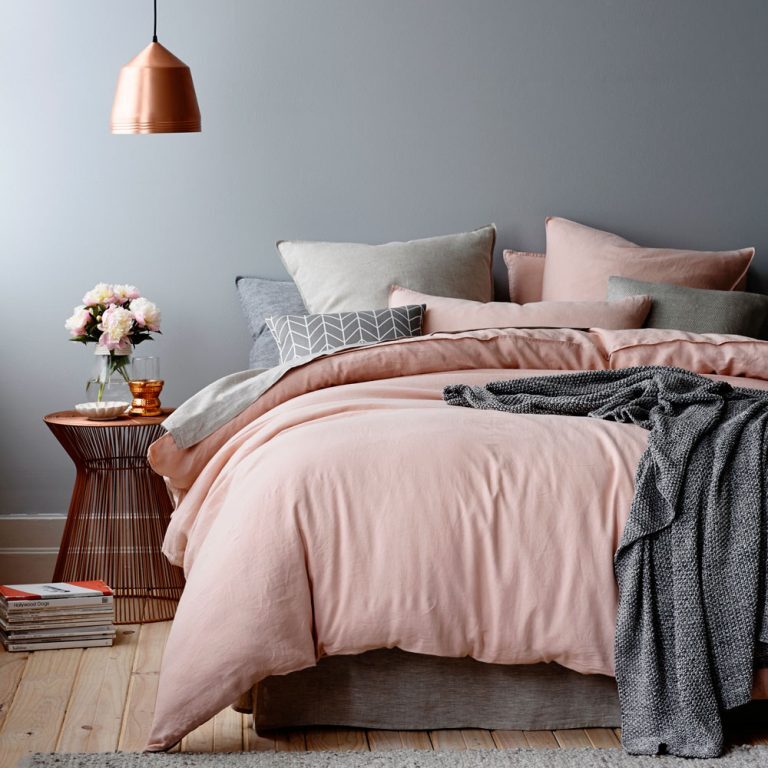
Creating a sleep sanctuary involves carefully curating the sensory experience of your bedroom. By focusing on light, sound, temperature, and scent, you can transform your sleeping space into a haven conducive to deep and restorative rest. This section delves into how to master these elements for optimal sleep.
Controlling Light Levels for Optimal Sleep
Light plays a critical role in regulating our body’s natural sleep-wake cycle, known as the circadian rhythm. Exposure to light, particularly blue light emitted from electronic devices, can suppress melatonin production, making it harder to fall asleep. Conversely, darkness signals to your brain that it’s time to rest.
- Blackout Curtains: Invest in high-quality blackout curtains or blinds that effectively block out all external light sources, such as streetlights, car headlights, and early morning sun.
- Dimmer Switches: Install dimmer switches on your bedroom lighting to gradually reduce light intensity as bedtime approaches. This helps your body wind down.
- Avoid Electronic Screens: Minimize the use of smartphones, tablets, and televisions in the bedroom at least an hour before sleep. If use is unavoidable, employ blue light filters or night mode settings.
- Soft, Warm Lighting: Opt for bedside lamps with warm-toned bulbs (around 2700 Kelvin) that emit a soft glow, creating a relaxing ambiance.
- Cover or Remove Light-Emitting Devices: Small indicator lights on electronics, such as chargers or alarm clocks, can be disruptive. Cover them with tape or reposition them so they don’t face your bed.
Effective Soundproofing Techniques for Bedrooms
Noise pollution is a common disruptor of sleep. Even subtle sounds can trigger micro-arousals, preventing you from reaching deeper, more restorative sleep stages. Implementing soundproofing measures can create a peaceful auditory environment.
- Seal Gaps and Cracks: Inspect your windows and doors for any gaps or cracks where sound can enter. Use weatherstripping or acoustic sealant to fill these openings.
- Thick Curtains and Rugs: Heavy, dense fabrics like thick curtains and plush rugs can absorb sound, reducing echoes and muffling external noises.
- Door Sweeps: Install a door sweep at the bottom of your bedroom door to block sound from entering the room.
- Acoustic Panels: For more significant noise issues, consider installing acoustic panels on walls. These panels are designed to absorb sound waves.
- White Noise Machines or Fans: While not strictly soundproofing, a consistent, low-level background noise from a white noise machine or a fan can mask disruptive sounds and create a more uniform soundscape.
The Impact of Temperature on Sleep Quality
Your body’s core temperature naturally drops as you prepare for sleep, and maintaining a cool environment can facilitate this process, leading to better sleep quality. An overly warm or cold room can cause discomfort and lead to frequent awakenings.
Research consistently indicates that the ideal sleep temperature for most adults falls between 60 to 67 degrees Fahrenheit (15.6 to 19.4 degrees Celsius). This range allows your body to efficiently lower its core temperature, which is a crucial signal for initiating and maintaining sleep. Deviations from this range can negatively impact sleep efficiency and duration. For instance, temperatures above 70°F (21°C) can lead to restlessness and difficulty staying asleep, while temperatures below 54°F (12°C) can cause discomfort and shivering, also disrupting sleep.
The Role of Scent in Promoting Relaxation and Sleep
Aromatherapy, the use of scents to promote well-being, can be a powerful tool in creating a relaxing atmosphere conducive to sleep. Certain fragrances have been shown to have calming effects on the nervous system, reducing stress and anxiety.
- Lavender: This is perhaps the most well-known scent for sleep. Studies suggest that inhaling lavender essential oil can slow heart rate, lower blood pressure, and improve sleep quality.
- Chamomile: Similar to lavender, chamomile has calming properties and is often used in herbal teas to promote relaxation. Its scent can help ease anxiety and prepare the mind for rest.
- Bergamot: While a citrus scent, bergamot has a unique ability to be both uplifting and calming. It can help reduce stress and create a more peaceful state of mind.
- Sandalwood: This woody, earthy scent has grounding properties that can help to quiet a racing mind and promote a sense of tranquility.
- Ylang-Ylang: Known for its sweet, floral aroma, ylang-ylang can help reduce stress hormones and promote a feeling of calm and well-being.
To incorporate these scents into your sleep sanctuary, consider using an essential oil diffuser, spritzing a pillow mist, or placing a few drops of essential oil on a cotton ball near your bedside. Ensure you use high-quality, pure essential oils and always follow dilution guidelines if applying to skin or using in a diffuser.
Furnishing for Comfort and Serenity
Creating a sleep sanctuary goes beyond just a comfortable bed; it involves a thoughtful selection of furniture that promotes relaxation and supports restful sleep. Each piece should contribute to an atmosphere of tranquility, minimizing distractions and maximizing your ability to unwind. This section will guide you through selecting the key furnishings that will transform your bedroom into a haven of serenity.The right furniture can significantly impact your sleep quality.
By prioritizing comfort, functionality, and aesthetic appeal, you can design a space that actively encourages deep and restorative sleep. Consider how each item will contribute to the overall mood and purpose of your bedroom as a place of rest.
Essential Furniture Items for a Sleep Sanctuary
To establish a truly effective sleep sanctuary, certain furniture pieces are paramount. These items are chosen not just for their utility but for their ability to foster an environment conducive to sleep. A well-curated selection ensures that your bedroom serves its primary purpose: providing a peaceful retreat.Here is a checklist of essential furniture items to consider for your sleep sanctuary:
- Bed Frame: The foundation of your sleep space. Opt for a sturdy frame that accommodates your mattress size and allows for adequate under-bed storage if needed. Consider designs that are free from sharp edges and have a calming visual presence. Platform beds or those with a minimalist design often contribute to a serene aesthetic.
- Nightstand(s): Essential for keeping bedside necessities within easy reach, such as a book, a glass of water, or a lamp. Choose a nightstand that complements your bed and offers sufficient surface area and drawer space without overwhelming the room.
- Dresser or Wardrobe: For storing clothing and linens, keeping your bedroom tidy and clutter-free. A well-organized storage solution is crucial for maintaining a peaceful environment. Opt for pieces with smooth-gliding drawers and a design that blends seamlessly with your room’s decor.
- Comfortable Seating (Optional): If space allows, a comfortable armchair or bench can provide a dedicated spot for reading or quiet reflection before sleep, separating sleep-related activities from other parts of your day.
- Mirror (Optional): A well-placed mirror can enhance the sense of space and light, but ensure it’s not positioned where it directly reflects your bed, which some find disruptive.
Mattress Selection for Optimal Sleep
The mattress is arguably the most critical piece of furniture in your sleep sanctuary, directly influencing your comfort and spinal alignment. Different types of mattresses offer unique benefits, catering to a variety of sleep positions, body weights, and personal preferences. Choosing the right mattress is an investment in your overall well-being.Understanding the characteristics of various mattress types will help you make an informed decision that best suits your individual sleep needs.
Consider factors such as support, pressure relief, and temperature regulation when evaluating your options.
Types of Mattresses and Their Benefits
To help you navigate the options, here’s a comparison of common mattress types:
- Innerspring Mattresses: These are the traditional mattresses, featuring a core of steel coils. They offer good support and airflow, which can help regulate temperature. Pocketed coils, where each spring is individually wrapped, reduce motion transfer, making them suitable for couples. Benefits include a bouncy feel and robust edge support.
- Memory Foam Mattresses: Known for their contouring properties, memory foam molds to your body, providing excellent pressure relief and minimizing motion transfer. They are ideal for side sleepers and individuals who experience joint pain. Different densities offer varying levels of firmness and support.
- Latex Mattresses: Made from natural or synthetic latex, these mattresses offer a responsive and supportive feel with good durability. They are naturally hypoallergenic and breathable, making them a good choice for those with allergies or who tend to sleep hot. Latex mattresses provide a buoyant feel, allowing for easy movement.
- Hybrid Mattresses: These combine the support of innerspring coils with the comfort layers of memory foam or latex. They aim to provide the best of both worlds: the bounce and airflow of innerspring with the contouring and pressure relief of foam. Hybrids are a versatile option for many sleep preferences.
Bedding Materials for Breathability and Softness
Once you have the right mattress, the next crucial element for a comfortable sleep sanctuary is your bedding. The materials used for your sheets, duvet covers, and pillowcases play a significant role in regulating body temperature, ensuring softness against your skin, and contributing to an overall feeling of luxury and relaxation.Prioritizing natural, breathable fabrics can prevent overheating and discomfort, promoting uninterrupted sleep.
The tactile experience of your bedding is as important as its functional properties in creating a truly inviting sleep environment.
Key Bedding Material Considerations
Here are the most important factors to consider when selecting bedding materials:
- Cotton: A popular choice due to its breathability, softness, and durability.
- Egyptian Cotton: Known for its long fibers, resulting in a stronger, softer, and more luxurious fabric with a higher thread count.
- Pima Cotton: Similar to Egyptian cotton, Pima cotton is soft, durable, and resistant to pilling.
- Organic Cotton: Grown without synthetic pesticides or fertilizers, offering a more sustainable and hypoallergenic option.
- Percale Weave: A crisp, cool, and breathable weave that is ideal for warmer climates or those who tend to sleep hot.
- Sateen Weave: Offers a smoother, silkier feel with a subtle sheen, providing a luxurious touch.
- Linen: Made from flax fibers, linen is exceptionally breathable, moisture-wicking, and becomes softer with each wash. It has a natural, relaxed texture and is excellent for regulating temperature, keeping you cool in summer and warm in winter.
- Bamboo: Often processed into rayon, bamboo fabric is known for its incredible softness, breathability, and hypoallergenic properties. It has a silky smooth feel and excellent moisture-wicking capabilities.
- Tencel™ Lyocell: A sustainable fabric made from wood pulp, Tencel™ is known for its exceptional softness, breathability, and moisture-wicking properties. It has a smooth, cool feel and is gentle on sensitive skin.
Pillow Selection for Personalized Support
Pillows are vital for supporting your head and neck, ensuring proper spinal alignment throughout the night. The right pillow can alleviate neck pain and improve sleep quality, while an incorrect one can lead to discomfort and disrupted rest. Choosing a pillow that matches your preferred sleeping position is key to achieving optimal comfort and support.Understanding the different types of pillows and their specific benefits for various sleeping styles will help you find the perfect pillow for your sleep sanctuary.
A good pillow is not just an accessory; it’s an integral part of your sleep system.
Pillow Types and Their Suitability for Sleeping Positions
Here is a guide to selecting the right pillow based on your sleeping position:
- Side Sleepers: Require a firmer, thicker pillow to fill the gap between the head and shoulder, keeping the spine aligned.
- Recommended Materials: Memory foam, firm down or feather blends, or latex.
- Back Sleepers: Need a medium-thickness pillow that supports the natural curve of the neck without pushing the head too far forward.
- Recommended Materials: Medium-firm memory foam, buckwheat, or a down/feather blend.
- Stomach Sleepers: Generally benefit from a very thin, soft pillow to minimize neck strain, or no pillow at all.
- Recommended Materials: Soft down or feather pillows, or a thin layer of shredded memory foam.
- Combination Sleepers: Those who switch positions frequently may need a versatile pillow that offers a balance of support and comfort.
- Recommended Materials: Adjustable fill pillows (like those with shredded memory foam or buckwheat), or medium-firm down or feather blends that can be fluffed and reshaped.
Decluttering and Organization: A Calm Space

Creating a sleep sanctuary involves more than just comfortable furnishings and soothing sensory elements; it also necessitates a serene and organized environment. Visual clutter can contribute to mental clutter, making it harder to relax and unwind. By thoughtfully decluttering and organizing your bedroom, you can foster a more peaceful atmosphere conducive to restful sleep.A well-organized space minimizes distractions and promotes a sense of order, which can translate into a calmer mind.
This section will guide you through effective strategies to achieve a decluttered and organized bedroom, ensuring it truly serves as a haven for sleep.
Bedroom Decluttering Methods
Reducing visual distractions is paramount to creating a tranquil bedroom. A cluttered environment can trigger stress and anxiety, making it difficult to switch off from the day’s demands. Implementing consistent decluttering practices will help maintain a serene atmosphere.Here are effective methods for decluttering your bedroom:
- The One-In, One-Out Rule: For every new item that enters your bedroom, aim to remove a similar item. This prevents accumulation and encourages mindful purchasing.
- Categorization and Sorting: Group similar items together (e.g., books, clothing, accessories) and then decide what to keep, donate, discard, or relocate.
- Regular Mini-Declutters: Dedicate 10-15 minutes each day or a longer session weekly to quickly tidy up surfaces, put away stray items, and maintain order.
- Vertical Storage Solutions: Utilize wall shelves, tall dressers, and stackable drawers to maximize space and keep items off the floor and surfaces.
- Seasonal Purges: Conduct more thorough decluttering sessions seasonally, particularly for clothing and linens, to reassess what you truly need and use.
Organizing Bedroom Essentials
Once decluttering is complete, strategic organization is key to maintaining a serene atmosphere. Keeping essentials tidy and accessible reduces the effort required to maintain order, further contributing to a peaceful environment.Consider these strategies for organizing your bedroom essentials:
- Drawer Dividers and Organizers: Use dividers in drawers for clothing, socks, underwear, and accessories to keep them neat and easy to find.
- Bedside Table Management: Limit items on your bedside table to essentials like a lamp, a book, and perhaps a glass of water. Utilize drawers or small organizers for other necessities.
- Closet Optimization: Invest in matching hangers, consider shelf dividers, and use storage bins for seasonal items or accessories to maximize closet space and visual appeal.
- Designated Zones: Assign specific places for items like charging cables, jewelry, or toiletries. This prevents them from scattering and becoming a source of visual noise.
- “Out of Sight, Out of Mind”: Utilize closed storage solutions like cabinets, drawers, and decorative boxes to store items that might otherwise contribute to clutter.
Creating a Digital Detox Zone
In today’s connected world, a “digital detox” zone is crucial for a sleep sanctuary. The blue light emitted from screens can disrupt melatonin production, and the constant influx of notifications can stimulate the brain, hindering relaxation. Designating a specific area for digital devices helps create a clear boundary between technology and sleep.Follow these steps to establish a digital detox zone:
- Choose a Location: Select a designated spot, ideally away from your bed, where devices will be placed during sleep hours. This could be a charging station on a dresser, a shelf, or even a small basket.
- Establish Charging Habits: Make it a habit to charge your devices in this designated zone before bedtime. This prevents them from being near your bed.
- Implement a “No Phone in Bed” Rule: Strictly enforce a rule that no electronic devices are allowed in your bed. This includes phones, tablets, and laptops.
- Utilize Alarms: If you rely on your phone for an alarm, consider investing in a simple, non-smart alarm clock. This eliminates the temptation to check your phone upon waking.
- Set a “Tech Curfew”: Establish a time (e.g., one hour before bed) after which all electronic devices are put away in the digital detox zone.
Incorporating Calming Decor Elements
Thoughtful decor can enhance the serenity of your sleep sanctuary without overwhelming the space. The key is to select items that evoke a sense of calm and tranquility, contributing to a visually peaceful environment.Consider these approaches for incorporating calming decor:
- Minimalist Aesthetic: Embrace a less-is-more philosophy. Opt for a few well-chosen decorative items rather than an abundance of small trinkets.
- Natural Elements: Introduce elements from nature, such as a small potted plant, smooth stones, or a piece of driftwood. These can bring a sense of grounding and peace.
- Soft Textures: Incorporate soft, tactile elements like plush throws, comfortable cushions, and textured rugs. These add warmth and coziness.
- Meaningful Art: Display artwork that you find personally soothing or inspiring. Abstract pieces with calming colors or serene landscapes can be excellent choices.
- Soft Lighting Accents: Beyond your primary light source, consider adding subtle accent lighting, such as a string of fairy lights or a small decorative lamp, to create a gentle ambiance.
Enhancing Ambiance

Creating a sleep sanctuary involves more than just comfortable furniture and a tidy space; it’s about cultivating an atmosphere that signals relaxation and prepares your mind for rest. This section delves into the art of using lighting and decor to transform your bedroom into a haven of tranquility.The visual and sensory elements of your bedroom play a significant role in your ability to unwind.
By thoughtfully selecting colors, incorporating natural elements, and layering lighting, you can create a space that not only looks appealing but also actively promotes a sense of calm and encourages deeper sleep.
Layered Lighting for Relaxation
Effective lighting in a bedroom is about creating a mood, not just providing illumination. Layering different types of light allows you to adjust the brightness and focus, catering to various activities and times of day, ultimately contributing to a more peaceful environment conducive to sleep.Consider these approaches to layering light:
- Ambient Lighting: This provides overall illumination. Opt for dimmable overhead fixtures with warm-toned bulbs (around 2700K). Smart bulbs that can be controlled via an app or voice command offer excellent flexibility, allowing you to dim them gradually as bedtime approaches.
- Task Lighting: This is for specific activities like reading. Bedside lamps with adjustable arms are ideal. Choose lampshades that diffuse light softly, avoiding harsh glare. The light should be focused downwards to create a cozy reading nook.
- Accent Lighting: This adds subtle warmth and visual interest. Think about string lights with a warm glow, or a small, dimmable lamp placed on a dresser or shelf. These can create a gentle, inviting atmosphere without being overly bright.
The key is to have multiple light sources that can be controlled independently, allowing you to tailor the light to your needs and preferences throughout the evening.
Calming Color Palettes for Sleep
Color psychology suggests that certain hues have a direct impact on our mood and physiological responses. For a sleep sanctuary, the goal is to choose colors that evoke feelings of peace, serenity, and security, thereby promoting relaxation and aiding in the transition to sleep.Here are some calming color palettes known to promote sleep:
- Soft Blues and Greens: These colors are reminiscent of nature – the sky, the ocean, and lush foliage. They are inherently calming and can help to lower heart rate and blood pressure. Think muted teals, dusty blues, sage green, or seafoam green.
- Earthy Neutrals: Warm beiges, soft grays, muted taupes, and creamy whites create a sophisticated and tranquil backdrop. These colors are grounding and provide a sense of stability and comfort.
- Muted Lavenders and Pinks: These softer, pastel versions of purple and pink can have a soothing effect. Lavender is often associated with relaxation and stress relief, while a pale, dusty rose can add a touch of gentle warmth.
When selecting colors, consider the undertones. For example, a cool gray might feel too stark, while a gray with warm undertones can feel more inviting. It’s also beneficial to use these colors in varying shades and tones to add depth and prevent the room from feeling monotonous.
Incorporating Natural Elements
Integrating natural elements into your bedroom decor not only enhances its aesthetic appeal but also contributes to a healthier and more serene environment. Plants, in particular, offer a dual benefit of improving air quality and adding a touch of organic beauty.The presence of natural elements can significantly enhance the sleep sanctuary experience:
- Plants for Air Quality and Aesthetics: Certain houseplants are known for their air-purifying qualities, helping to remove toxins like formaldehyde and benzene from the air. Examples include Snake Plants (Sansevieria), Spider Plants (Chlorophytum comosum), and Peace Lilies (Spathiphyllum). Beyond their air-cleaning capabilities, plants introduce life, color, and a sense of calm, connecting the indoor space with the outdoors. Place them strategically where they receive appropriate light without directly illuminating your sleeping area.
- Natural Materials: Incorporate materials like wood, rattan, and stone through furniture, decorative accents, or even wall treatments. These materials bring an organic texture and warmth to the space, fostering a sense of grounding and connection to nature.
- Water Features: A small, quiet tabletop fountain can introduce the gentle sound of flowing water, which many find incredibly relaxing and conducive to sleep. Ensure it’s a model that operates silently to avoid any disruptive noise.
These natural additions help to create a more holistic and restorative atmosphere, moving beyond mere visual appeal to engage multiple senses in promoting relaxation.
Soft Textures and Materials for Enhanced Comfort
The tactile experience of your bedroom is as crucial as its visual appeal when creating a sleep sanctuary. Soft, comforting textures invite touch and encourage a sense of coziness and security, making your bedroom a true refuge.To enhance comfort through textures and materials:
- Bedding: Invest in high-quality bedding made from natural fibers like cotton, linen, or bamboo. These materials are breathable and feel soft against the skin. Consider layering with a plush duvet, a soft throw blanket, and an abundance of comfortable pillows in varying textures.
- Rugs and Carpets: A soft rug underfoot can instantly make a room feel warmer and more inviting. Opt for materials like wool, shag, or a thick pile carpet that feels luxurious and provides a gentle cushion.
- Upholstered Furniture: If you have an armchair or ottoman, choose one with soft, tactile upholstery like velvet, chenille, or a brushed cotton. These materials add a layer of plushness and comfort.
- Curtains and Drapes: Opt for curtains made from heavier, soft fabrics like velvet or a thick linen blend. These not only add a touch of elegance but also help to block out light and dampen sound, further enhancing the tranquil atmosphere.
By thoughtfully selecting and layering these soft textures, you create a sensory experience that cocoons you in comfort, signaling to your body and mind that it’s time to relax and rest.
Creating Rituals for Sleep
Establishing a consistent pre-sleep routine is a cornerstone of cultivating a truly restful sleep environment. This ritual acts as a signal to your body and mind that it’s time to transition from the day’s activities to a state of relaxation and preparation for sleep. By engaging in calming activities, you can significantly improve your ability to fall asleep faster and experience deeper, more restorative sleep.The importance of a pre-sleep routine lies in its ability to create a predictable pathway to sleep.
When you consistently perform the same set of calming actions before bed, your brain begins to associate these activities with winding down. This association helps to reduce the mental stimulation that can keep you awake, allowing you to drift off more easily. It’s about creating a deliberate pause, a buffer zone between the demands of the day and the quietude of the night.
The Benefits of a Consistent Pre-Sleep Routine
A well-structured bedtime routine offers a multitude of benefits that contribute to overall sleep quality and well-being. These routines help to regulate your body’s natural sleep-wake cycle, also known as the circadian rhythm. By signaling to your body that it’s time to prepare for rest, you can reduce the time it takes to fall asleep and minimize instances of waking during the night.
Furthermore, these rituals provide a mental reset, allowing you to release the stresses and anxieties of the day, which are common culprits for sleep disturbances.
Relaxing Activities for Your Bedtime Ritual
Incorporating a variety of soothing activities into your pre-sleep routine can significantly enhance its effectiveness. The key is to choose activities that you find genuinely relaxing and enjoyable, as this will make the routine sustainable and beneficial.Here are some examples of relaxing activities to consider:
- Reading: Opt for a physical book rather than an e-reader to avoid blue light exposure. Choose genres that are calming, such as fiction or poetry, rather than intense thrillers or news articles.
- Gentle Stretching or Yoga: Light physical activity can release muscle tension and promote relaxation. Focus on slow, deliberate movements and deep breathing.
- Listening to Calming Music or Podcasts: Instrumental music, nature sounds, or podcasts with soothing narratives can help to quiet a busy mind.
- Warm Bath or Shower: The rise and subsequent fall in body temperature after a warm bath can mimic the natural drop in temperature that occurs before sleep, signaling your body to feel drowsy.
- Journaling: Writing down your thoughts, worries, or gratitudes can help to process emotions and clear your mind before sleep.
- Herbal Tea: Certain herbal teas, like chamomile or valerian root, are known for their calming properties and can promote relaxation.
Mindfulness and Meditation for Winding Down
Mindfulness and meditation are powerful tools for cultivating a tranquil state of mind, making them ideal additions to a pre-sleep routine. These practices train your attention to focus on the present moment without judgment, which can be incredibly effective in quieting racing thoughts and reducing anxiety. By regularly engaging in mindfulness or meditation, you can learn to detach from stressful thoughts and cultivate a sense of inner peace, making the transition to sleep much smoother.
“The present moment is filled with joy and happiness. If you are attentive, you will see this.”
Thich Nhat Hanh
Regular meditation practice can lead to significant changes in brain activity, promoting states of relaxation and reducing the physiological markers of stress. Even short, consistent sessions can yield noticeable improvements in your ability to relax and fall asleep.
Preparing Your Bedroom for Sleep: A Simple Sequence
To further enhance your pre-sleep ritual, dedicate a few minutes to preparing your bedroom environment specifically for sleep. This physical preparation reinforces the mental transition and creates a sanctuary conducive to rest.Here is a simple sequence of actions to prepare your bedroom for sleep:
- Dim the Lights: Lower the lighting in your bedroom to signal to your body that it’s time to wind down.
- Ensure Optimal Temperature: Adjust your thermostat to a cool, comfortable temperature, typically between 60-67°F (15-19°C).
- Minimize Noise: Close windows and doors to block out external sounds. Consider using a white noise machine or earplugs if necessary.
- Remove Electronics: Turn off or remove any distracting electronic devices, such as televisions or smartphones, from your immediate sleep area.
- Tidy Up: A quick tidy of your bedside table or immediate surroundings can create a visual sense of calm.
Addressing Common Sleep Sanctuary Challenges

Creating a haven for sleep is a rewarding endeavor, but it’s natural to encounter obstacles along the way. This section delves into common challenges and provides practical, actionable solutions to ensure your sleep sanctuary remains effective and restorative, regardless of your circumstances.Even with the best intentions, external factors and differing personal needs can impact the tranquility of your sleep space.
By proactively addressing these potential disruptions, you can maintain a consistent and peaceful environment conducive to deep, rejuvenating sleep.
Small Living Spaces and Sleep Sanctuary Creation
Creating a dedicated sleep sanctuary can seem daunting in smaller homes or apartments where space is at a premium. However, thoughtful design and strategic choices can transform even compact areas into serene retreats. The key lies in maximizing functionality and minimizing visual clutter to create a sense of spaciousness and calm.When space is limited, consider multi-functional furniture that serves a dual purpose, such as a storage ottoman that doubles as a bedside table or a bed frame with integrated drawers.
Vertical space can also be utilized effectively with wall-mounted shelves for books or decorative items, keeping the floor clear and the room feeling more open. The color palette should lean towards lighter, calming hues to enhance the perception of space and promote relaxation.
Managing External Noise Disruptions
Noise pollution from outside the home is a significant impediment to restful sleep for many. Addressing these auditory intrusions is crucial for establishing a truly tranquil sleep environment. Implementing a multi-layered approach can effectively mitigate external sounds, allowing for uninterrupted slumber.Effective strategies for noise management include:
- Soundproofing Measures: Installing thicker curtains or drapes can absorb sound. Consider adding weatherstripping around doors and windows to seal gaps where noise can enter. For more significant noise issues, explore options like acoustic panels or double-glazed windows.
- White Noise Machines or Fans: These devices create a consistent, soothing background sound that can mask more jarring external noises. The steady hum can create a predictable auditory environment, making it easier to tune out distractions.
- Earplugs: High-quality, comfortable earplugs can be an effective personal solution for blocking out unwanted sounds. Experiment with different types to find ones that offer both comfort and effective noise reduction.
Creating a Restful Environment for Couples with Different Sleep Needs
Accommodating divergent sleep schedules, preferences for light, or sensitivities to temperature between partners is a common challenge in shared bedrooms. The goal is to create a sleep sanctuary that respects individual needs while fostering a shared sense of peace and connection. Open communication and compromise are foundational to achieving this balance.Strategies for harmonizing different sleep needs include:
- Adjustable Bedding: Consider separate duvets or blankets to allow each partner to control their own temperature. Adjustable beds can also offer individual comfort settings for firmness and elevation.
- Light Management: If one partner needs complete darkness and the other prefers a dim nightlight, consider using blackout curtains for the primary sleeping area and a separate, dimmable light source for a reading nook or path to the bathroom. Smart bulbs that can be controlled remotely with different settings can also be beneficial.
- Sleep Schedule Alignment: While perfect synchronization may not always be possible, discuss and agree on quiet hours in the bedroom. If one partner works early or late, establish routines that minimize disruption to the other’s sleep.
- Dedicated Relaxation Zones: If feasible, create small, distinct areas within the bedroom or adjacent spaces for activities like reading or quiet hobbies, allowing for different routines without disturbing the other’s sleep.
Maintaining the Sleep Sanctuary Over Time
The effectiveness of a sleep sanctuary is not a one-time creation but an ongoing practice. Regular maintenance ensures that your dedicated space continues to promote deep sleep and well-being. This involves consistent attention to cleanliness, organization, and the renewal of elements that contribute to its restful atmosphere.To ensure the continued effectiveness of your sleep sanctuary:
- Regular Decluttering: Schedule brief, regular tidying sessions to prevent clutter from accumulating. A quick five-minute tidy each evening can make a significant difference.
- Seasonal Refresh: Periodically review and update elements of your sleep sanctuary. This might involve changing bedding with the seasons, refreshing aromatherapy scents, or reassessing the effectiveness of your noise-mitigation strategies.
- Mindful Consumption: Be intentional about what you bring into your sleep space. Avoid introducing electronics that are not essential for sleep or items that create visual or mental clutter.
- Re-evaluate Rituals: As life circumstances change, your sleep rituals may need adjustment. Regularly assess whether your pre-sleep routine is still serving its purpose and make modifications as needed.
Summary
In essence, transforming your home into a “Sleep Sanctuary” is an achievable and rewarding endeavor. By thoughtfully considering each element, from the ambient light and sound to the comfort of your bedding and the serenity of your surroundings, you are investing in your overall health and happiness. Embrace these principles to cultivate a space that not only invites sleep but actively nurtures your well-being, night after restorative night.