How to Create a Relaxing Bedtime Routine That Actually Works is your guide to unlocking the secrets of restful sleep. This exploration delves into the profound impact of a consistent pre-sleep ritual on both your physical and mental well-being, offering practical strategies to combat common sleep disruptors and elevate your nightly slumber.
Discover the physiological and psychological benefits of a well-structured wind-down period. We will explore how understanding the importance of a bedtime routine, identifying its key components, and designing a personalized ritual can significantly improve sleep quality. This comprehensive approach aims to empower you to create a routine that not only works but becomes a cherished part of your evening.
Understanding the Importance of a Bedtime Routine

Establishing a consistent bedtime routine is more than just a pleasant habit; it is a fundamental pillar for achieving optimal sleep quality and overall well-being. This structured sequence of activities signals to your body and mind that it is time to transition from the demands of the day to a state of rest, promoting both physiological and psychological benefits that are crucial for health.A well-defined pre-sleep ritual acts as a powerful regulator for your internal body clock, also known as the circadian rhythm.
This internal clock governs your sleep-wake cycle, and when it is consistently supported, it leads to more predictable and restorative sleep. Psychologically, a routine provides a sense of control and predictability, which can significantly reduce anxiety and stress that often interfere with falling asleep. This predictable transition helps to quiet a racing mind and prepare the body for the deep relaxation necessary for sleep.
Physiological and Psychological Benefits of a Consistent Pre-Sleep Ritual
The benefits of a regular bedtime routine extend deeply into our physical and mental health. Physiologically, consistent pre-sleep rituals help to regulate the release of hormones like melatonin, the “sleep hormone,” and cortisol, the “stress hormone.” This hormonal balance is essential for initiating and maintaining sleep. A predictable routine can also lead to a lower heart rate and blood pressure, creating a calmer internal environment conducive to sleep.
Psychologically, the act of performing the same sequence of calming activities each night builds a strong association between these actions and sleep, making it easier to drift off. This mental preparation reduces the rumination and worry that can keep individuals awake, fostering a sense of peace and readiness for rest.
Common Sleep Disruptors Counteracted by a Good Routine
Many common habits and environmental factors can disrupt our sleep, but a well-structured bedtime routine can effectively counteract them. One of the most significant disruptors is exposure to blue light from electronic devices, which suppresses melatonin production and signals to the brain that it is daytime. A routine that mandates avoiding screens an hour or two before bed directly combats this.
Another disruptor is irregular sleep schedules, which confuse the body’s natural circadian rhythm. A consistent routine reinforces a regular sleep-wake cycle, even on weekends, helping to keep the body clock on track. Furthermore, stress and anxiety, often exacerbated by a chaotic evening, can be significantly managed. A routine incorporating relaxation techniques can effectively diffuse this mental arousal, making it easier to fall asleep.
Impact of a Structured Wind-Down Period on Sleep Quality
A structured wind-down period, the core of a bedtime routine, has a profound impact on sleep quality. This dedicated time allows for a gradual deceleration of mental and physical activity, moving the body from a state of alertness to one of relaxation. This transition is crucial for achieving deeper and more restorative sleep stages, such as slow-wave sleep and REM sleep.
Without a wind-down period, individuals may fall asleep quickly but experience more fragmented sleep, frequent awakenings, and less time spent in these crucial restorative stages. The consistent practice of a wind-down routine trains the brain to associate the pre-sleep activities with the onset of sleep, reducing the time it takes to fall asleep and improving the overall efficiency of the sleep cycle.
“A consistent bedtime routine is a powerful signal to your brain and body that it’s time to transition from wakefulness to rest, leading to more restorative sleep.”
Identifying Key Components of an Effective Routine
Crafting a bedtime routine that genuinely promotes relaxation and sleep involves thoughtfully selecting activities that signal to your body and mind that it’s time to wind down. This isn’t about a rigid, one-size-fits-all approach, but rather about understanding the principles that make a routine effective and tailoring them to your personal needs. The goal is to create a predictable sequence of events that reduces stress and prepares you for restful sleep.An effective bedtime routine is built upon several pillars: universally beneficial relaxation activities, an optimized sleep environment, and unwavering consistency.
By integrating these elements, you can build a powerful habit that significantly improves sleep quality and overall well-being.
Universally Beneficial Relaxation Activities
Incorporating specific activities into your evening can significantly enhance your ability to relax and transition into sleep. These practices are designed to calm the nervous system, reduce mental chatter, and prepare your body for rest.Here is a list of activities widely recognized for their sleep-promoting benefits:
- Reading a physical book: Engaging with a story or informative text can distract from daily worries and provide a gentle mental escape. It’s important to choose calming genres and avoid stimulating or overly complex material.
- Gentle stretching or yoga: Performing light, restorative stretches can release physical tension accumulated throughout the day, promoting a sense of ease and comfort.
- Meditation or deep breathing exercises: These practices train the mind to focus on the present moment, quieting racing thoughts and reducing anxiety. Techniques like diaphragmatic breathing can activate the body’s relaxation response.
- Listening to calming music or podcasts: Soothing melodies, nature sounds, or guided meditations can create a peaceful auditory environment conducive to sleep.
- Taking a warm bath or shower: The rise and subsequent fall in body temperature after a warm bath can mimic the natural temperature drop that occurs before sleep, signaling to the body that it’s time to rest.
- Journaling: Writing down thoughts, worries, or gratitudes can help to externalize and process emotions, preventing them from lingering in your mind as you try to sleep.
The Role of Environment in Promoting Sleep
The environment in which you sleep plays a critical role in its quality and restorative power. Creating a sleep sanctuary that is optimized for rest can significantly enhance your ability to fall asleep and stay asleep.Key environmental factors to consider include:
- Darkness: Complete darkness is essential for the production of melatonin, a hormone that regulates sleep-wake cycles. Even small amounts of light can disrupt this process. Investing in blackout curtains or using a comfortable eye mask can be highly effective.
- Temperature: A cool room is generally more conducive to sleep. The ideal temperature often falls between 60-67 degrees Fahrenheit (15-19 degrees Celsius). This slight drop in body temperature helps initiate and maintain sleep.
- Quiet: Minimizing noise disturbances is crucial. If complete silence is not possible, consider using earplugs or a white noise machine to mask disruptive sounds.
- Comfort: Your mattress, pillows, and bedding should be comfortable and supportive. Ensuring these elements are well-suited to your preferences can greatly improve sleep quality.
The Significance of Consistency in Establishing a Routine
Consistency is arguably the most vital component in establishing any habit, and a bedtime routine is no exception. Regularly following the same sequence of activities helps to condition your body and mind, making the transition to sleep more automatic and effortless.
“Consistency is key to building effective habits. When you consistently perform certain actions before bed, your body begins to associate those actions with sleep, creating a powerful cue for rest.”
The benefits of consistency include:
- Reinforcing the sleep-wake cycle: Going to bed and waking up at roughly the same time each day, even on weekends, helps to regulate your circadian rhythm, your body’s internal clock. This makes it easier to fall asleep and wake up naturally.
- Reducing decision fatigue: By having a pre-determined routine, you eliminate the need to decide what to do each night. This reduces mental effort and allows you to simply follow the established steps.
- Building a strong association: The more consistently you engage in your chosen relaxation activities, the stronger the association between those activities and sleep becomes. This can make it easier to drift off even on nights when you might otherwise feel restless.
- Adaptability: While consistency is important, a truly effective routine also allows for some flexibility. However, the core elements should remain stable to maintain the conditioning effect.
Designing a Personalized Bedtime Ritual
Creating a bedtime routine that truly works for you is less about following a rigid set of rules and more about crafting a personalized experience that nurtures your mind and body. This section will guide you through designing a ritual that aligns with your unique lifestyle, preferences, and the specific needs of your body. We will explore how to blend different elements into a cohesive sequence and provide tools to help you assess its effectiveness.A successful bedtime ritual is a symphony of activities, each playing a part in signaling to your brain and body that it’s time to wind down.
By thoughtfully selecting and arranging these components, you can transform your transition into sleep from a struggle into a soothing experience.
Sample Bedtime Routine Framework
To illustrate how various elements can be combined, consider this sample routine. It incorporates activities from physical relaxation, mental unwinding, and sensory engagement, offering a balanced approach to preparing for sleep. Remember, this is a template, and the true magic happens when you adapt it to fit your life.
- Physical Relaxation (30-45 minutes before bed):
- Gentle Stretching or Yoga: Focus on poses that release tension in the neck, shoulders, and back.
- Warm Bath or Shower: Adding Epsom salts or a few drops of lavender essential oil can enhance relaxation.
- Light Reading: Choose a physical book (not on a screen) with a calming narrative.
- Mental Unwinding (15-30 minutes before bed):
- Journaling: Write down thoughts, worries, or gratitudes to clear your mind.
- Meditation or Deep Breathing Exercises: Even 5-10 minutes can significantly reduce mental chatter.
- Listening to Calming Music or a Podcast: Opt for instrumental music or a soothing narrative.
- Sensory Engagement (5-10 minutes before bed):
- Aromatherapy: Diffuse lavender, chamomile, or sandalwood essential oils.
- Herbal Tea: Sip on chamomile, valerian root, or passionflower tea.
- Dim Lighting: Ensure your bedroom is dark and free from blue light.
Adapting Components to Lifestyle and Preferences
The effectiveness of any bedtime routine hinges on its personal relevance. What one person finds relaxing, another might find stimulating or impractical. Therefore, it’s crucial to approach the design process with flexibility and self-awareness. Consider your daily schedule, your energy levels at the end of the day, and the activities that genuinely bring you a sense of peace.Here’s a framework to help you tailor these components:
- Assess Your Current Habits: Before implementing new activities, understand what you’re already doing before bed. Are you scrolling through social media? Watching intense TV shows? Identifying these habits is the first step to replacing them with more beneficial ones.
- Identify Your “Wind-Down” Triggers: What activities naturally make you feel calmer? For some, it’s a quiet cup of tea; for others, it’s listening to a specific genre of music. Pay attention to these innate preferences.
- Prioritize and Select: You don’t need to incorporate every suggested activity. Choose 2-3 core activities that resonate most with you from the physical, mental, and sensory categories. For example, if you have limited time, a warm shower followed by 10 minutes of deep breathing might be more feasible than a full yoga session.
- Schedule Realistically: Block out time for your routine in your daily calendar. Be honest about how much time you can commit. A shorter, consistently followed routine is more effective than an ambitious one that is frequently skipped.
-
Experiment with Variations: Don’t be afraid to swap out activities or adjust timings. If reading a book feels like a chore, try listening to an audiobook. If a particular scent doesn’t appeal, explore others. The goal is to find what works for
-you*.
Assessing Routine Effectiveness Checklist
Once you’ve designed and implemented your personalized bedtime routine, regular assessment is key to ensuring it’s delivering the desired results. This checklist provides a structured way to evaluate your progress and make necessary adjustments.
Before using this checklist, commit to your new routine for at least one to two weeks to allow your body and mind time to adapt. Rate each statement on a scale of 1 to 5, where 1 is “Strongly Disagree” and 5 is “Strongly Agree.”
| Assessment Area | Statement | Your Rating (1-5) | Notes/Observations |
|---|---|---|---|
| Ease of Transition | I find it easier to disengage from daily activities once my routine begins. | ||
| My mind feels less cluttered and anxious as I progress through my routine. | |||
| The transition from my routine to getting into bed feels natural and unforced. | |||
| Sleep Quality | I fall asleep more quickly after implementing this routine. | ||
| I experience fewer awakenings during the night. | |||
| I feel more rested and refreshed upon waking. | |||
| Personal Enjoyment & Sustainability | I genuinely look forward to performing the activities in my routine. | ||
| My routine feels manageable within my daily schedule. | |||
| I feel motivated to continue this routine in the long term. |
Review your ratings and notes. If your average score is below 4 for any section, consider revisiting the components of your routine within that area. For instance, if “Ease of Transition” is low, you might need to incorporate more calming activities or adjust the duration of your existing ones. If “Sleep Quality” is not improving, it might be time to re-evaluate the types of activities or their timing.
Remember, this is an iterative process, and continuous refinement will lead to a bedtime ritual that truly works for you.
Practical Steps for Implementing Your Routine
Transitioning to a new bedtime routine can feel daunting, but with a thoughtful approach, it can become a seamless and beneficial part of your evening. This section provides actionable strategies to help you integrate your personalized ritual and overcome common challenges, ensuring its long-term effectiveness.
Gradual Habit Introduction
Introducing new habits should be a deliberate process, focusing on one or two changes at a time to avoid overwhelming your existing schedule. This incremental approach allows your mind and body to adapt without feeling deprived or overly restricted. Start by identifying the most impactful change you want to make and focus solely on establishing that habit before adding another.
For instance, if your goal is to reduce screen time before bed, begin by setting a strict cutoff time for electronic devices, even if it means you have a bit more unstructured time initially. Once this feels natural, you can then incorporate another element, such as a short reading session or gentle stretching.This method is often more sustainable than attempting a complete overhaul of your evening.
Consider the following strategy for integrating new habits:
- Identify a single, manageable habit: Choose one small, achievable change to start with, such as drinking a glass of water or performing a 5-minute mindfulness exercise.
- Dedicate a specific time: Assign a consistent time slot in your evening for this new habit, ideally before your existing wind-down activities begin.
- Focus on consistency: Aim to perform this habit every night for at least two weeks. This repetition is key to forming a new neural pathway.
- Gradually add complexity: Once the initial habit is established, introduce another small change, or slightly extend the duration of the existing one. For example, if you started with 5 minutes of reading, increase it to 10 minutes.
- Review and adjust: Periodically assess how the new habit is fitting into your routine and make minor adjustments as needed to maintain flow and reduce friction.
Overcoming Routine Obstacles
Life is unpredictable, and it’s natural to encounter challenges that disrupt your carefully crafted bedtime routine. Recognizing these common obstacles and having strategies in place to address them is crucial for maintaining consistency and resilience. Stress and time constraints are perhaps the most frequent disruptors. When faced with a particularly demanding day, the temptation to skip your routine in favor of immediate rest or other pressing tasks can be strong.
However, it’s precisely during these times that your routine can be most beneficial, offering a structured transition to calm your nervous system.Here are effective strategies for navigating common obstacles:
- For Stress: If stress is high, simplify your routine. Instead of a full hour of winding down, opt for a 15-minute version. This might include deep breathing exercises, listening to calming music, or a brief journaling session to release thoughts. The key is to engage in a calming activity, even a shortened one. For example, a study published in the
-Journal of Sleep Research* found that even brief relaxation techniques before bed can significantly improve sleep quality in individuals experiencing stress. - For Time Constraints: When time is limited, prioritize the most impactful elements of your routine. If you only have 10 minutes, choose one core activity, such as a quick meditation or a few pages of a book, over trying to cram in multiple activities. Another approach is to front-load your routine by starting your wind-down earlier in the evening, perhaps by preparing for the next day before dinner.
This frees up precious time later.
- For Lack of Motivation: Remind yourself of the benefits of your routine. Keep a “benefit log” where you jot down how much better you feel after consistently following your routine. Visualizing the positive outcomes can be a powerful motivator.
- For Unexpected Disruptions: If your routine is completely derailed by an unforeseen event, don’t view it as a failure. Simply resume your routine the following night. Avoid the “all or nothing” mindset, which can lead to giving up entirely. A single missed night does not negate the progress you’ve made.
Tracking Progress and Making Adjustments
To ensure your bedtime routine remains effective and sustainable, it’s essential to monitor your progress and be willing to make necessary adjustments. This proactive approach allows you to identify what’s working well, what needs tweaking, and to celebrate your successes, reinforcing the positive habits you’re building. Tracking your routine provides valuable data that informs your decisions and keeps you accountable.Consider these methods for tracking and adjusting your routine:
- Daily Logbook or App: Maintain a simple journal or use a habit-tracking app to record whether you completed each element of your routine each night. Note down how you felt upon waking and throughout the day. For example, you might record: “Completed 30-minute reading session. Felt rested and less groggy in the morning.”
- Sleep Quality Assessment: Beyond simply tracking completion, pay attention to your sleep quality. Use a rating scale (e.g., 1-5) to assess how easily you fell asleep, how restful your sleep was, and if you experienced any awakenings. Compare these ratings to nights when you followed your routine versus nights when you didn’t.
- Regular Review Sessions: Schedule a weekly or bi-weekly review of your logbook or app data. Look for patterns. Are there specific activities that consistently lead to better sleep? Are there others that seem to be less effective or are difficult to implement?
- Incorporate Feedback: If you notice that a particular element of your routine is consistently causing you to delay bedtime or is not contributing to relaxation, don’t hesitate to modify or replace it. For instance, if you find that a lengthy meditation is making you restless, try a shorter guided meditation or a simple body scan. The goal is to create a routine that
-serves* you, not one that feels like a chore. - Listen to Your Body: Ultimately, the best adjustments are those that align with your body’s signals. If you’re feeling unusually tired, it might be a sign to shorten your routine or focus on a more restorative activity. If you’re feeling energized, you might have room to incorporate a new element.
Incorporating Sensory Elements for Deeper Relaxation
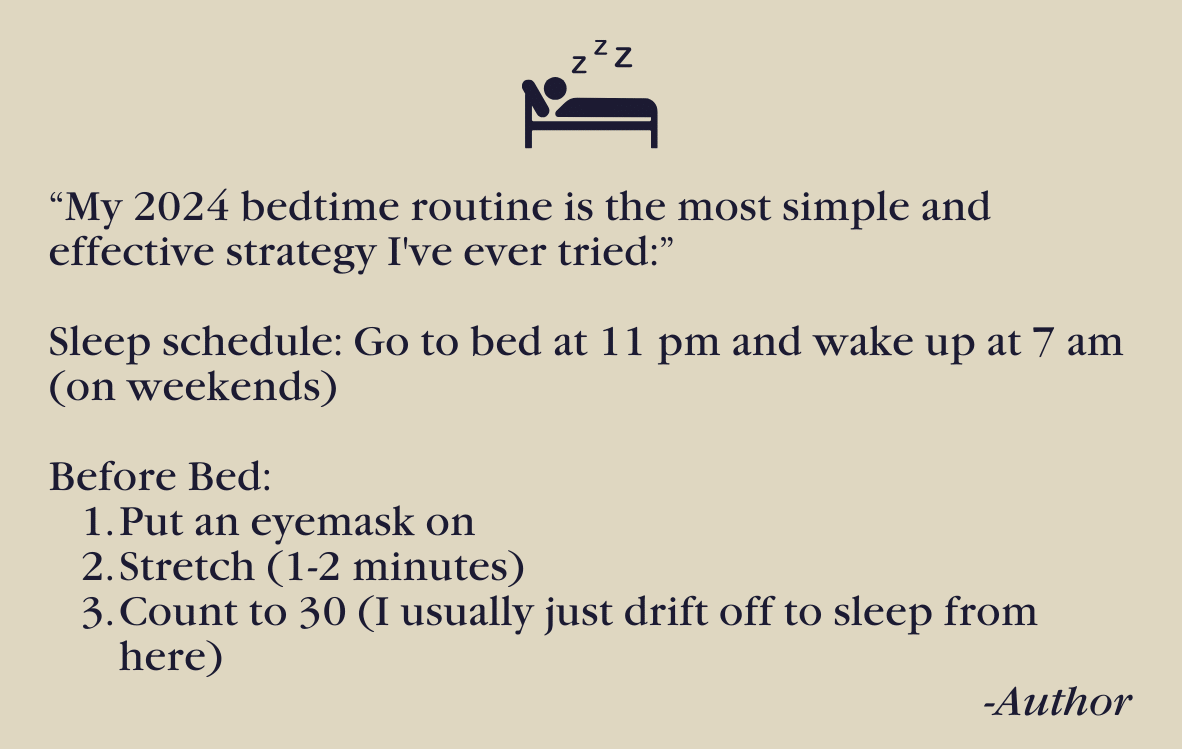
To truly enhance your bedtime routine and promote deeper relaxation, engaging your senses is paramount. By consciously incorporating elements that appeal to your sight, sound, smell, and touch, you can create an environment that signals to your brain that it’s time to wind down and prepare for restful sleep. This multi-sensory approach can significantly amplify the effectiveness of your chosen rituals.Engaging your senses can transform your bedroom into a sanctuary of calm.
This section explores how to leverage ambient sounds, calming aromatherapy, and gentle physical touch to foster a more profound sense of tranquility before sleep.
Ambient Sounds for a Calming Atmosphere
The auditory environment plays a crucial role in our ability to relax. Soft, consistent, or nature-inspired sounds can mask disruptive noises and create a soothing backdrop that promotes a state of peace.Here are ways to utilize ambient sounds:
- White Noise Machines: These devices emit a steady, consistent sound that can mask sudden noises like traffic or a partner’s snoring. The sound can range from a gentle hum to a soft static.
- Nature Sounds: Recordings of rain, ocean waves, crackling fireplaces, or gentle breezes can evoke a sense of natural tranquility and reduce feelings of stress.
- Calming Music: Instrumental music, classical compositions, or specially designed sleep music with slow tempos and predictable melodies can be highly effective in slowing down heart rate and promoting relaxation.
- Binaural Beats: These are auditory illusions created by playing two slightly different frequencies to each ear, which the brain perceives as a single, pulsing tone. Certain frequencies are associated with promoting relaxation and sleep.
Aromatherapy Scents for Sleep
Aromatherapy, the practice of using essential oils to improve well-being, can be a powerful tool in your bedtime arsenal. Certain scents have been scientifically shown to have calming and sedative properties, preparing your mind and body for sleep.Consider these effective aromatherapy scents:
- Lavender: Perhaps the most well-known sleep aid, lavender is widely recognized for its ability to reduce anxiety and promote relaxation. Its floral and herbaceous aroma is both soothing and comforting.
- Chamomile: Similar to lavender, chamomile possesses calming properties that can alleviate stress and induce sleep. Its sweet, apple-like scent is gentle and familiar.
- Bergamot: While citrusy, bergamot essential oil has a unique ability to reduce anxiety and improve mood without being overly stimulating. It can help to ease nervous tension.
- Sandalwood: This woody, earthy scent has a grounding effect, helping to calm the mind and reduce racing thoughts. It is often used in meditation and relaxation practices.
- Ylang Ylang: Known for its sweet, exotic floral aroma, ylang ylang can help to reduce stress, promote relaxation, and create a sense of well-being.
These essential oils can be used in various ways, such as in a diffuser, a few drops on your pillow, or diluted in a warm bath.
Gentle Physical Touch and Self-Massage
The power of touch is fundamental to human well-being, and incorporating gentle physical contact or self-massage into your bedtime routine can significantly deepen relaxation. This practice helps to release physical tension, improve circulation, and signal to your nervous system that it’s safe to unwind.The benefits of gentle physical touch before sleep include:
- Muscle Relaxation: Gentle massage strokes can help to release knots and tension that have accumulated throughout the day, easing physical discomfort and promoting a sense of lightness.
- Stress Reduction: The act of touch, whether self-administered or from a partner, can stimulate the release of oxytocin, a hormone that reduces stress and anxiety and promotes feelings of bonding and calmness.
- Improved Circulation: Massaging your limbs can enhance blood flow, which can contribute to a feeling of warmth and relaxation throughout the body.
- Mind-Body Connection: Engaging in self-massage encourages a focus on your physical sensations, helping to draw your attention away from distracting thoughts and into the present moment.
Simple self-massage techniques can include gently massaging your temples in circular motions, rubbing your hands and feet, or performing light strokes along your arms and legs. Even a brief period of gentle stretching or using a soft brush to stroke your skin can provide similar calming benefits.
The Role of Digital Detox in Your Evening
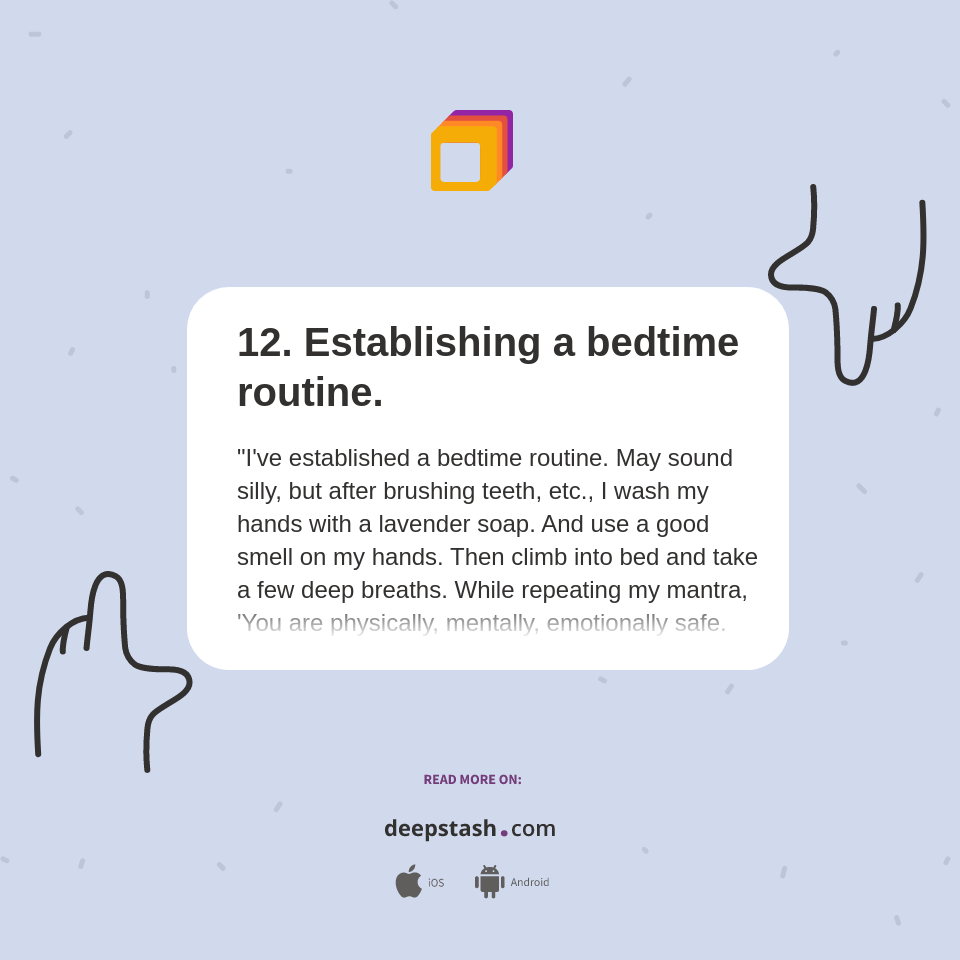
As we increasingly integrate technology into every facet of our lives, it’s crucial to recognize its profound impact on our sleep. The hour before bed, often filled with scrolling through social media, checking emails, or watching captivating shows, can inadvertently sabotage our efforts to unwind and prepare for restful sleep. Understanding and implementing a digital detox is therefore a cornerstone of any effective bedtime routine.The allure of our digital devices is undeniable, but their glow and constant stream of information can interfere with our body’s natural sleep-wake cycle.
This section will delve into why this happens and provide actionable strategies to reclaim your evenings from the digital realm, fostering a more tranquil transition into sleep.
Negative Effects of Screen Time on Melatonin Production and Sleep Cycles
The blue light emitted from electronic screens, such as smartphones, tablets, and computers, is particularly disruptive to our circadian rhythm. This blue light mimics daylight, signaling to our brains that it’s still time to be awake and alert. Consequently, the production of melatonin, the hormone that regulates sleep, is suppressed. Melatonin production typically begins to increase in the evening as natural light diminishes, preparing the body for sleep.
Exposure to artificial blue light in the hours leading up to bedtime can delay this process, making it harder to fall asleep and potentially leading to fragmented sleep. Furthermore, engaging with stimulating content on these devices can increase cognitive arousal, making it difficult for the mind to switch off and relax, even after the screen is put away. This can result in a longer sleep onset latency (the time it takes to fall asleep) and a reduction in overall sleep quality.
“The blue light emitted from electronic screens is a primary culprit in disrupting our natural sleep-wake cycle by suppressing melatonin production.”
Creating a Digital-Free Zone in the Hour Before Bed
Establishing a designated “digital-free” period in the hour before you intend to sleep is a powerful strategy for promoting relaxation and preparing your body for rest. This intentional disengagement from screens allows your mind to calm down and your melatonin levels to rise naturally, signaling to your body that it’s time to wind down. This practice helps to break the cycle of stimulation that can keep you awake and can significantly improve your ability to fall asleep more quickly and enjoy deeper, more restorative sleep.Here are practical steps to help you create this essential digital-free zone:
- Set a firm “tech curfew”: Decide on a specific time, ideally at least one hour before your desired bedtime, after which all electronic devices will be put away. Communicate this curfew to family members or housemates to ensure support and adherence.
- Charge devices outside the bedroom: Make it a habit to charge your phone, tablet, and other devices in a different room, such as the living room or kitchen. This removes the temptation to check them during your wind-down period and prevents them from being a visual distraction in your sleep environment.
- Establish alternative evening activities: Replace screen time with calming and engaging non-digital activities. This could include reading a physical book, listening to a podcast or audiobook (on a non-screen device if possible, or with the screen off), journaling, gentle stretching or yoga, or engaging in a quiet hobby like knitting or drawing.
- Prepare for the next day: Before your tech curfew, take a few minutes to briefly review your schedule for the following day or lay out your clothes. This can help alleviate any pre-sleep anxiety about what’s to come, allowing you to relax more fully.
- Use airplane mode or “do not disturb”: If you absolutely must have your phone nearby for emergencies, ensure it is on airplane mode or has the “do not disturb” function activated. This will prevent notifications from waking you or tempting you to check your device.
Managing Notifications and Reducing Digital Distractions
The constant influx of notifications from emails, social media, and news apps can be a significant source of distraction and mental stimulation, even if you’re not actively engaging with your device. Effectively managing these alerts is key to creating a truly peaceful evening.Consider the following methods for reducing digital distractions:
- Customize notification settings: Go through the settings of your most-used apps and disable notifications that are not essential. Prioritize which apps truly need to alert you and turn off the rest. Many smartphones allow you to set different notification profiles for different times of the day.
- Utilize “Focus” or “Do Not Disturb” modes: Most modern smartphones and operating systems offer robust “Focus” or “Do Not Disturb” modes that can be scheduled to activate during your designated digital-free time. These modes can be customized to allow calls or messages from specific contacts while silencing all other alerts.
- Uninstall tempting apps: If certain apps are particularly addictive or distracting, consider uninstalling them from your phone, at least during the evening hours. You can always reinstall them in the morning if needed.
- Create a “notification-free” physical space: Designate a specific area, like a small basket or shelf, where all devices are placed once their use is finished for the evening. This physical separation can serve as a strong visual cue that it’s time to disconnect.
- Batch check emails and messages: Instead of responding to every notification as it arrives, schedule specific times earlier in the day to check and respond to emails and messages. This prevents the constant interruption and the urge to check your phone throughout the evening.
Creating a Sleep-Inducing Environment
Your bedroom should be a sanctuary, a dedicated space designed to promote rest and rejuvenation. The physical environment plays a crucial role in signaling to your brain that it’s time to wind down and prepare for sleep. By thoughtfully curating your bedroom’s atmosphere, you can significantly enhance your ability to fall asleep faster and enjoy more restful slumber.
Optimizing Visual and Thermal Comfort
The visual and thermal elements of your bedroom are primary determinants of its sleep-inducing potential. A well-designed space minimizes distractions and creates a calming ambiance, while an optimal temperature range is essential for natural thermoregulation during sleep.
An ideal bedroom for sleep is characterized by:
- Lighting: Aim for darkness. Blackout curtains are highly effective at blocking external light sources like streetlights or early morning sun. Dim, warm-toned artificial lighting, such as bedside lamps with low-wattage bulbs, should be used in the hours leading up to bedtime to avoid stimulating the pineal gland, which produces melatonin. Avoid bright, cool-toned lights, especially from electronic devices.
- Temperature: The optimal sleep temperature for most adults falls between 60-67 degrees Fahrenheit (15-19 degrees Celsius). This slightly cooler environment aids in the body’s natural drop in core temperature, which is a key signal for sleep onset. Ensure good ventilation and consider a fan if necessary.
- Clutter: A tidy and organized bedroom promotes a sense of calm and reduces mental stimulation. Clutter can be a visual distraction and may contribute to feelings of stress or anxiety, making it harder to relax. Keep surfaces clear and store items away neatly.
The Impact of Bedding Materials and Comfort
The tactile experience of your bedding is as important as the visual and thermal aspects of your room. High-quality, comfortable bedding can significantly improve sleep quality by enhancing comfort and regulating body temperature.
Consider the following when choosing bedding:
- Materials: Natural fibers like cotton, linen, and bamboo are breathable and moisture-wicking, helping to keep you cool and dry throughout the night. Egyptian cotton and high thread counts can offer a luxurious feel. For cooler climates or a cozier feel, consider flannel or brushed cotton. Silk pillowcases can reduce friction on hair and skin, potentially benefiting those with sensitive skin or curly hair.
- Mattress and Pillows: A supportive mattress that aligns with your sleeping position (side, back, or stomach) is crucial for preventing aches and pains. Pillows should complement your mattress and sleeping style to maintain proper neck alignment. Memory foam, latex, and down are common filling options, each offering different levels of firmness and support.
- Duvet/Comforter: Choose a duvet or comforter with an appropriate fill power for your climate and personal preference. Down, down alternatives, and synthetic fills are available, offering varying degrees of warmth and weight. Ensure it is neither too heavy nor too light to maintain a comfortable sleep temperature.
Identifying Common Environmental Hindrances to Sleep
Certain environmental factors are notorious for disrupting sleep. Recognizing these culprits and implementing targeted solutions can lead to a more peaceful night’s rest.
Common environmental factors that hinder sleep include:
- Noise: Unwanted sounds, from traffic outside to a snoring partner, can lead to awakenings and fragmented sleep.
- Solutions: Use earplugs, a white noise machine, a fan, or soundproofing materials for windows and doors.
- Light: Even small amounts of light can interfere with melatonin production.
- Solutions: Ensure complete darkness using blackout curtains, an eye mask, and covering any light-emitting electronics.
- Unpleasant Odors: Strong or unpleasant smells can be disruptive.
- Solutions: Ensure good ventilation, use natural air fresheners like essential oil diffusers with calming scents (lavender, chamomile), or simply air out the room regularly.
- Poor Air Quality: Stale or dry air can lead to discomfort.
- Solutions: Use an air purifier, humidifier, or ensure regular ventilation.
Mindful Practices for a Calm Mind
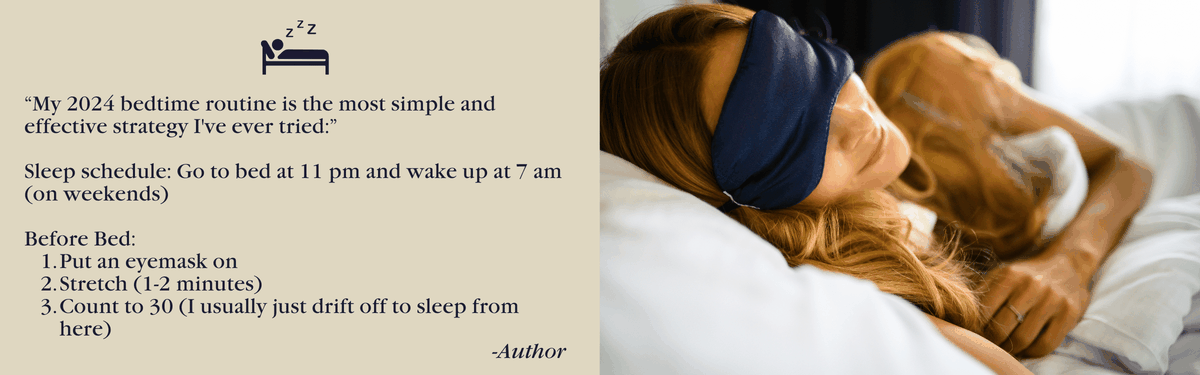
Incorporating mindful practices into your bedtime routine is a powerful way to quiet the mental chatter and prepare your mind for restful sleep. These techniques help to reduce stress, promote emotional regulation, and foster a sense of peace, making the transition from wakefulness to sleep smoother and more effective. By dedicating a few minutes to these practices, you can significantly enhance the quality of your sleep and overall well-being.Engaging your mind in calming activities before bed signals to your body that it’s time to wind down.
This shift in focus away from daily stressors and towards present moment awareness can alleviate anxiety and prevent racing thoughts that often interfere with falling asleep. The following sections explore specific mindful practices that can be easily integrated into your evening ritual.
Guided Meditation and Breathing Exercises
Guided meditations and simple breathing exercises are highly effective tools for achieving a state of deep relaxation. These practices direct your attention, anchor you in the present, and encourage a slower, more rhythmic breath, which is intrinsically linked to a calm nervous system.Here are a few accessible techniques:
- Deep Diaphragmatic Breathing: This exercise involves breathing deeply into your belly rather than shallowly into your chest. Place one hand on your stomach and the other on your chest. As you inhale through your nose, feel your stomach rise. As you exhale slowly through your mouth, feel your stomach fall. Aim for a count of four on the inhale, holding for a moment, and a count of six on the exhale.
- 4-7-8 Breathing Technique: Developed by Dr. Andrew Weil, this technique is designed to promote relaxation. Inhale quietly through your nose for a count of 4. Hold your breath for a count of 7. Exhale completely through your mouth, making a whooshing sound, for a count of 8.
Repeat for a few cycles.
- Body Scan Meditation: This guided practice involves systematically bringing your awareness to different parts of your body, noticing any sensations without judgment. You can find numerous guided body scan meditations online or through mindfulness apps.
Journaling and Gratitude Practices
Journaling and practicing gratitude can be incredibly beneficial for clearing your mind and fostering positive emotions before sleep. These activities provide an outlet for processing thoughts and feelings, reducing rumination, and cultivating a sense of appreciation for the good in your life.The benefits of these practices include:
- Emotional Release: Writing down worries, stresses, or unresolved thoughts can help to externalize them, making them feel less overwhelming. This act of putting pen to paper can create mental space and reduce the likelihood of these thoughts resurfacing during sleep.
- Cognitive Reframing: By focusing on gratitude, you shift your perspective from what is lacking or problematic to what is abundant and positive. This intentional focus can combat negative thought patterns and promote a more optimistic outlook, which is conducive to peaceful sleep.
- Problem-Solving: Sometimes, simply writing about a problem can lead to insights or solutions. This can be particularly helpful if you tend to lie awake thinking about challenges.
A simple way to implement this is to dedicate 5-10 minutes each evening to write down three things you are grateful for or to briefly jot down any pressing thoughts or concerns that need to be addressed tomorrow.
Gentle Stretching and Yoga Poses
Releasing physical tension through gentle stretching or restorative yoga poses is an essential component of a relaxing bedtime routine. As we hold stress in our bodies, it can manifest as muscle tightness, aches, and discomfort, all of which can disrupt sleep. Gentle movement helps to alleviate this physical burden, promoting relaxation and preparing the body for rest.Consider incorporating these gentle movements:
- Child’s Pose (Balasana): Kneel on the floor, sit back on your heels, and fold your torso forward, resting your forehead on the floor. Extend your arms forward or let them rest alongside your body. This pose gently stretches the back, hips, and thighs.
- Legs-Up-the-Wall Pose (Viparita Karani): Lie on your back and extend your legs straight up against a wall. Your hips should be as close to the wall as comfortable. This inversion is known for its calming effect, promoting circulation and relieving tired legs.
- Supine Spinal Twist (Supta Matsyendrasana): Lie on your back and draw one knee into your chest. Gently guide that knee across your body towards the opposite side, keeping your shoulders on the floor. Extend the opposite arm out to the side and turn your head to look at your extended arm. This pose releases tension in the spine and hips.
- Cat-Cow Pose (Marjaryasana-Bitilasana): Start on your hands and knees. As you inhale, drop your belly, arch your back, and lift your head (Cow pose). As you exhale, round your spine, tuck your chin to your chest, and draw your navel towards your spine (Cat pose). This gentle flow mobilizes the spine.
It is important to perform these stretches slowly and mindfully, focusing on your breath and the sensations in your body. Avoid any movements that cause pain. The goal is to release tension, not to exert yourself.
Nutrition and Hydration for Better Sleep
The foods and beverages we consume throughout the day, and especially in the hours leading up to bedtime, can significantly influence our ability to fall asleep and the quality of that sleep. Making conscious choices about our evening diet can be a powerful, yet often overlooked, component of a relaxing bedtime routine.Understanding how different nutrients and substances affect our bodies can empower us to create a more sleep-conducive internal environment.
This section will explore specific dietary recommendations to support restful sleep.
Foods and Beverages That Promote Sleepiness
Certain foods contain compounds that can aid in sleep regulation. These often include tryptophan, a precursor to serotonin and melatonin, and magnesium, which plays a role in muscle relaxation and sleep quality.Here is a list of foods and beverages that can promote sleepiness:
- Tart Cherries: A natural source of melatonin, a hormone that regulates the sleep-wake cycle.
- Warm Milk: Contains tryptophan and also provides a comforting, nostalgic sensation for many.
- Almonds: Rich in magnesium and tryptophan, both beneficial for sleep.
- Walnuts: Another good source of melatonin and healthy fats.
- Fatty Fish (e.g., salmon, mackerel): Provide vitamin D and omega-3 fatty acids, which may help regulate serotonin.
- Chamomile Tea: Contains apigenin, an antioxidant that may bind to certain receptors in the brain that decrease anxiety and initiate sleep.
- Kiwi: Studies suggest that consuming kiwi before bed may improve sleep onset, duration, and efficiency.
Foods and Beverages to Avoid Before Bed
Conversely, some items can disrupt sleep patterns, leading to difficulty falling asleep or frequent awakenings. These often stimulate the nervous system or are difficult to digest.It is advisable to limit or avoid the following before bedtime:
- Spicy Foods: Can cause indigestion and heartburn, making it uncomfortable to lie down.
- Heavy, Fatty Meals: Take a long time to digest and can lead to discomfort.
- High-Sugar Foods and Drinks: Can cause a spike and subsequent crash in blood sugar, disrupting sleep.
- Anything with Added Sugar: Similar to high-sugar foods, these can lead to energy fluctuations.
- Chocolate: Contains caffeine and theobromine, both stimulants.
- Carbonated Beverages: Can cause bloating and discomfort.
Impact of Caffeine and Alcohol Consumption on Sleep Patterns
Caffeine and alcohol, though often consumed in the evening, have distinct and often detrimental effects on sleep architecture.Caffeine is a stimulant that blocks adenosine, a neurotransmitter that promotes sleepiness. Its effects can linger for several hours, making it difficult to initiate sleep. For instance, consuming a caffeinated beverage at 4 PM could still impact sleep at 10 PM, as caffeine has a half-life of approximately 5 hours, meaning half of the ingested amount is still in your system.
This can lead to increased sleep latency (the time it takes to fall asleep) and reduced total sleep time.Alcohol, while it may initially induce drowsiness, disrupts sleep later in the night. It suppresses REM sleep, the stage associated with dreaming and cognitive restoration, and can lead to fragmented sleep and more frequent awakenings. A study published in the journal
Sleep* indicated that alcohol consumption significantly reduces REM sleep, particularly in the latter half of the night, leading to a feeling of unrefreshfulness upon waking.
Timing Meals and Snacks for Optimal Sleep Preparation
The timing of your last meal and any evening snacks is crucial for facilitating sleep. Eating too close to bedtime can interfere with the body’s natural digestive and restorative processes.Generally, it is recommended to finish your last substantial meal at least 2-3 hours before going to sleep. This allows ample time for digestion, preventing discomfort that could keep you awake.For those who experience hunger before bed, a small, sleep-promoting snack can be beneficial.
The key is to choose wisely and consume it at least 30-60 minutes before attempting to sleep.Here is advice on timing meals and snacks:
- Dinner: Aim to complete your evening meal at least 2-3 hours before your intended bedtime. This allows your digestive system to wind down.
- Late-Night Snacks: If a snack is necessary, opt for something light and easily digestible, such as a small handful of almonds or a banana. Consume this at least 30-60 minutes prior to sleep.
- Hydration: While staying hydrated is important, try to limit fluid intake in the hour or two before bed to minimize nighttime awakenings for bathroom breaks.
Troubleshooting Common Routine Challenges
Establishing a consistent bedtime routine is a powerful tool for promoting restful sleep, but it’s not uncommon to encounter obstacles along the way. Recognizing these challenges and understanding how to address them is key to ensuring your routine remains effective and adaptable to your life’s ebb and flow. This section will guide you through common hurdles and provide practical solutions to keep your sleep hygiene on track.Life’s unpredictability can sometimes derail even the most well-intentioned routines.
It’s important to approach these situations with flexibility and a willingness to adjust. Rather than viewing a disrupted routine as a failure, consider it an opportunity to refine your approach and reinforce your commitment to good sleep.
Reasons for Routine Ineffectiveness
Several factors can contribute to a bedtime routine not yielding the desired results. Understanding these underlying causes is the first step toward finding effective solutions.
- Inconsistency: Irregular adherence to the routine, even by a few nights a week, can prevent your body from establishing a strong sleep-wake cycle.
- Lack of Enjoyment or Engagement: If the activities feel like chores rather than relaxing rituals, you’re less likely to commit to them.
- Unrealistic Expectations: Expecting immediate, dramatic results can lead to frustration and abandonment of the routine before it has had a chance to work.
- Underlying Sleep Issues: The routine might be insufficient to address more significant sleep disturbances like insomnia, sleep apnea, or restless leg syndrome.
- External Stressors: High levels of stress or anxiety can override the calming effects of a routine.
- Environmental Factors: A bedroom that is too bright, noisy, or at an uncomfortable temperature can counteract the best routine.
- Poor Daytime Habits: Excessive caffeine intake late in the day, lack of physical activity, or irregular meal times can disrupt sleep.
Adjustments for Struggling Individuals
When specific elements of your routine aren’t working, it’s beneficial to explore alternative activities or modify existing ones. This personalization ensures your routine remains effective and enjoyable.For individuals who find certain aspects of their routine challenging, consider these adjustments:
- Difficulty Winding Down: If reading feels too stimulating or meditation is hard to focus on, try listening to a calming podcast or audiobook at a low volume. Gentle stretching or a warm, non-caffeinated herbal tea can also be effective.
- Trouble Disconnecting from Devices: Instead of a complete digital ban that might feel too abrupt, gradually reduce screen time. Start by putting devices away 30 minutes before bed and increase this over time. Replace screen time with a tactile activity like journaling or a puzzle.
- Feeling Restless: If you’re physically restless, incorporate a short, gentle yoga sequence or a warm bath with Epsom salts. If it’s mental restlessness, guided imagery or progressive muscle relaxation techniques can help.
- Lack of Time: If your schedule is very tight, simplify your routine to its most essential elements. Even 15-20 minutes of focused relaxation can make a difference. Prioritize one or two key activities that offer the most benefit.
Re-evaluating and Adapting Routines
Life circumstances are dynamic, and your bedtime routine should be too. Periodically reassessing your routine ensures it remains relevant and effective as your needs and environment change.When life circumstances shift, such as starting a new job, experiencing a change in family dynamics, or dealing with increased travel, it’s crucial to re-evaluate your bedtime routine. This proactive approach prevents the routine from becoming a source of stress.
- Assess Current Effectiveness: Honestly evaluate if your current routine is still serving its purpose. Are you falling asleep more easily? Are you waking up feeling more rested?
- Identify New Stressors: Recognize how new life events might be impacting your stress levels and sleep quality. This awareness is vital for making appropriate adjustments.
- Simplify During Transitions: During periods of significant change, it’s often best to simplify your routine. Focus on the core elements that provide the most benefit, such as a consistent wind-down time and a quiet, dark environment.
- Introduce New Elements Gradually: As you adapt to new circumstances, you can gradually reintroduce or modify elements of your routine. For instance, if travel disrupts your sleep, experiment with portable relaxation tools like an eye mask or noise-canceling earplugs.
- Seek Professional Guidance: If you find yourself consistently struggling to maintain a functional routine despite your best efforts, consider consulting a healthcare professional or a sleep specialist. They can help identify underlying issues and provide tailored strategies.
Last Recap
Embarking on the journey to create a truly effective bedtime routine is an investment in your overall health and happiness. By understanding the science behind sleep, incorporating personalized elements, and diligently troubleshooting challenges, you can cultivate a peaceful transition into slumber. This guide has provided you with the tools and knowledge to design and implement a routine that fosters deeper relaxation, leading to more restorative sleep and a more energized you each day.