Embarking on a journey to master the art of the nap can significantly enhance your daily productivity and overall well-being. This guide, How to Nap a Smarter Way Without Ruining Your Night, aims to demystify the science and practice of napping, ensuring you can harness its restorative power without compromising your essential nighttime sleep.
We will explore the intricate connection between our sleep cycles and the effectiveness of brief rest periods, uncovering the optimal durations and timings that promote alertness rather than grogginess. By understanding the subtle nuances of sleep inertia and environmental influences, you will learn to craft the perfect napping sanctuary and implement techniques tailored to your specific needs, transforming a simple nap into a powerful tool for rejuvenation.
Understanding the Science of Napping
Napping, often perceived as a simple act of rest, is in fact a complex physiological process with profound benefits for our cognitive abilities and overall alertness. By strategically incorporating naps into our daily routines, we can significantly enhance our mental performance and combat fatigue without disrupting our nighttime sleep. Understanding the underlying science is key to harnessing the power of napping effectively.The human sleep-wake cycle is governed by intricate biological mechanisms that regulate our energy levels and cognitive functions.
Napping taps into these mechanisms, offering a powerful tool for rejuvenation. When we nap, our brains undergo specific cycles of activity that can restore neural pathways, consolidate memories, and improve our capacity for learning and problem-solving. This section delves into the scientific principles that make napping a beneficial practice.
Physiological Benefits of Napping
Napping provides a range of physiological benefits that directly impact our cognitive function and alertness. These benefits are rooted in the brain’s restorative processes that occur during sleep. A well-timed nap can act as a powerful reset button for the brain, leading to improved performance in various mental tasks.The advantages of napping are well-documented and include:
- Enhanced Alertness: Napping can significantly reduce feelings of drowsiness and improve vigilance, making individuals more attentive and responsive to their environment. This is particularly crucial for tasks requiring sustained focus, such as driving or operating machinery.
- Improved Cognitive Performance: Studies have shown that napping can boost memory consolidation, learning capacity, and problem-solving skills. It allows the brain to process and store new information more effectively.
- Reduced Stress and Improved Mood: Napping can help regulate stress hormones and contribute to a more positive emotional state, reducing irritability and enhancing overall well-being.
- Increased Creativity: By allowing the brain to enter different stages of sleep, naps can foster novel connections between ideas, leading to enhanced creative thinking and insight.
Sleep Cycles and Nap Effectiveness
The effectiveness of a nap is largely determined by which sleep cycles are entered and for how long. Understanding these cycles helps in optimizing nap duration and timing for maximum benefit. Sleep occurs in distinct stages, broadly categorized into Non-Rapid Eye Movement (NREM) and Rapid Eye Movement (REM) sleep, each offering different restorative properties.The sleep cycles experienced during a nap influence its outcome:
- NREM Sleep: This stage is further divided into light sleep (Stage 1 and 2) and deep sleep (Stage 3, also known as slow-wave sleep). Light sleep is characterized by a gradual slowing of brain waves and is easily disrupted. Deep sleep is crucial for physical restoration, growth hormone release, and immune system function.
- REM Sleep: This stage is characterized by rapid eye movements, increased brain activity similar to wakefulness, and vivid dreaming. REM sleep is vital for emotional regulation, memory processing, and cognitive flexibility.
The ideal nap duration allows for the beneficial stages of sleep without entering the deeper, more restorative stages that can lead to grogginess upon waking.
Optimal Nap Duration for Power Naps
The concept of a “power nap” is designed to provide significant benefits in a short period, typically without causing the undesirable effects of longer naps. The optimal duration is carefully calibrated to maximize alertness and cognitive enhancement while minimizing the risk of sleep inertia.Research consistently points to specific durations for effective power naps:
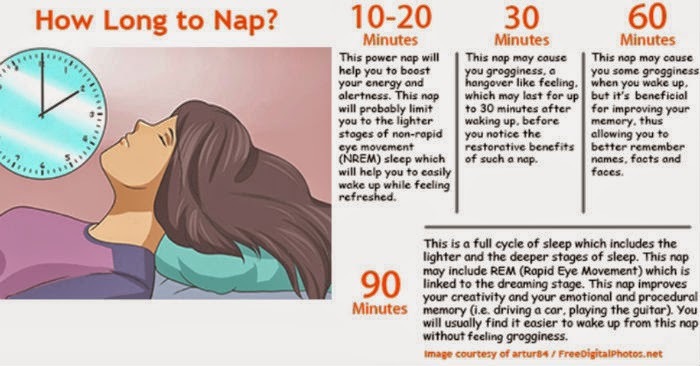
- 10-20 minutes: This duration is widely considered the sweet spot for a power nap. It allows for a brief period of light sleep, which can improve alertness and performance without entering deep sleep. This short duration minimizes the risk of sleep inertia.
- 30 minutes: Napping for 30 minutes can lead to some grogginess upon waking, as it may include entry into light deep sleep. However, the cognitive benefits can still be substantial once the initial grogginess subsides.
- 60 minutes: A 60-minute nap often includes a significant portion of deep sleep, which is highly restorative for the body and mind. While it can lead to significant grogginess upon waking, the long-term benefits for memory consolidation can be considerable.
- 90 minutes: This duration allows for a full sleep cycle, including REM sleep. This can be very beneficial for creativity and emotional processing. While grogginess is likely upon waking, the complete cycle offers comprehensive restorative benefits.
Choosing the right duration depends on individual needs and the desired outcome.
Sleep Inertia Explained
Sleep inertia is a common phenomenon experienced after waking from sleep, characterized by a transient period of cognitive impairment, disorientation, and grogginess. It is a direct consequence of the brain’s transition from a sleep state back to full wakefulness.The mechanisms behind sleep inertia include:
- Residual Slow Brain Waves: Even after waking, slow brain waves, characteristic of deep sleep, may persist for a short period, impairing cognitive function.
- Reduced Blood Flow to the Brain: During sleep, blood flow to certain areas of the brain may be reduced. The gradual increase in blood flow upon waking can lead to feelings of sluggishness.
- Neurotransmitter Imbalance: The balance of neurotransmitters that regulate alertness and cognitive function can be temporarily disrupted during the transition from sleep to wakefulness.
The duration and intensity of sleep inertia are influenced by factors such as nap length, time of day, and individual sleep patterns. Longer naps, especially those that include deep sleep, are more likely to result in pronounced sleep inertia. For instance, an individual napping for 90 minutes might experience a more significant period of grogginess compared to someone who took a 20-minute power nap.
This phenomenon underscores the importance of timing and duration when napping to avoid negatively impacting immediate post-nap performance.
Strategic Nap Timing for Optimal Results
Understanding when to nap is just as crucial as understanding the science behind it. A well-timed nap can boost alertness and cognitive function without interfering with your ability to fall asleep at night. Conversely, an ill-timed nap can leave you feeling groggy and disrupt your entire sleep-wake cycle. This section will guide you through the optimal timing strategies for napping.The ideal nap timing is a delicate balance, influenced by your natural sleep patterns and your daily commitments.
By strategically placing your nap, you can harness its benefits while safeguarding your nighttime rest.
Optimal Nap Window
The most effective time to take a nap for most people is in the early to mid-afternoon. This period, typically between 1 PM and 3 PM, aligns with a natural dip in alertness that occurs after lunch, known as the post-lunch dip or circadian dip. Napping during this window leverages your body’s natural inclination towards a brief period of reduced wakefulness.
The post-lunch dip is a natural physiological phenomenon that makes us feel drowsy in the early afternoon, presenting an opportune moment for a restorative nap.
Factors Influencing Ideal Nap Timing
Individual differences play a significant role in determining the best nap time. Your unique chronotype, which describes your natural inclination to be a morning lark or a night owl, will influence when you experience peak alertness and when you naturally feel tired. Additionally, your daily schedule, including work, social engagements, and meal times, must be considered to integrate a nap seamlessly without causing undue stress or disruption.
- Chronotype: Morning larks may find the early afternoon nap window more beneficial, while night owls might benefit from a slightly later nap, provided it doesn’t encroach on their bedtime.
- Daily Schedule: Napping needs to fit into your existing commitments. For instance, if you have a critical afternoon meeting, a nap immediately before might not be advisable.
- Sleep Debt: If you are significantly sleep-deprived, your body’s need for sleep might override typical timing recommendations, but caution is still advised.
Downsides of Napping Too Late in the Afternoon
Napping too late in the day, especially within a few hours of your intended bedtime, can significantly disrupt your ability to fall asleep at night. This is because late afternoon naps can reduce your “sleep drive,” the natural buildup of sleepiness that occurs throughout the day. If your sleep drive is too low when you go to bed, you may experience insomnia or difficulty maintaining sleep.
Furthermore, a late nap can interfere with the natural release of melatonin, the hormone that signals to your body that it’s time to sleep.
Sample Daily Schedule with an Effective Nap
This sample schedule illustrates how to incorporate an effective nap into a typical day, assuming a bedtime around 10:30 PM and a wake-up time around 6:30 AM.
| Time | Activity | Notes |
|---|---|---|
| 6:30 AM | Wake Up | Start the day with natural light exposure. |
| 7:00 AM – 8:00 AM | Breakfast and Morning Routine | Fuel your body and prepare for the day. |
| 9:00 AM – 12:00 PM | Work/Productive Activities | Engage in tasks requiring high cognitive function. |
| 12:00 PM – 1:00 PM | Lunch | A balanced meal to avoid post-lunch slump. |
| 1:30 PM – 2:00 PM | Strategic Nap | A 20-30 minute power nap. This timing is ideal for most individuals. |
| 2:00 PM – 5:00 PM | Work/Afternoon Activities | Benefit from the nap’s restorative effects. |
| 5:00 PM – 6:00 PM | Exercise/Relaxation | Wind down or engage in physical activity. |
| 6:00 PM – 7:00 PM | Dinner | A lighter meal to aid digestion before sleep. |
| 7:00 PM – 10:00 PM | Evening Routine | Activities to promote relaxation, avoid screens. |
| 10:30 PM | Bedtime | Aim for consistent sleep. |
Creating the Ideal Napping Environment

To truly harness the restorative power of a nap, it’s essential to cultivate an environment that signals to your body that it’s time for rest. This involves carefully considering sensory inputs that can either promote or disrupt sleep. By optimizing these conditions, you can significantly enhance the quality and effectiveness of your naps, ensuring they serve their intended purpose without interfering with your nighttime sleep.A conducive napping environment minimizes external distractions and maximizes comfort.
This allows your brain to transition more easily into a state of relaxation and light sleep, which is ideal for a nap. The key elements to focus on are light, temperature, and noise, as well as the physical comfort of your napping surface.
Optimizing Light and Temperature
The presence or absence of light plays a crucial role in regulating our circadian rhythms and sleep-wake cycles. Darkness signals to the brain that it’s time to produce melatonin, a hormone that promotes sleep. Similarly, a slightly cooler body temperature is conducive to falling asleep and staying asleep.To create a dark napping space, consider using blackout curtains or an eye mask.
Even a small amount of light can be disruptive, so aim for a room that is as dark as possible. For temperature, aim for a cool environment, generally between 60-67 degrees Fahrenheit (15-19 degrees Celsius), which is often considered optimal for sleep. Experiment to find what feels most comfortable for you.
Minimizing Noise Distractions
Noise is a common disruptor of sleep, and naps are no exception. Sudden or loud noises can easily jolt you awake, negating the benefits of your nap. Creating a quiet environment is therefore paramount.Here are several methods for creating a quieter napping space:
- Soundproofing: While full soundproofing might be impractical, you can take steps to reduce noise transmission. Ensure windows and doors are closed properly.
- White Noise Machines or Apps: These devices or applications produce a constant, soothing sound that can mask other disruptive noises, such as traffic or household sounds. The consistent frequency can help to create a calming auditory backdrop.
- Earplugs: For those who are particularly sensitive to noise or in environments where complete silence is unattainable, high-quality earplugs can be an effective solution.
- Soft Furnishings: Carpets, rugs, and upholstered furniture can absorb sound, making a room quieter than one with hard surfaces.
Ensuring a Comfortable Napping Surface and Pillow
The physical comfort of your napping surface and pillow significantly impacts your ability to relax and fall asleep quickly. An uncomfortable bed or an unsupportive pillow can lead to muscle strain and restlessness, making it difficult to achieve a truly restorative nap.A comfortable napping surface should provide adequate support for your body, preventing pressure points and allowing your muscles to relax.
This could be a comfortable mattress, a sofa, or even a recliner, provided it supports good posture. The pillow should complement the sleeping surface, supporting your head and neck in a neutral alignment. The ideal pillow loft and firmness will vary depending on your preferred sleeping position (side, back, or stomach). For instance, side sleepers often benefit from a thicker pillow to fill the gap between their head and shoulder, while back sleepers might prefer a thinner, more contoured pillow.
Signaling Rest to the Body
Even when you can’t create a perfectly dark and quiet room, you can still signal to your body that it’s time to rest. This involves establishing pre-nap routines and using sensory cues to encourage relaxation.Techniques for signaling to the body that it’s time to rest include:
- Establish a Pre-Nap Ritual: This could involve a few minutes of quiet reading, gentle stretching, or listening to calming music. The repetition of these activities can become a cue for your body to wind down.
- Dim the Lights: Even if you can’t make the room completely dark, dimming the lights can help to signal to your brain that it’s time to prepare for sleep.
- Use Aromatherapy: Certain scents, such as lavender, are known for their calming properties. A few drops of essential oil on a pillow or a diffuser can create a more relaxing atmosphere.
- Practice Deep Breathing or Meditation: Simple breathing exercises or short meditation sessions can help to slow your heart rate and calm your mind, making it easier to drift off.
- Wear Comfortable Clothing: Loosely fitting, soft clothing can enhance comfort and signal to your body that it’s time to relax.
Nap Techniques for Different Needs

Understanding that not all naps are created equal is key to harnessing their power effectively. Different nap durations and techniques cater to distinct physiological needs and desired outcomes, from a swift energy boost to profound cognitive benefits. This section explores the spectrum of napping, detailing how to choose and execute the right nap for your specific requirements without disrupting your nighttime sleep.The effectiveness of a nap is largely determined by its length and the stage of sleep it reaches.
Each type of nap serves a unique purpose, influencing alertness, cognitive function, and emotional regulation differently. By aligning your nap strategy with your goals, you can maximize rejuvenation and avoid the grogginess that can sometimes accompany an ill-timed or improperly executed nap.
Types of Naps and Their Benefits
Napping is not a one-size-fits-all activity. Different durations trigger distinct physiological responses, offering varied benefits. Understanding these distinctions allows for a more targeted approach to napping.
- Power Nap: Typically lasting 10-20 minutes, a power nap aims to provide a quick burst of alertness and improve performance without inducing deep sleep. This duration is ideal for combating immediate fatigue and enhancing cognitive functions like reaction time and vigilance.
- Restorative Nap: Ranging from 30-60 minutes, this type of nap allows for a transition into deeper sleep stages, including slow-wave sleep. While it can lead to some grogginess upon waking (sleep inertia), it offers more substantial benefits for learning, memory consolidation, and mood improvement compared to a power nap.
- Full Sleep Cycle Nap: A nap of 60-90 minutes, which includes REM sleep, is often referred to as a “full sleep cycle nap.” This duration is particularly beneficial for creative problem-solving, emotional processing, and consolidating complex information. Waking after a full REM cycle can result in feeling more refreshed and less groggy than after a restorative nap.
Short Nap Techniques for Quick Rejuvenation
For those seeking a rapid pick-me-up, short naps are exceptionally effective. The goal is to achieve a light stage of sleep that refreshes the mind without leading to deep sleep, thereby minimizing the risk of sleep inertia.The 10-20 minute power nap is the cornerstone of quick rejuvenation. This duration is carefully chosen to allow for a brief period of light sleep, often stage 1 or 2, which is sufficient to clear the brain of adenosine, a chemical that builds up during wakefulness and promotes sleepiness.
- Set an Alarm: Precisely time your nap for 10 to 20 minutes. This is crucial to avoid entering deeper sleep stages.
- Find a Comfortable Position: Lie down in a quiet, dark, and comfortable place where you are unlikely to be disturbed.
- Relax and Let Go: Focus on your breathing and allow your body to relax. Avoid actively trying to fall asleep; simply rest.
- Wake Up Promptly: When your alarm sounds, get up immediately. Resist the urge to hit snooze.
- Reorient Yourself: Engage in light activity, such as stretching or drinking a glass of water, to help shake off any residual drowsiness.
Procedures for Longer Naps Including REM Sleep
Longer naps, specifically those spanning 60 to 90 minutes, are designed to incorporate more restorative sleep stages, including REM (Rapid Eye Movement) sleep. This type of nap offers deeper cognitive and emotional benefits.These longer naps are structured to allow the body to cycle through the different stages of sleep, culminating in REM sleep, which is associated with dreaming, memory processing, and emotional regulation.
Successfully navigating these stages requires careful timing and preparation to maximize benefits and minimize post-nap grogginess.
The optimal duration for a nap that includes REM sleep is approximately 90 minutes. This allows for a full sleep cycle, which typically lasts between 90 and 110 minutes and includes non-REM sleep stages followed by REM sleep.
- Schedule for Maximum Benefit: Aim to take this nap in the early afternoon, ideally between 1 PM and 3 PM, to align with natural dips in alertness and avoid interference with nighttime sleep.
- Prepare Your Environment: Ensure your napping space is dark, quiet, and at a comfortable temperature. Consider using blackout curtains or earplugs if necessary.
- Allow for Transition: Give yourself a few minutes to relax and wind down before the nap begins. Avoid engaging in stimulating activities right before lying down.
- Sleep for the Full Duration: Set an alarm for 90 minutes. This duration is generally considered sufficient to complete a full sleep cycle, including REM sleep, which is vital for cognitive functions like creativity and problem-solving.
- Gentle Awakening: Upon waking, take a moment to orient yourself. Gentle stretching or a brief period of quiet reflection can aid in a smoother transition back to wakefulness.
Comparing Nap Durations for Specific Goals
The choice of nap duration significantly impacts its effectiveness for various cognitive and emotional objectives. Understanding these differences allows for a tailored approach to napping that aligns with specific needs.The brain’s processing capabilities differ across sleep stages, making certain nap lengths more conducive to particular outcomes. For instance, short naps excel at immediate alertness enhancement, while longer naps are better suited for complex cognitive tasks and emotional recalibration.
| Nap Duration | Primary Benefits | Ideal For | Potential Drawbacks |
|---|---|---|---|
| 10-20 minutes (Power Nap) | Increased alertness, improved reaction time, enhanced vigilance | Combating mid-day drowsiness, quick energy boost before tasks requiring focus | Minimal cognitive benefits beyond immediate alertness; risk of waking during light sleep stages |
| 30-60 minutes (Restorative Nap) | Improved learning, memory consolidation, mood enhancement | Studying, absorbing new information, emotional regulation | Sleep inertia (grogginess) upon waking; may disrupt nighttime sleep if taken too late |
| 60-90 minutes (Full Sleep Cycle Nap) | Enhanced creativity, problem-solving, emotional processing, memory consolidation | Creative work, complex task management, emotional processing, deep learning | Higher risk of sleep inertia if waking occurs during deep sleep stages; requires more time commitment |
“The right nap duration is not just about length, but about aligning that length with the specific cognitive or emotional function you aim to enhance.”
Avoiding Common Napping Pitfalls
Mastering the art of napping involves not only understanding its benefits and optimal timing but also recognizing and sidestepping common mistakes that can undermine its effectiveness. Many individuals inadvertently create habits that disrupt their nighttime sleep, turning a potentially restorative break into a source of grogginess and insomnia. By being aware of these pitfalls, you can refine your napping strategy to ensure it complements, rather than conflicts with, your overall sleep health.This section will guide you through identifying these frequent errors and provide practical solutions to overcome them, ensuring your naps contribute positively to your well-being and your nighttime rest remains undisturbed.
Impact of Caffeine and Heavy Meals on Nap Quality
Consuming caffeine too close to naptime or indulging in heavy meals before a nap can significantly impair the restorative quality of your sleep. Caffeine is a stimulant that can prolong the time it takes to fall asleep and lead to lighter, more fragmented sleep during your nap. Similarly, a large meal can divert digestive energy, making it harder for your body to relax and enter deeper sleep stages.It is advisable to avoid caffeine for at least six hours before your intended nap.
For meals, opt for lighter, easily digestible options a couple of hours before resting. This allows your body to focus on rest and rejuvenation rather than active digestion.
Strategies for Waking Up Refreshed
Waking up from a nap feeling disoriented, often referred to as sleep inertia, is a common issue that can negate the benefits of napping. This grogginess occurs when you wake up from a deep sleep stage. Strategic napping can help minimize this effect.To wake up feeling refreshed:
- Nap Duration: Aim for naps between 10 to 20 minutes. This duration typically allows you to stay in lighter sleep stages, making waking up easier and less disorienting. Longer naps, especially those exceeding 30 minutes, can lead to waking from deeper sleep stages.
- Alarm Setting: Use a gentle alarm sound that gradually increases in volume. Avoid jarring noises that can shock your system.
- Immediate Engagement: Upon waking, engage in light physical activity, such as stretching or a short walk, and expose yourself to natural light. This helps signal to your brain that it’s time to be awake and alert.
Gradual Adjustment of Napping Habits
For those who are new to napping or have experienced negative effects from it, a gradual approach to adjusting napping habits is crucial for improving nighttime sleep. Abrupt changes can sometimes lead to initial disruptions. The key is consistency and mindful observation of your body’s responses.To effectively adjust your napping habits:
- Start with Shorter Naps: Begin with very short naps, perhaps as brief as 5-10 minutes, and gradually increase the duration over several days or weeks if needed.
- Consistent Timing: Try to nap at the same time each day. This helps regulate your body’s internal clock (circadian rhythm), making it easier to fall asleep during your nap and less likely to interfere with nighttime sleep.
- Monitor Nighttime Sleep: Keep a sleep diary to track your nap times, durations, and how they affect your nighttime sleep. Note any difficulties falling asleep or staying asleep at night.
- Reduce Nap Duration if Necessary: If you consistently experience difficulty sleeping at night, consider reducing your nap duration or even eliminating naps altogether for a period to see if it improves your nighttime sleep.
- Experiment with Nap Placement: If a mid-afternoon nap is consistently causing issues, try shifting it earlier in the afternoon.
By implementing these strategies, you can transform napping from a potential disruptor into a powerful tool for enhancing alertness and overall well-being without compromising your essential nighttime rest.
Napping for Specific Situations

Strategic napping can be a powerful tool to manage fatigue and optimize performance in various demanding scenarios. By tailoring your approach to specific circumstances, you can harness the benefits of rest without compromising your overall sleep quality. This section explores how to effectively nap when dealing with jet lag, shift work, busy workdays, and midday energy dips.
Jet Lag Recovery Naps
When traveling across time zones, your body’s internal clock, or circadian rhythm, becomes desynchronized with the new local time. Napping can help bridge the gap and ease the transition, but it needs to be approached strategically to avoid disrupting nighttime sleep. The goal is to align your naps with the natural sleep-wake cycles of your destination.
- Short, strategic naps upon arrival: Upon reaching your destination, resist the urge to sleep for extended periods during the day, especially if it’s close to your new bedtime. Instead, opt for short power naps of 20-30 minutes if you feel overwhelming fatigue. These brief naps can provide a quick energy boost without inducing deep sleep inertia.
- Aligning naps with local daylight: Whenever possible, expose yourself to natural daylight upon arrival. This helps to reset your circadian rhythm. If you feel sleepy, take a nap in a bright environment or expose yourself to light immediately after waking from a short nap.
- Gradual adjustment: For longer trips or significant time differences, consider gradually adjusting your sleep schedule a few days before departure. This can involve shifting your bedtime and wake-up time by 30-60 minutes each day to better match your destination.
- Avoid long daytime sleep: While tempting, sleeping for several hours during the day can significantly interfere with your ability to fall asleep at night in the new time zone. If you must sleep longer, aim for a nap that is no more than 90 minutes to potentially include a full sleep cycle, but this should be done cautiously and not close to your new bedtime.
Shift Worker Fatigue Management
Shift work presents unique challenges to maintaining adequate rest due to irregular work hours that often conflict with natural sleep patterns. Effective napping is crucial for shift workers to mitigate fatigue, reduce errors, and maintain alertness. The key is to incorporate naps at strategic points in the shift and during off-duty hours.
- Pre-shift nap: For workers starting an evening or night shift, a nap of 60-90 minutes before the shift can significantly improve alertness during the initial hours of work. This longer nap allows for a full sleep cycle, including REM sleep, which is important for cognitive function.
- During-shift naps: If permitted and feasible, short power naps of 15-20 minutes during breaks can be highly beneficial for combating drowsiness. These naps should be timed to occur when alertness is typically lowest, often in the middle of the shift. It is important to ensure that these naps do not lead to grogginess upon waking.
- Post-shift recovery: After completing a night shift, it is vital to prioritize a longer sleep period. While a nap might be tempting immediately upon returning home, it is generally more effective to sleep for a consolidated block of 4-6 hours during the day, followed by a shorter nap later if needed, rather than attempting a full 8-hour sleep which can be difficult due to daytime light and noise.
- Strategic timing of naps: Understanding your personal fatigue patterns during your shift is crucial. Observe when you feel the most drowsy and try to schedule naps around these times. However, avoid napping too close to the end of a night shift, as this can make it harder to sleep upon returning home.
Napping During Busy Workdays
Even with demanding schedules, incorporating short, effective naps can boost productivity, improve focus, and reduce stress during busy workdays. The emphasis here is on brief, restorative naps that do not lead to post-nap grogginess.
- The power nap (20 minutes): This is the ideal duration for a nap during a busy workday. A 20-minute nap can provide a significant boost in alertness and cognitive performance without entering deep sleep stages, thus minimizing the risk of sleep inertia.
- Scheduled nap breaks: If possible, schedule short nap breaks into your workday, similar to how you would schedule meetings. Even 15-20 minutes in a quiet, comfortable space can make a substantial difference.
- Utilizing quiet spaces: Identify or create a quiet, dark, and comfortable space where you can take your nap. This could be a designated quiet room, a private office, or even a comfortable chair with an eye mask and earplugs.
- Setting alarms: It is essential to set an alarm to ensure you do not oversleep. Over-sleeping can lead to grogginess and may interfere with your ability to focus on tasks after waking.
Combating Midday Slumps Without Impacting Evening Sleep
The common midday slump, often experienced after lunch, can be effectively managed with napping without jeopardizing nighttime sleep. The key lies in the duration and timing of these naps.
- The 20-minute restorative nap: A nap of approximately 20 minutes is generally considered optimal for combating midday fatigue. This duration allows for a refresh without entering the deeper stages of sleep (slow-wave sleep or REM sleep) that are crucial for nighttime rest.
- Timing is crucial: The ideal time for a midday nap is typically in the early afternoon, often between 1 PM and 3 PM. This timing aligns with the natural dip in alertness that occurs after lunch and is less likely to interfere with your body’s natural drive to sleep later in the evening.
- Avoid late afternoon naps: Napping too late in the afternoon, especially for longer durations, can significantly reduce your sleep drive, making it harder to fall asleep at your regular bedtime. If you feel the need to nap, aim to complete it at least 4-6 hours before your intended bedtime.
- Creating a conducive environment: Even for a short nap, a dark, quiet, and cool environment can enhance its restorative effects. Using an eye mask and earplugs can be helpful in creating this ideal napping space.
- Listen to your body: While general guidelines are helpful, pay attention to your own body’s signals. If you consistently feel an overwhelming need to nap at a specific time and it doesn’t impact your nighttime sleep, you can adjust your nap schedule accordingly. However, if you find that midday naps are making it difficult to sleep at night, it’s best to shorten them or consider alternative strategies for managing midday fatigue, such as light exercise or a short walk.
Tools and Aids for Smarter Napping
Enhancing your napping experience doesn’t always require complex strategies; sometimes, the right tools can make a significant difference. Incorporating specific aids can help create a more conducive environment, promote faster sleep onset, and ensure a more refreshing nap, all without compromising your nighttime sleep.These tools are designed to minimize distractions, encourage relaxation, and signal to your body that it’s time to rest.
By thoughtfully selecting and using these aids, you can elevate the quality and effectiveness of your daytime naps, making them a truly restorative practice.
Ambient Sound and White Noise Machines
Creating a consistent and calming auditory environment is crucial for effective napping, especially in environments with unpredictable noise levels. Ambient sound and white noise machines can effectively mask disruptive sounds, such as traffic, household noises, or chatter, by providing a steady, unobtrusive soundscape. This consistent background noise helps to prevent sudden awakenings and allows the brain to more easily enter a relaxed state conducive to sleep.White noise, in particular, is a combination of all audible sound frequencies at equal intensity.
Other beneficial ambient sounds include pink noise, which has a deeper, more soothing quality, or nature sounds like gentle rain or ocean waves. These sounds work by occupying the auditory pathways in the brain, making it harder for irregular and jarring noises to break through and disrupt the sleep cycle. The consistent sound provides a predictable sensory input, which can be very comforting and help to quiet a racing mind.
Eye Masks and Comfortable Sleepwear
The physical comfort and sensory input your body receives play a vital role in initiating and maintaining a nap. An effective eye mask can block out ambient light, which is a primary signal for the brain to stay awake. By creating a sensation of darkness, an eye mask helps to stimulate the production of melatonin, the hormone that regulates sleep.
Look for masks that are contoured to avoid putting pressure on your eyes and are made from soft, breathable materials for maximum comfort.Similarly, choosing appropriate sleepwear is essential for a relaxed napping experience. Opt for loose-fitting clothing made from natural, breathable fabrics like cotton or bamboo. These materials help regulate body temperature, preventing overheating or feeling too cold, both of which can disrupt sleep.
The feeling of comfort and freedom from restrictive clothing can significantly contribute to a more profound sense of relaxation and ease into sleep.
Guided Meditation and Relaxation Audio
For individuals who find it challenging to quiet their thoughts and drift off to sleep during a nap, guided meditation and relaxation audio can be invaluable tools. These audio recordings offer structured pathways to relaxation, guiding the listener through breathing exercises, body scans, or visualization techniques designed to calm the nervous system and reduce mental chatter.The presence of a gentle, guiding voice can provide a focal point, drawing attention away from distracting thoughts and anxieties.
This can be particularly helpful for those experiencing stress or overthinking, which are common barriers to napping. Many platforms offer a variety of guided sessions specifically designed for short naps, focusing on quick relaxation and sleep induction. Listening to these audios can train the mind to associate the sound with rest, making it easier to fall asleep more quickly and deeply.
Epilogue
In conclusion, by thoughtfully integrating the principles of strategic nap timing, environmental optimization, and mindful technique selection, you can unlock the full potential of napping. This approach ensures that your midday rests serve as a powerful boost to your cognitive functions and energy levels, all while safeguarding the quality and restorative power of your nighttime slumber, leading to a more balanced and productive life.