Discover the pivotal role your pillow plays in achieving restorative sleep and alleviating neck discomfort. This guide delves into the intricate relationship between pillow selection, spinal alignment, and the physiological processes that lead to truly restful nights.
We will explore the biomechanics of the neck, common pain triggers from inadequate support, and the direct impact of pillow comfort on sleep quality. Understanding these connections is the first step towards waking up refreshed and pain-free.
Understanding the Impact of Pillow Choice on Neck Health and Sleep Quality
Choosing the right pillow is more than just a matter of comfort; it plays a crucial role in maintaining the health of your neck and ensuring a truly restful night’s sleep. The intricate structure of the cervical spine requires proper alignment, and your pillow is a key player in achieving this balance throughout the night. When this alignment is compromised, it can lead to a cascade of negative effects, impacting both physical well-being and overall sleep quality.The biomechanics of the neck are elegantly designed for a wide range of motion while also providing crucial support for the head and brain.
During sleep, the primary goal is to maintain the natural curve of the cervical spine, which is typically a gentle inward curve. This alignment prevents undue stress on the muscles, ligaments, and nerves in the neck. The pillow’s function is to fill the space between your head and the mattress, effectively supporting the neck and keeping it in a neutral position, regardless of your sleeping posture.
When a pillow is too high, too low, or too firm/soft, it forces the neck into an unnatural angle, leading to strain and discomfort.
Neck Pain Associated with Improper Pillow Use
Suboptimal pillow selection is a frequent culprit behind various types of neck pain that disrupt sleep. These issues often stem from the sustained, unnatural positioning of the cervical spine.Common types of neck pain linked to incorrect pillow use include:
- Cervical Strain: This involves the stretching or tearing of muscles and ligaments in the neck due to misalignment. It often manifests as stiffness and soreness upon waking.
- Stiff Neck: A general feeling of tightness and restricted movement, often a direct result of sleeping in an awkward position for an extended period.
- Headaches: Tension headaches, often originating from the neck muscles, can be exacerbated or triggered by poor neck support during sleep.
- Pinched Nerves: In more severe cases, prolonged misalignment can compress nerves in the neck, leading to radiating pain, numbness, or tingling in the arms and shoulders.
Physiological Processes of Restful Sleep and Pillow Comfort
Achieving restful sleep involves a complex interplay of physiological processes that allow the body and mind to repair and rejuvenate. These processes are deeply influenced by our environment, and the comfort provided by a pillow is a significant factor in facilitating deep, uninterrupted sleep.During sleep, the body undergoes several vital restorative functions:
- Muscle Relaxation: Muscles, including those in the neck and shoulders, naturally relax to allow for tissue repair and recovery. A supportive pillow prevents these muscles from being held in a tense, strained position.
- Hormonal Regulation: Sleep is critical for the regulation of hormones like cortisol (stress hormone) and melatonin (sleep hormone). Discomfort can elevate cortisol levels, hindering the transition into and maintenance of sleep.
- Central Nervous System Restoration: The brain consolidates memories, processes information, and clears metabolic waste products during sleep. Pain and discomfort act as disruptive stimuli, preventing the brain from entering its deepest, most restorative sleep stages.
Pillow comfort directly contributes to these processes by promoting physical ease and reducing the likelihood of micro-awakenings caused by pain or discomfort. When your neck is properly supported, your body can fully relax, allowing for smoother transitions through the different sleep cycles.
Relationship Between Sleep Disruption and Chronic Neck Discomfort
The connection between sleep disruption and chronic neck discomfort is a detrimental cycle that can significantly impact an individual’s quality of life. When neck pain prevents good sleep, the body’s natural healing and restorative processes are compromised, which in turn can worsen the neck pain.This cyclical relationship can be understood as follows:
- Initial Neck Discomfort: An improper pillow can lead to acute neck pain upon waking.
- Sleep Fragmentation: This pain can cause individuals to toss and turn, wake up frequently, and struggle to find a comfortable position, leading to reduced sleep duration and quality.
- Impaired Recovery: Poor sleep deprives the body of essential time for muscle repair, inflammation reduction, and tissue regeneration. This hinders the natural healing process of the neck.
- Increased Sensitivity: Lack of adequate sleep can lower pain thresholds, making individuals more sensitive to discomfort. The existing neck pain may feel more intense.
- Chronic Pain Development: Over time, the persistent cycle of pain and poor sleep can transform acute discomfort into chronic neck pain, which is more persistent and challenging to manage.
This interplay highlights why addressing pillow choice is not just about immediate comfort but is a foundational step in breaking the cycle and fostering long-term neck health and improved sleep. For instance, individuals who consistently wake up with a stiff neck and headaches are often found to be using pillows that are either too flat, causing their neck to bend downwards, or too thick, forcing their neck into an upward angle, disrupting the natural cervical lordosis.
This lack of neutral alignment during sleep perpetuates the inflammatory response in the neck muscles and ligaments, making them more prone to spasms and pain, further exacerbating sleep disturbances.
Identifying Key Pillow Features for Neck Pain Prevention
Selecting the right pillow is a crucial step in preventing neck pain and enhancing sleep quality. The ideal pillow acts as an extension of your spine, ensuring your neck remains in a neutral, aligned position throughout the night. This neutral alignment reduces strain on muscles, ligaments, and discs, which can alleviate existing pain and prevent future issues. Several key features contribute to a pillow’s ability to provide this essential support.Understanding these characteristics will empower you to make an informed choice that caters to your unique needs and sleeping habits.
The goal is to find a pillow that cradles your head and neck comfortably, allowing for restorative sleep without compromising your spinal health.
Essential Pillow Characteristics for Proper Neck Alignment
To effectively prevent neck pain and promote restful sleep, a pillow must possess specific characteristics that support the natural curvature of the cervical spine. These features work in synergy to maintain alignment, reduce pressure, and adapt to individual anatomy.The following are the most critical pillow characteristics to consider:
- Loft (Height): This refers to the thickness or height of the pillow. An appropriate loft is essential for maintaining a neutral neck position, preventing it from being pushed too far up or down.
- Firmness: The density of the pillow determines how much it compresses under weight. The right firmness provides adequate support without creating uncomfortable pressure points.
- Material: The internal filling of the pillow influences its breathability, responsiveness, and durability. Different materials offer varying levels of comfort and support.
- Shape and Contouring: The overall design of the pillow, including any specific contours or ergonomic shaping, can significantly impact how well it supports the neck and head.
The Importance of Loft in Relation to Sleeping Position
Loft, or the height of the pillow, is arguably the most significant factor in achieving proper neck alignment, and its ideal measurement is highly dependent on your primary sleeping position. A pillow that is too high or too low can force your neck into an unnatural angle, leading to muscle strain and pain.
- Side Sleepers: Individuals who sleep on their side generally require a firmer, higher loft pillow. This is because the shoulder creates a gap between the head and the mattress. A thicker pillow is needed to fill this space and keep the head and neck aligned with the rest of the spine. The loft should be sufficient to support the neck without tilting the head upwards or downwards.
- Back Sleepers: For back sleepers, a medium loft pillow is typically recommended. The pillow should support the natural curve of the neck without pushing the head too far forward. It should fill the space between the neck and the mattress, ensuring the cervical spine remains in a neutral position. A pillow that is too high can cause the head to bend forward, while one that is too flat may not provide enough support for the neck’s natural lordosis.
- Stomach Sleepers: Stomach sleeping is generally discouraged due to its detrimental effect on neck alignment. However, for those who primarily sleep in this position, a very thin pillow or no pillow at all is often advised. A pillow with too much loft will force the neck to turn to one side for an extended period, causing significant strain. If a pillow is used, it should be soft and thin to minimize the angle of neck rotation.
The Role of Firmness in Providing Adequate Support
The firmness of a pillow dictates its ability to provide consistent support and prevent excessive sinking, which is crucial for maintaining neck alignment. A pillow’s firmness should complement its loft and your sleeping position to ensure optimal comfort and pain prevention.
- Too Soft: A pillow that is too soft will compress significantly, allowing the head to sink too deeply. This can result in the neck bending downwards, similar to having a pillow that is too flat, leading to strain on the muscles and ligaments at the back of the neck.
- Too Firm: Conversely, a pillow that is excessively firm can create pressure points, particularly around the neck and behind the ears. While it may offer support, it can also push the head and neck into an upward or forward angle, disrupting neutral alignment and causing discomfort or pain.
- Just Right: The ideal firmness allows the pillow to cradle the head and neck while offering enough resistance to prevent excessive sinking. It should conform to the contours of your neck, providing a stable and supportive base that maintains the spine’s natural curvature without causing undue pressure.
The Significance of Pillow Shape and Contouring
Beyond loft and firmness, the shape and contouring of a pillow play a vital role in adapting to the unique structure of an individual’s neck and head. Ergonomically designed pillows can enhance support and comfort, particularly for those with specific neck issues or preferences.
- Traditional Pillows: These are the most common pillow shapes, typically rectangular. While they can be effective when chosen with the correct loft and firmness, they offer a uniform surface that may not perfectly conform to the neck’s curves for everyone.
- Contoured or Ergonomic Pillows: These pillows are designed with specific curves and indentations to better support the natural C-shape of the neck. They often feature a central depression for the head and raised edges or rolls to cradle the neck. This design can be particularly beneficial for side and back sleepers, as it helps maintain the cervical spine’s natural alignment and reduces pressure on the neck.
- Wedge Pillows: Wedge pillows are triangular and can be used to elevate the head and upper body. While not typically used for direct neck support in the same way as contoured pillows, they can be beneficial for individuals with acid reflux or certain respiratory conditions, indirectly contributing to a more comfortable sleep posture.
- Neck Rolls or Bolsters: These are cylindrical pillows that can be placed under the neck to provide targeted support, especially for back sleepers. They help maintain the cervical lordosis and can be used in conjunction with a main pillow for added comfort.
The choice of shape and contouring should be based on personal comfort and the specific support needs of your neck structure. Some individuals find that a simple, well-chosen traditional pillow is sufficient, while others benefit greatly from the specialized support offered by contoured designs.
Matching Pillow Types to Individual Sleeping Positions
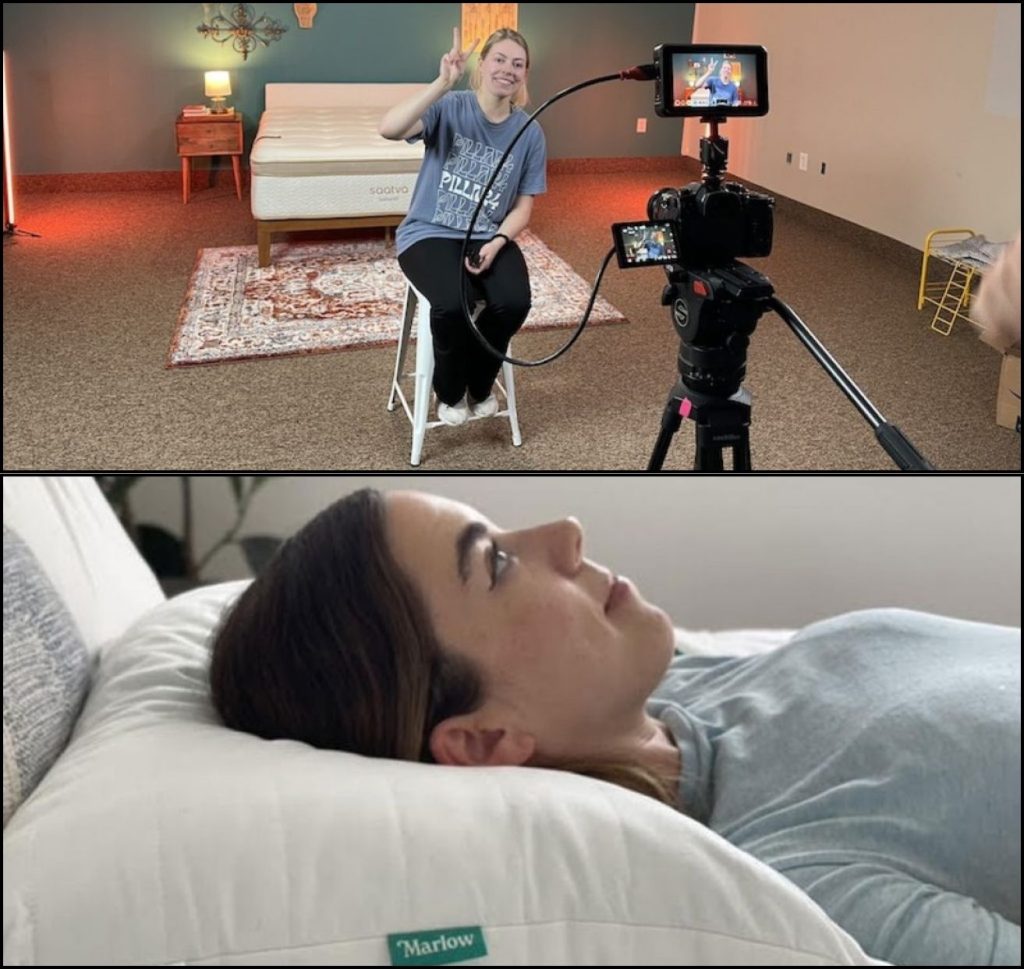
Selecting the right pillow is deeply personal, as our preferred sleeping positions significantly influence what offers optimal support and comfort. What works wonders for a side sleeper might be detrimental to a back or stomach sleeper. Understanding how your body rests during sleep is the crucial next step in pinpointing the pillow that will best align your spine and prevent discomfort.This section will guide you through choosing the ideal pillow based on your primary sleeping posture, ensuring a neutral spinal alignment and minimizing strain on your neck and shoulders.
Side Sleeper Pillow Selection
Side sleepers require a pillow that fills the gap between their head and shoulder, maintaining a straight line from their neck to their spine. The goal is to keep the head level with the body, preventing the neck from bending upwards or downwards.
For side sleepers, the ideal pillow characteristics are:
- Loft (Height): A medium to high loft is generally recommended. This means the pillow needs to be thick enough to support the head and neck. The exact height will depend on the width of your shoulders and the firmness of your mattress. A firmer mattress will cause you to sink less, requiring a higher loft pillow.
- Firmness: A medium-firm to firm pillow is usually best. This firmness prevents the head from sinking too deeply into the pillow, which would misalign the spine. The pillow needs to provide consistent support throughout the night.
The aim is to achieve a position where your head is aligned with your spine, not tilted up or down. Imagine a straight line running from the back of your head, down your neck, and along your spine. If you’re a side sleeper with broader shoulders, you’ll likely need a higher and firmer pillow than someone with narrower shoulders.
Back Sleeper Pillow Selection
Back sleepers need a pillow that supports the natural curve of their neck without pushing their head too far forward or allowing it to fall backward. The pillow should cradle the neck and provide even support for the head.
For back sleepers, consider the following:
- Loft (Height): A low to medium loft is typically suitable. The pillow should be thick enough to fill the space between the neck and the mattress, but not so thick that it juts the head forward.
- Firmness: A medium-firm pillow is often preferred. It needs to be soft enough to conform to the curve of the neck but firm enough to maintain that support. Some back sleepers find pillows with a contoured shape, featuring a dip for the head and a raised area for the neck, particularly beneficial.
The objective is to maintain the natural cervical lordosis (the inward curve of your neck). A pillow that is too high will force your chin towards your chest, while a pillow that is too flat will allow your head to fall back, both straining the neck. Some back sleepers also benefit from a small pillow placed under their knees to further alleviate lower back pressure.
Stomach Sleeper Pillow Selection
Stomach sleeping is often considered the least ideal position for spinal health due to the significant neck rotation required. If this is your primary position, the focus is on minimizing strain as much as possible, or exploring alternatives.
For stomach sleepers, the pillow recommendations are:
- Loft (Height): A very low loft or no pillow at all is often recommended. The goal is to keep the head as close to the mattress surface as possible to reduce the degree of neck rotation. A thick pillow would force the neck into an extreme angle.
- Firmness: A soft pillow is generally preferred if a pillow is used. This allows the head to sink in slightly, further reducing strain.
However, it is important to note that even with the best pillow, stomach sleeping can still put considerable stress on the neck and spine. For those who struggle to change their sleeping position, placing a thin pillow under the pelvis can help maintain a more neutral spinal alignment. If neck pain is a concern, actively trying to transition to side or back sleeping is highly advisable.
Many people find that using a body pillow can aid in this transition by providing support and comfort in new positions.
Exploring Pillow Materials and Their Benefits for Neck Support
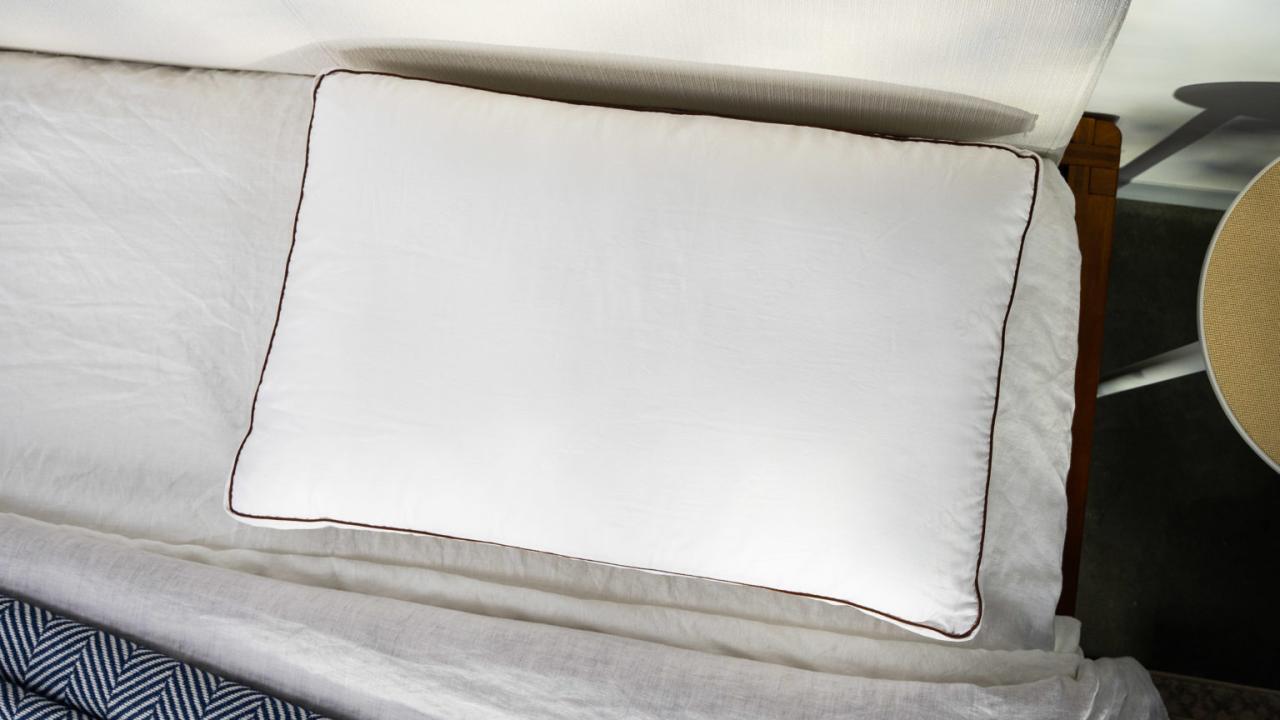
The choice of pillow filling is a crucial factor in achieving both optimal neck support and a comfortable night’s sleep. Different materials possess unique properties that directly influence how well a pillow cradles your head and neck, promoting proper spinal alignment and reducing pressure points. Understanding these distinctions will empower you to make an informed decision that aligns with your personal comfort preferences and specific needs for pain prevention.Each pillow material offers a distinct experience in terms of feel, support, and temperature regulation.
The ideal material will depend on your sleeping position, body weight, and any sensitivities you may have. By delving into the characteristics of common pillow fillings, you can better assess which option will best contribute to a restful and pain-free sleep.
Comparison of Pillow Filling Materials
To effectively select a pillow that supports your neck and enhances sleep quality, it is beneficial to compare and contrast the most prevalent filling materials. Each material offers a unique combination of firmness, responsiveness, and breathability, directly impacting its suitability for different individuals and sleeping needs.
- Memory Foam: Known for its ability to contour precisely to the shape of your head and neck, memory foam offers excellent pressure relief and personalized support. Its density provides a stable foundation, which can be particularly beneficial for those who need significant neck alignment. However, some types of memory foam can retain heat, leading to a warmer sleep experience.
- Down: Often considered the epitome of luxury, down pillows are filled with the soft undercoating of geese or ducks. They are exceptionally soft and malleable, allowing for easy adjustment to find a comfortable position. While offering a plush feel, down pillows may lack the consistent support needed for individuals with significant neck pain, and their loft can compress over time.
- Latex: Derived from rubber trees, latex pillows are celebrated for their natural responsiveness, durability, and breathability. They offer a buoyant yet supportive feel, returning to their original shape quickly after pressure is removed. Latex is also naturally hypoallergenic and resistant to dust mites and mold, making it an excellent choice for allergy sufferers. Its density provides consistent support without the “sinking” feeling of some other materials.
- Polyester: A widely available and affordable synthetic fiber, polyester fill is known for its softness and lightweight nature. It can mimic the feel of down but generally offers less durability and support over time. Polyester pillows are easy to clean and maintain but tend to flatten and clump with regular use, reducing their effectiveness in providing consistent neck support.
Material Properties and Their Impact on Neck Support and Comfort
The inherent properties of pillow filling materials directly translate into their effectiveness in supporting the neck and enhancing overall comfort. Factors such as responsiveness, breathability, and density play a significant role in how a pillow interacts with your anatomy during sleep.
| Material | Key Properties | Impact on Neck Support & Comfort |
|---|---|---|
| Memory Foam | Viscoelastic, slow recovery, high density | Excellent contouring and pressure relief, promotes spinal alignment. Can feel warmer due to lower breathability. |
| Down | Soft, light, compressible, low density | Plush and moldable for personalized comfort. May offer insufficient support for some, and loft can decrease with use. |
| Latex | Responsive, buoyant, breathable, medium to high density | Consistent and supportive cradling, excellent pressure distribution, and good airflow. Naturally hypoallergenic. |
| Polyester | Soft, lightweight, variable density | Offers initial softness and affordability. Support can degrade over time as it flattens and clumps. |
Hypoallergenic Qualities of Pillow Materials
For individuals prone to allergies or sensitivities, the hypoallergenic properties of pillow materials are a critical consideration. Certain fillings are naturally resistant to allergens or can be treated to minimize allergen accumulation, contributing to a healthier sleep environment.
- Latex: Naturally resistant to dust mites, mold, and mildew, latex is an excellent choice for allergy sufferers. Its dense structure makes it difficult for these allergens to penetrate and thrive.
- Memory Foam: While not inherently hypoallergenic, many memory foam pillows are manufactured with hypoallergenic covers and can be treated to resist dust mites and mold. Their dense structure also makes it harder for allergens to accumulate within the core.
- Polyester: Generally considered hypoallergenic, polyester fill is less likely to harbor dust mites and other common allergens compared to natural fillings like down. It is also easier to wash and maintain, which aids in allergen control.
- Down: Down pillows, especially those not treated or encased properly, can be a haven for dust mites and other allergens. For those with sensitivities, it is crucial to opt for down pillows with tightly woven casings and to use hypoallergenic pillow protectors.
Considerations for Pillow Durability and Longevity
The durability of a pillow is directly linked to its material composition and how well it maintains its shape and supportive qualities over time. Investing in a pillow made from a durable material can ensure consistent neck support and comfort for an extended period, offering better long-term value.
- Latex: Known for its exceptional resilience and longevity, latex pillows can last for many years, often a decade or more, without significant loss of support or shape. Their natural resistance to wear and tear contributes to their extended lifespan.
- Memory Foam: High-density memory foam pillows tend to be more durable than lower-density options. While they may eventually show signs of compression, quality memory foam can maintain its supportive properties for several years.
- Polyester: Polyester pillows are generally the least durable among the common options. They tend to flatten and lose their loft and support relatively quickly, often requiring replacement within one to three years depending on usage and quality.
- Down: The longevity of down pillows can vary. While the down itself can last a long time, the pillow’s loft and supportive structure can degrade as the down clumps and compresses over time, typically requiring replenishment or replacement within a few years.
Practical Steps for Pillow Selection and Trial
Selecting the right pillow for neck pain relief and improved sleep is a journey that involves thoughtful consideration and personal evaluation. This section will guide you through the essential steps to ensure you make an informed decision, from pre-purchase preparation to post-purchase assessment. By following these practical strategies, you can confidently find a pillow that supports your unique needs.The process of choosing a pillow can feel overwhelming with so many options available.
However, by approaching it systematically, you can streamline the selection process and increase your chances of finding the perfect match for your neck health and sleep quality.
Pre-Purchase Pillow Selection Checklist
Before you even begin browsing in stores or online, taking a moment to reflect on your personal needs and preferences is crucial. This self-assessment will help you narrow down your choices and focus on pillows that are most likely to provide the relief and support you require.A well-prepared buyer is an empowered buyer. By asking yourself the right questions, you can articulate your needs more clearly to sales associates and make more informed decisions when faced with numerous options.
- What is my primary sleeping position (side, back, stomach)?
- Do I experience neck pain, stiffness, or headaches upon waking? If so, where is the pain located?
- What is my body type and weight, as this can influence the required loft and firmness?
- Are there any specific material preferences or allergies I need to consider (e.g., latex, memory foam, down, synthetic)?
- What is my budget for a new pillow?
- What is the return policy of the retailer, especially for pillows that are used?
In-Store Pillow Testing for Loft and Firmness
Visiting a physical store allows you to directly interact with potential pillows, providing valuable tactile feedback. Testing a pillow properly in-store can significantly improve your chances of finding one that offers adequate support and comfort for your neck.The goal of in-store testing is to simulate your sleeping experience as closely as possible. This involves not just touching the pillow but actively using it in a way that reflects how you would sleep.
To effectively test a pillow in-store:
- Bring your pillowcase: If possible, bring a pillowcase from home to use on the display pillow. This will give you a more familiar feel and ensure better hygiene.
- Assume your typical sleeping position: Lie down on a display bed or a comfortable surface. If you are a side sleeper, ensure your head and neck are aligned with your spine. If you are a back sleeper, your head should be supported without being pushed too far forward. For stomach sleepers, try to find a pillow that allows your head to rest comfortably without straining your neck.
- Check for proper alignment: With your head on the pillow, ask yourself if your neck feels neutral and supported. Your spine should form a relatively straight line from your head to your shoulders. There should be no significant gaps between your neck and the pillow, nor should your head be forced into an unnatural position.
- Assess firmness: Gently press down on the pillow with your hand. Does it feel too soft, offering no resistance? Or is it too firm, creating pressure points? The ideal firmness will provide cushioning without excessive sinking or stiffness.
- Evaluate loft (height): The loft should be sufficient to fill the space between your head and shoulder, maintaining spinal alignment. For side sleepers, a higher loft is typically needed than for back or stomach sleepers.
- Consider breathability: If possible, notice if the material feels breathable or if it traps heat.
At-Home Pillow Trial Period Strategies
While in-store testing provides an initial assessment, the true test of a pillow’s effectiveness for neck pain relief and sleep quality happens in the comfort of your own home. A trial period allows your body to adjust and reveal whether the pillow truly meets your needs over consecutive nights.Many reputable retailers offer trial periods for pillows, recognizing that it can take time to determine if a pillow is the right fit.
Utilizing these trial periods effectively can save you money and discomfort in the long run.
To make the most of your at-home pillow trial:
- Commit to a minimum trial duration: Most experts recommend at least a week to ten days. Your body needs time to adapt to a new sleeping surface, and subtle issues may not be apparent on the first or second night.
- Use the pillow consistently: Sleep on the new pillow every night during the trial period, even if you have a slight initial discomfort. This allows for a fair assessment of its long-term benefits.
- Monitor your symptoms: Keep a simple journal or make mental notes of how you feel upon waking. Are your neck pain or stiffness reduced? Do you wake up feeling more refreshed? Are there any new discomforts?
- Test different sleeping positions: If you are a combination sleeper, pay attention to how the pillow supports you in each position you adopt during the night.
- Understand the return policy: Before the trial period ends, ensure you are fully aware of the return process, any associated fees, and the deadline for returns.
When to Consider Replacing an Old Pillow
Pillows, like all bedding items, have a lifespan. Over time, they lose their supportive qualities, which can contribute to neck pain and disrupt sleep. Recognizing the signs that indicate it’s time for a replacement is crucial for maintaining optimal neck support.The gradual degradation of a pillow’s structure is often subtle, making it easy to overlook. However, consistent use and the natural wear and tear of materials mean that even a once-perfect pillow will eventually need to be retired.
You should consider replacing your pillow when you notice any of the following:
- Visible signs of wear: If your pillow is lumpy, flattened, or has lost its shape, it is no longer providing adequate support.
- Constant fluffing required: If you find yourself constantly having to punch and reshape your pillow to achieve any semblance of comfort or support, it’s a clear sign of diminished loft and structure.
- Aches and pains upon waking: If you consistently wake up with neck pain, stiffness, or headaches, and you’ve ruled out other causes, your pillow is a likely culprit.
- Allergies or respiratory issues: Over time, pillows can accumulate dust mites, allergens, and dead skin cells. If you’ve noticed an increase in sneezing, coughing, or other allergy symptoms, it’s time for a fresh start.
- The pillow is over two years old: As a general guideline, most pillows should be replaced every 18 to 24 months, depending on the material and how often it’s used.
Additional Factors Influencing Pillow Effectiveness
While the core features of a pillow, its type, material, and suitability for your sleeping position are paramount, several other factors can significantly impact its effectiveness in preventing neck pain and enhancing sleep quality. Considering these elements can lead to a more holistic and successful pillow selection process.
Mattress Firmness and Pillow Selection
The firmness of your mattress plays a crucial role in how your head and neck are supported, and consequently, how your pillow should be chosen. A mattress that is too soft can cause your body to sink too deeply, misaligning your spine. Conversely, a mattress that is too firm may not allow for adequate contouring, leading to pressure points.The interaction between your mattress and pillow is vital for maintaining neutral spinal alignment.
- Soft Mattresses: On a softer mattress, your body will naturally sink more. This means you might need a thinner or softer pillow to prevent your head from being pushed too high, which can strain your neck. The goal is to ensure your head remains in line with the rest of your spine.
- Medium Mattresses: These offer a balance of support and contouring. Pillow selection will depend more on your sleeping position and personal preference, aiming to fill the natural gap between your head and the mattress without over or under-filling it.
- Firm Mattresses: With a firm mattress, there’s less sinking. This often necessitates a thicker or firmer pillow to provide the necessary loft and support to keep your head and neck elevated to the correct height, preventing your head from falling downwards and straining your neck.
Ultimately, the combined effect of your mattress and pillow should create a straight, neutral line from your head to your tailbone when you are in your usual sleeping position.
Pillow Protectors and Their Impact
Pillow protectors are often overlooked but serve essential functions that contribute to both pillow performance and hygiene, indirectly influencing neck comfort and sleep quality. They act as a barrier against various elements that can degrade the pillow over time.Pillow protectors enhance hygiene and extend the lifespan of your pillow, contributing to consistent support.
- Hygiene: Protectors shield your pillow from sweat, body oils, saliva, dust mites, and allergens. Regular washing of the protector is much easier and more effective than cleaning the entire pillow, which can be difficult and may damage the filling. This leads to a cleaner sleeping surface, reducing potential irritants that could disrupt sleep.
- Durability: They prevent stains and moisture from reaching the pillow’s core, which can degrade the materials and affect their loft and supportiveness over time. A well-maintained pillow retains its intended shape and firmness for longer, ensuring consistent neck support.
- Allergen Control: For individuals with allergies or asthma, a good quality, allergen-resistant pillow protector can be a significant benefit, creating a healthier sleep environment.
Choosing a breathable yet waterproof protector ensures that the pillow remains clean and supportive without compromising comfort.
Adjustable Pillows for Personalized Support
The advent of adjustable pillows offers a highly personalized approach to neck support, allowing users to customize the loft and firmness to their exact needs. This adaptability is particularly beneficial for individuals whose needs may change or who struggle to find a perfect fit with traditional pillows.Adjustable pillows empower users to fine-tune their sleep setup for optimal neck alignment and comfort.Adjustable pillows typically work in one of two ways: either they contain removable internal layers or fillings, or they utilize an internal inflation system.
- Removable Fillings: These pillows allow you to add or remove stuffing, such as down, feathers, shredded foam, or fiberfill, to achieve your desired height and density. This is ideal for those who are unsure about their ideal pillow loft or who experience fluctuating neck pain.
- Inflation Systems: Some advanced adjustable pillows have internal air chambers that can be inflated or deflated using a small pump or valve, allowing for precise control over firmness and loft. This offers a dynamic way to adjust support throughout the night if needed.
The ability to make these adjustments means that an adjustable pillow can cater to different sleeping positions and evolving comfort preferences, making it a versatile solution for preventing neck pain.
Ergonomic Pillows and Wedges for Specific Conditions
For individuals experiencing specific neck conditions, such as whiplash, herniated discs, or chronic stiffness, standard pillows may not provide adequate targeted support. In such cases, specialized ergonomic pillows or wedges can offer therapeutic benefits.Ergonomic aids are designed to provide targeted support and promote healing for specific neck ailments.
- Cervical Pillows: These are often contoured to cradle the neck and support the natural curve of the cervical spine. They typically have a firmer, supportive core with a softer surface and are designed to maintain proper alignment, reducing pressure on the neck.
- Wedge Pillows: While often used for acid reflux, wedge pillows can also be beneficial for neck issues. By elevating the upper body, they can help maintain a neutral spine position and reduce strain on the cervical discs, especially for back sleepers. Some specialized wedges are designed with a dip in the center to accommodate the head and neck.
- Roller Pillows: These are cylindrical pillows that can be placed under the neck to provide direct support to the cervical curve, promoting relaxation and alignment. They are often used in conjunction with other pillows or for therapeutic purposes.
When considering these specialized options, it is always advisable to consult with a healthcare professional or a physical therapist. They can help diagnose the specific condition and recommend the most appropriate type of ergonomic pillow or wedge for your individual needs.
Creating an Optimal Sleep Environment for Neck Health
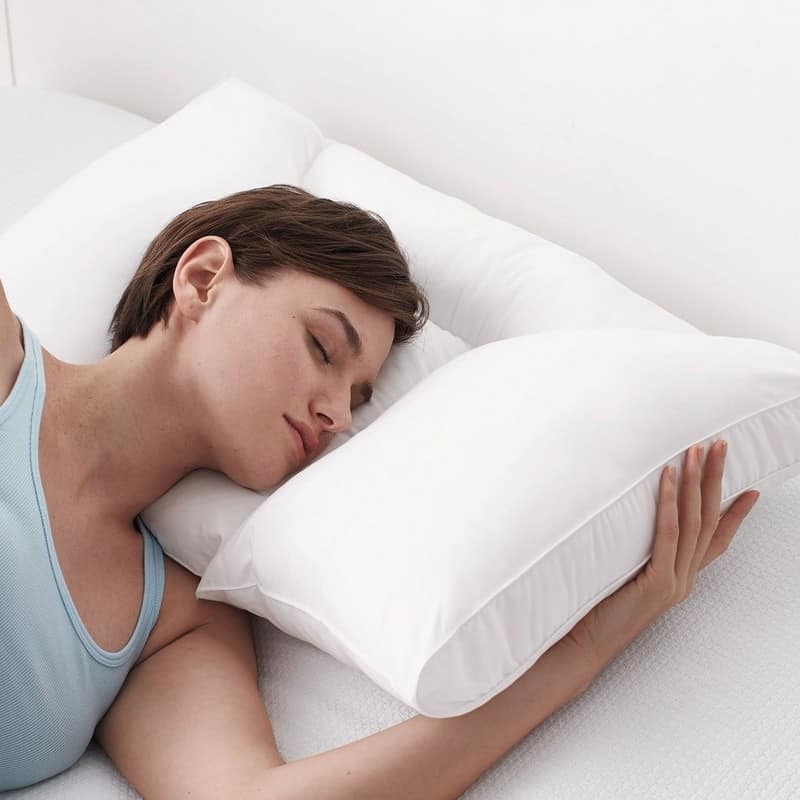
Beyond selecting the perfect pillow, cultivating a sleep environment that fosters deep rest is paramount for both overall well-being and the specific recovery of your neck. A well-designed sleep sanctuary minimizes distractions and promotes relaxation, allowing your body to fully repair and rejuvenate throughout the night. This comprehensive approach ensures that your efforts to prevent neck pain are supported by a truly restorative sleep experience.Establishing a sleep sanctuary involves a holistic consideration of various environmental factors that directly influence sleep quality and, consequently, neck comfort.
By consciously optimizing these elements, you can significantly enhance your ability to achieve restful sleep and wake up feeling refreshed and pain-free.
Establishing a Consistent Sleep Schedule
Adhering to a regular sleep-wake cycle is fundamental for regulating your body’s natural circadian rhythm, which plays a crucial role in sleep quality and recovery. This consistency signals to your brain when it’s time to wind down and when to be alert, promoting more efficient and restorative sleep. A disrupted schedule can lead to fragmented sleep, increased fatigue, and a heightened susceptibility to pain, including neck discomfort.The importance of a consistent sleep schedule can be understood through its impact on various physiological processes:
- Circadian Rhythm Regulation: A fixed bedtime and wake-up time help synchronize your internal body clock, leading to more predictable sleep patterns and improved sleep depth.
- Hormonal Balance: Consistent sleep supports the balanced release of hormones like melatonin (sleep-inducing) and cortisol (stress hormone), which are vital for recovery and pain management.
- Reduced Sleep Latency: Falling asleep becomes easier and quicker when your body is accustomed to a regular sleep routine.
- Enhanced Sleep Efficiency: You spend more time in deep, restorative sleep stages when your sleep schedule is consistent, allowing for better muscle repair and reduced inflammation.
For instance, individuals who maintain a regular sleep schedule, even on weekends, often report feeling more rested and experiencing fewer episodes of chronic pain compared to those with erratic sleep patterns.
Optimizing Room Temperature and Light Exposure
The physical environment of your bedroom has a direct impact on your ability to fall asleep and stay asleep, influencing muscle relaxation and overall comfort. Temperature and light are two of the most significant factors to control for creating an ideal sleep space that supports neck health.A cool, dark room is generally conducive to better sleep. Research indicates that a slight drop in body temperature is a natural signal for sleep onset.
Therefore, maintaining a slightly cooler room temperature can aid in initiating and maintaining sleep. Similarly, darkness is crucial as it stimulates melatonin production, the hormone that regulates sleep-wake cycles. Even small amounts of light can disrupt this process, leading to lighter, less restorative sleep.To create an optimal environment:
- Temperature: Aim for a room temperature between 60-67 degrees Fahrenheit (15-19 degrees Celsius). Experiment to find the precise temperature that feels most comfortable for you.
- Light: Ensure your bedroom is as dark as possible. Use blackout curtains or blinds to block external light. Consider an eye mask if complete darkness is not achievable.
- Minimize Blue Light Exposure: In the hours leading up to bedtime, reduce exposure to screens (phones, tablets, computers) as the blue light emitted can interfere with melatonin production.
For example, a study published in the Journal of Clinical Sleep Medicine found that participants sleeping in a dark room experienced significantly more deep sleep compared to those sleeping in a moderately lit room. This deeper sleep is essential for tissue repair and reducing muscular tension, which can alleviate neck pain.
Implementing Pre-Sleep Stretching and Relaxation Techniques
To further prepare your body and mind for restful sleep and to specifically ease any existing neck tension, incorporating simple stretching or relaxation techniques before bed can be highly beneficial. These practices help to release muscular tightness and promote a sense of calm, setting the stage for uninterrupted sleep and improved neck comfort.Gentle movements and mindfulness exercises can effectively reduce the physical and mental stress that often contributes to neck pain and sleep disturbances.
By dedicating a few minutes to these activities, you can signal to your body that it’s time to unwind and transition into a state of deep relaxation.Consider incorporating the following into your bedtime routine:
- Gentle Neck Stretches: Perform slow, controlled movements. Examples include chin tucks, ear-to-shoulder tilts (without forcing), and gentle rotations. Hold each stretch for 15-30 seconds, breathing deeply. Avoid any movements that cause sharp pain.
- Progressive Muscle Relaxation: This technique involves tensing and then releasing different muscle groups in your body. Starting with your toes and working your way up to your head, you systematically release physical tension, which can be particularly effective for releasing tightness in the neck and shoulders.
- Deep Breathing Exercises: Simple diaphragmatic breathing can calm the nervous system. Inhale deeply through your nose, allowing your abdomen to rise, and exhale slowly through your mouth. Focus on the sensation of your breath.
- Mindfulness or Meditation: Even a few minutes of focused meditation or simply paying attention to your breath can quiet a racing mind and reduce stress levels, making it easier to fall asleep.
For instance, individuals who regularly practice mindful stretching before bed often report a significant reduction in morning stiffness and neck pain. The consistent release of tension allows muscles to relax overnight, promoting better alignment and reducing the likelihood of waking up with discomfort.
Closing Summary
By understanding the nuances of pillow loft, firmness, shape, and material, you can make an informed choice that significantly enhances your sleep quality and banishes neck pain. Implementing the practical steps Artikeld will empower you to find the perfect pillow, transforming your nights and revitalizing your days.